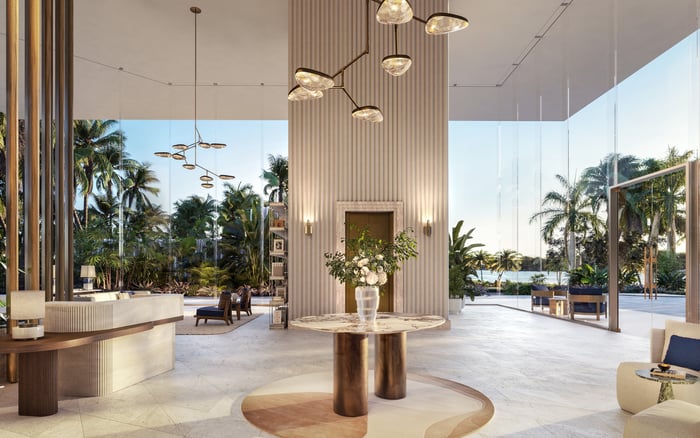
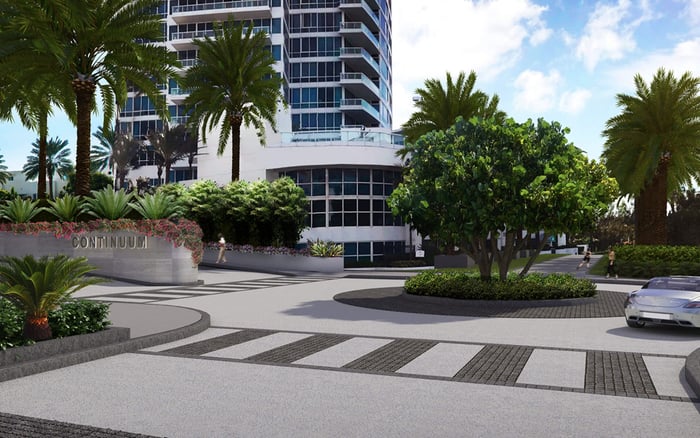
Miami Beach luxury buyers are increasingly evaluating condominiums by the ease, consistency, and hospitality-style support they bring to daily life, not only by visible amenities.
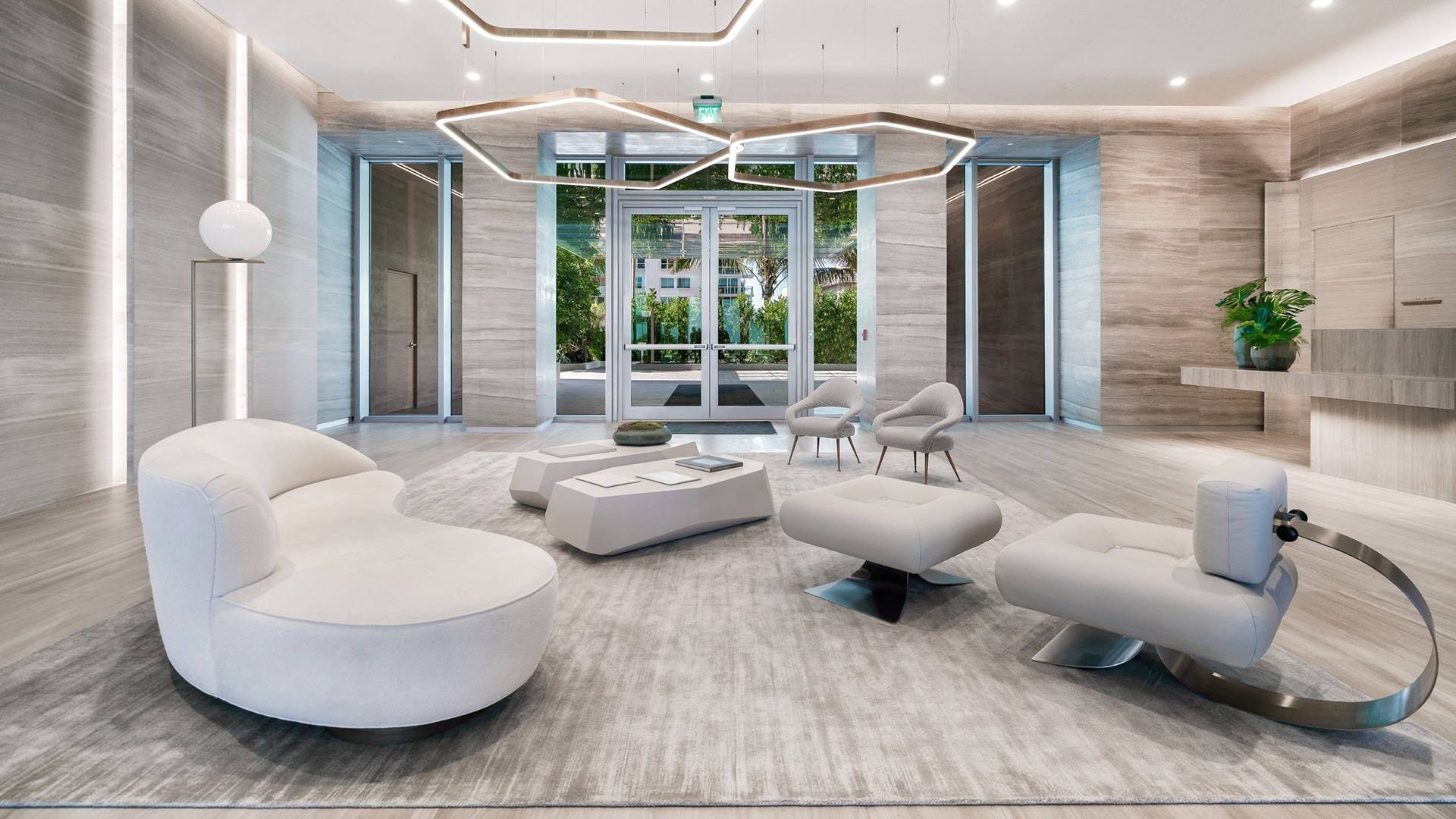
In Miami Beach, the language of luxury condominium living is becoming more operational, more personal, and more exacting. For years, buyers compared buildings through visible cues: sculptural lobbies, water views, pools, fitness spaces, and private arrival sequences. Those elements still matter, particularly at the upper end of the Miami Beach market. Yet the more sophisticated question now begins after the doors open.
Service depth is the integration of hospitality-style support into everyday residential life. It is not a longer amenity inventory. It is the promise that ownership feels low-friction, reliable, and quietly managed. For globally mobile residents, second-home owners, and time-constrained buyers, the premium is increasingly attached to consistency: a home that functions with the ease of a private resort, without compromising the privacy of a residence.
That is why 57 Ocean Miami Beach, Five Park Miami Beach, and Setai Residences Miami Beach offer a useful lens on current buyer demand. Each speaks to a different aspect of the same shift, from design-led residential luxury toward a fuller service-and-lifestyle proposition.
The phrase “full service” used to be sufficient shorthand. In today’s Miami Beach market, it requires closer reading. Buyers are not only asking whether a building has an impressive pool deck or a polished lobby. They are asking how the building works, how dependable the resident experience feels, and whether the property can support a lifestyle that often moves among cities, aircraft, private clubs, family schedules, and seasonal use.
Service depth is therefore about reliability as much as indulgence. It includes the sense that daily transitions are smoother, the residence can support entertaining and wellness routines, and the owner’s time is protected. The luxury is not always theatrical. Often, it is the absence of friction.
For Miami Beach, this is particularly important. The city attracts buyers who may use a residence as a primary home, a seasonal base, or a long-term lifestyle asset. In each case, the buyer wants more than a beautiful address. They want a residential environment that understands hospitality standards while preserving the discretion of private ownership.
57 Ocean Miami Beach fits into a broader conversation about the maturing definition of oceanfront luxury. In the previous cycle, architecture, interiors, and beachfront positioning could carry much of the narrative. Today, those qualities remain foundational, but they are increasingly measured against a service-and-lifestyle expectation.
The significance of 57 Ocean is not that buyers have stopped caring about design. It is that design is now evaluated alongside the lived experience it enables. A residence can be beautifully composed, but if ownership feels self-directed, fragmented, or overly dependent on the resident to coordinate every need, it may feel incomplete to the modern ultra-luxury buyer.
This distinction matters for oceanfront property in particular. The beach is no longer enough on its own. Buyers want the visual and emotional power of the coastline, but they also want a home that supports routines with grace. Wellness, privacy, convenience, and everyday service must feel integrated rather than appended.
Five Park Miami Beach illustrates how newer Miami Beach condominium concepts are moving beyond amenity lists toward a more curated, resort-like residential experience. The appeal is not simply the presence of shared spaces. It is the orchestration of those spaces into a lifestyle that feels intentional.
This is where buyer expectations have become more nuanced. A long list of features can impress at first glance, but affluent buyers increasingly ask whether the building has an underlying service philosophy. Will the environment feel seamless during peak season? Does it support residents who arrive for a few days and expect the property to operate with precision? Does it provide ease without feeling like a public hotel?
Five Park belongs to that conversation because it reflects the newer market emphasis on lifestyle support. The buyer is not purchasing a passive apartment in the sky. The buyer is selecting a residential ecosystem, one that aims to reduce daily complexity while amplifying the pleasures of being in Miami Beach.
Setai Residences Miami Beach represents the clearest expression of the crossover between private residential living and hospitality expectations. In the ultra-luxury segment, this crossover has become central to how buyers evaluate value. They are drawn to the idea that a residence can offer the privacy of ownership while reflecting the service standards associated with high-end travel.
That does not mean every buyer wants a hotel experience at home. In fact, many want the opposite: privacy, calm, and control. The attraction is the infrastructure of hospitality, not the feeling of transience. The most compelling residential service models bring support close enough to matter and discreet enough not to intrude.
For Miami Beach buyers, that balance is especially powerful. The city’s luxury identity has long been shaped by resort culture, international travel, and design. The current residential market refines that identity into something more permanent. It says a home can function like a private sanctuary while still benefiting from the reliability and polish of hospitality operations.
Service depth is becoming a marker of resilience in the luxury condominium market. Amenities can age. A dramatic space can become familiar. A fashionable concept can lose novelty. Operational quality, by contrast, compounds over time when executed well. Residents feel it in the ease of arrival, the handling of daily needs, the consistency of common spaces, and the overall rhythm of the building.
This is why the comparison among 57 Ocean, Five Park, and Setai Residences is larger than three individual addresses. Together, they show how Miami Beach condominiums are being positioned as private-resort-style homes rather than traditional self-directed residences. The buyer is no longer simply asking, “What does the building have?” The more revealing question is, “How does the building live?”
That shift also changes the way buyers evaluate value. Architecture and views remain essential, especially along the water. But service depth can distinguish properties that otherwise compete within the same visual language of glass, terraces, pools, and wellness spaces. In a market where many projects understand design, operations become the quieter differentiator.
For buyers, the practical approach is to separate physical amenities from recurring service delivery. A pool, lounge, or fitness space is tangible and easy to tour. Service depth is more subtle. It appears in consistency, staffing culture, resident communication, privacy protocols, and the way a building anticipates needs before they become burdens.
Buyers should also consider how they will actually use the residence. A seasonal owner may value a building that makes arrivals and departures feel effortless. A primary resident may prioritize daily reliability. A global buyer may care about whether the property supports a lifestyle that can shift quickly from family time to entertaining to quiet retreat.
In this context, Miami Beach remains one of South Florida’s most instructive luxury markets. Its buyers have the means to choose beauty almost anywhere. What they increasingly reward is beauty with structure, support, and confidence.
What does service depth mean in a Miami Beach condominium? It means hospitality-style support is integrated into everyday residential life, not merely offered as a list of amenities.
Why are buyers paying more attention to service depth? Many luxury buyers are globally mobile and time-constrained, so they value low-friction ownership and dependable daily support.
How is service depth different from amenities? Amenities are physical features, while service depth is the ongoing operational quality that makes those features and the residence easier to use.
Why is 57 Ocean Miami Beach relevant to this trend? 57 Ocean Miami Beach reflects the broader shift from design-led luxury toward a fuller service-and-lifestyle proposition.
What does Five Park Miami Beach show about newer development? Five Park Miami Beach helps illustrate demand for curated, resort-like residential living rather than a simple checklist of features.
Why is Setai Residences Miami Beach an important case study? Setai Residences Miami Beach highlights the crossover between private residential ownership and hospitality-level expectations.
Does service depth replace architecture and views? No. Architecture and views remain vital, but buyers increasingly expect them to be matched by convenience and operational polish.
Is this trend limited to second-home buyers? No. Primary residents, seasonal owners, and international buyers can all benefit from a more seamless residential model.
Why does this matter in Miami Beach specifically? Miami Beach combines resort culture, waterfront living, and global demand, making service quality a key point of differentiation.
How should buyers compare service-oriented buildings? They should look beyond visible spaces and consider how consistently the property supports privacy, convenience, and daily life.
For a confidential assessment and a building-by-building shortlist, connect with MILLION.
If branded residences are on your mind — as a home or as an allocation — we would be glad to share what we are seeing, privately.
Begin a quiet conversation