A discreet guide for luxury buyers evaluating South Florida residences through the lens of Miami Grand Prix demand, private aviation access, and ground-level control.
For many South Florida buyers, the Miami Grand Prix is more than a sporting weekend. It is a stress test for lifestyle infrastructure. The strongest residence is not simply the one with the most dramatic view, the largest terrace, or the most recognizable brand. Around a major F1 moment, the more revealing question is whether the home supports controlled arrival, efficient ground movement, discreet guest hosting, and a clean return to privacy once the social calendar quiets.
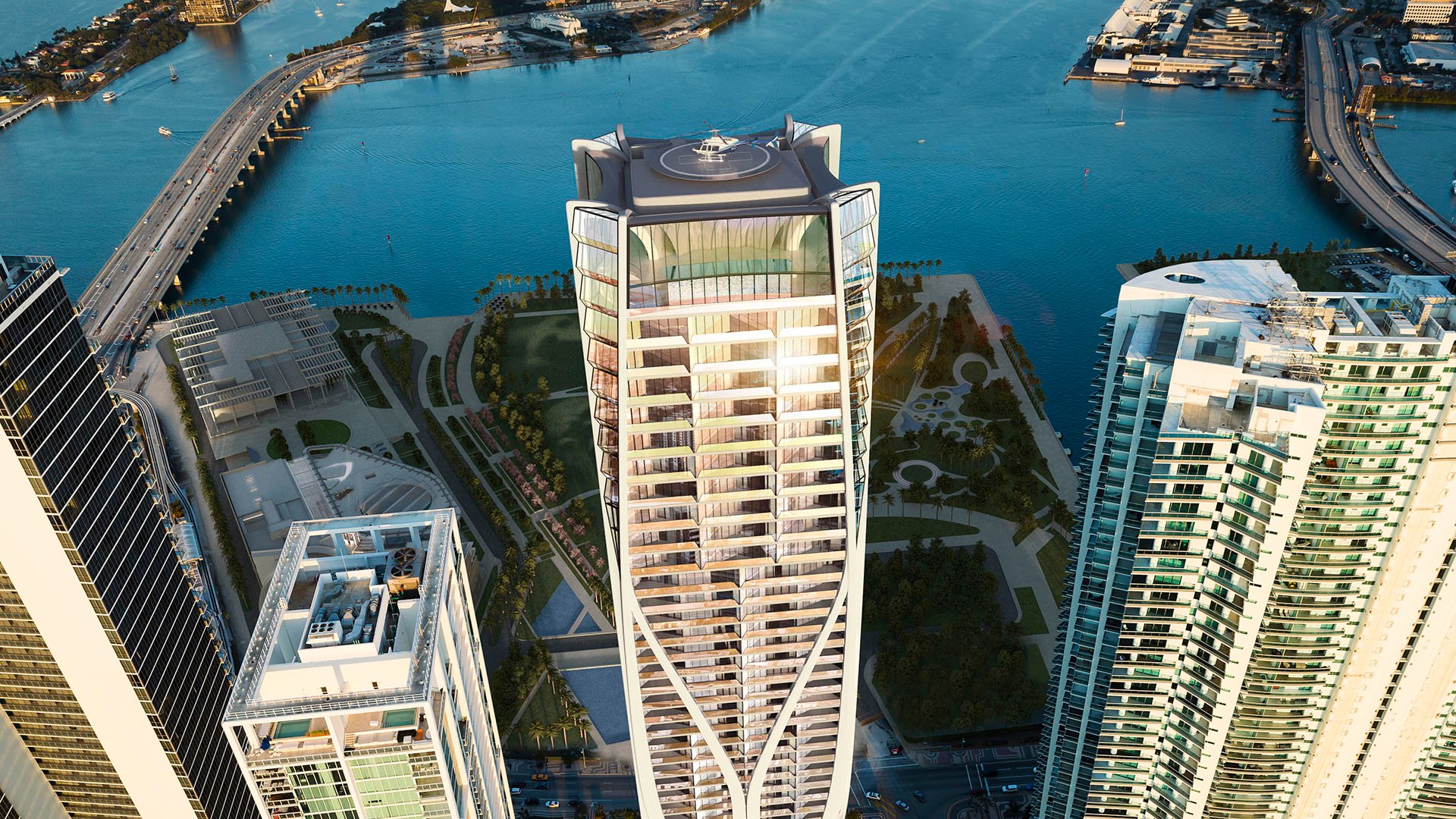
Private aviation access changes the lens. A buyer arriving by private aircraft is not only measuring distance. They are evaluating timing, security, congestion, staff coordination, luggage handling, vehicle staging, and how seamlessly a building absorbs high-demand days. In this context, a waterfront penthouse, a Brickell tower, a Miami Beach address, or a Fort Lauderdale residence may each be compelling for different reasons.
The most sophisticated buyers treat aviation access as part of the property’s operating system. It belongs in the same conversation as parking, elevators, service corridors, storage, staff protocols, and the ability to host guests without compromising the household’s sense of calm.
Aviation access is rarely a simple yes-or-no criterion. It is a hierarchy of tolerances. Some owners prioritize the shortest possible ground transfer. Others prefer a quieter arrival pattern, even if the drive is longer. Families may care about predictable routines for children, pets, and household staff. Collectors may focus on the secure movement of luggage, wardrobe, equipment, or event materials.
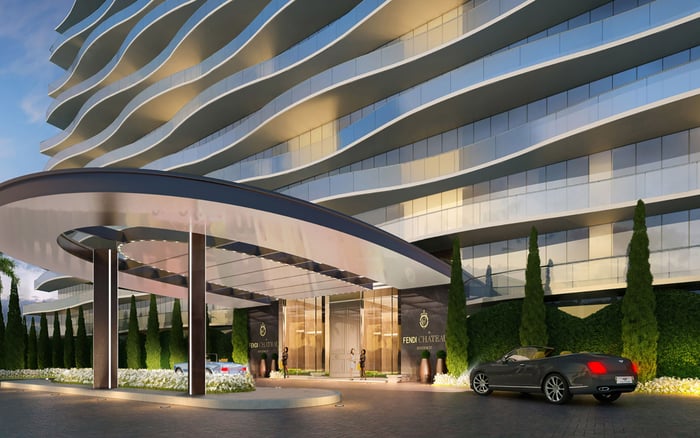
During a major race weekend, the difference between an elegant plan and a frustrating one often appears at ground level. Can cars be staged without drawing attention? Is there room for multiple vehicles? Does the building have a staff culture that understands privacy? Are guest arrivals handled gracefully, or does every visitor create friction at the front desk?
In luxury real estate, private aviation access should be evaluated alongside building operations. A beautifully designed residence can feel less practical if arrivals are exposed, service loading is awkward, or the elevator sequence is overly public. Conversely, a well-run building can make a high-profile weekend feel remarkably composed.
Brickell appeals to buyers who want an urban base with restaurants, offices, private clubs, and financial district energy close at hand. The tradeoff is that the buyer must be intentional about vertical living, garage access, valet depth, and elevator privacy. Residences such as The Residences at 1428 Brickell speak to the buyer who wants a refined city address while still demanding a residence that feels like a controlled private environment.
Miami Beach reads differently. It is often chosen for its resort atmosphere, beach proximity, and ability to host guests in a setting that feels removed from the mainland pace. For Grand Prix visitors, the appeal is not only leisure. It is the ability to extend an event weekend into a longer stay built around wellness, dining, and waterfront living. A project like The Perigon Miami Beach fits the buyer who wants architecture, water, and privacy to carry equal weight.
Sunny Isles Beach serves buyers who prefer a more residential oceanfront rhythm while remaining connected to the broader South Florida map. It can suit those who want height, views, larger residences, and a quieter daily cadence after the intensity of an F1 weekend. Bentley Residences Sunny Isles is a natural reference point for buyers considering automotive culture, design identity, and the choreography between residence and vehicle.
Fort Lauderdale is increasingly relevant for buyers who view South Florida as a region rather than a single-city purchase. Its value proposition is not only lifestyle, but flexibility. Waterfront ownership, marina culture, and a different rhythm of movement can be attractive for owners who want access without living at the center of Miami’s highest-demand moments. St. Regis® Residences Bahia Mar Fort Lauderdale belongs in that conversation for buyers who want branded service and coastal presence in the same frame.
Private aviation access should be discussed before the buyer falls in love with finishes. The first question is not, “How close is it?” It is, “How does this address function when everyone else is also trying to move?” That distinction matters.
Ask how the building handles peak arrivals. Ask whether valet, security, and concierge teams have experience with high-profile guests. Ask where vehicles wait, how luggage is transferred, and whether staff can coordinate multiple arrivals without turning the lobby into a spectacle. For a second-home buyer, also ask what happens when the principal is absent. A residence should operate smoothly for family members, assistants, pilots, drivers, and invited guests.
Parking deserves more attention than it usually receives. For buyers with significant automotive interests, parking is not a utility; it is part of the lifestyle. The same is true of storage. Race-weekend wardrobes, hospitality materials, children’s equipment, and guest luggage all require space. The residence may be immaculate, but the weekend will feel improvised if the back-of-house plan is weak.
Privacy is the final filter. Some buyers want visibility, especially during a marquee social weekend. Others want the ability to disappear. The correct building depends on which kind of owner you are.
The Miami Grand Prix may sharpen the question, but it should not be the only reason to buy. A strong purchase must work in ordinary weeks as well as extraordinary ones. The residence should support daily rituals, family use, entertaining, wellness, work, and seasonal guests. Private aviation access is most valuable when it complements an already coherent lifestyle.
Buyers should avoid over-indexing on a single weekend. Instead, use the event as a revealing scenario. If the home functions beautifully when demand is high, it is likely to feel even better when the calendar quiets. If it feels strained during peak moments, the same weakness may appear during holidays, art weeks, boat shows, and major social weekends.
In South Florida, the premium buyer is often purchasing optionality. The option to arrive late and still feel composed. The option to host without overexposing the household. The option to move between city, ocean, and private settings without surrendering control. That is the real connection between F1, private aviation, and luxury residential value.
Does private aviation access change which neighborhood I should consider? Yes. It can shift attention from simple distance to how smoothly a neighborhood handles arrival, departure, privacy, and ground movement.
Is the closest residence always the best choice for Miami Grand Prix week? Not necessarily. A slightly farther address may feel better if it offers calmer circulation, stronger building operations, and greater privacy.
Should buyers prioritize Brickell for an F1 lifestyle? Brickell can suit buyers who want an urban base with dining, business access, and vertical convenience, but operations and parking should be carefully reviewed.
Why does Miami Beach remain attractive during major event weekends? Miami Beach offers a resort-like setting where race-related travel can be paired with leisure, wellness, entertaining, and oceanfront living.
How does Sunny Isles Beach fit this type of buyer? Sunny Isles Beach may appeal to buyers seeking oceanfront scale, views, and a more residential cadence after high-energy event programming.
Can Fort Lauderdale make sense for Miami Grand Prix buyers? Yes. Fort Lauderdale can be compelling for buyers who value regional flexibility, coastal living, and a different pace within South Florida.
What building features matter most for private arrivals? Valet capacity, discreet entry, elevator flow, staff coordination, secure storage, and guest management are all important.
Should I ask about service areas before buying? Absolutely. Service corridors, loading zones, and back-of-house procedures often determine whether a high-demand weekend feels effortless.
Is waterfront ownership always better for this lifestyle? Waterfront ownership can be highly desirable, but the better choice depends on privacy, building quality, ground logistics, and personal routine.
Should the Miami Grand Prix be the main reason to buy? No. It should be used as a planning lens, while the final purchase should work beautifully throughout the year.
For a confidential assessment and a building-by-building shortlist, connect with MILLION.
If branded residences are on your mind — as a home or as an allocation — we would be glad to share what we are seeing, privately.
Begin a quiet conversation