A discreet, practical guide for Houston families evaluating Miami Beach and South Florida residences through the lens of household logistics, daily rhythm, privacy, schools, staff, pets, and service access.
For a Houston family considering Miami Beach, the most elegant purchase is often the one that feels effortless on a Tuesday morning. The view matters. The architecture matters. But the true test of a South Florida home is whether it supports the quiet choreography of daily life: school runs, staff arrivals, dog walks, deliveries, appointments, workouts, dining, boating, airport days, and the recurring small errands that determine whether a home feels serene or overextended.
Houston buyers are often accustomed to a different residential scale. In South Florida, especially near the water, the decision is less about raw square footage and more about precision. A beautifully planned condominium, a villa-style residence, or a managed estate environment can work superbly when the household logistics are understood before the search becomes emotional.
The strongest approach is to draw a private household map. Where will children be during the week? Who comes to the home daily or weekly? How often do guests stay? Are there pets, drivers, nannies, chefs, yacht crew, security consultants, trainers, or medical specialists in the property’s rhythm? Once those answers are clear, the right neighborhood begins to reveal itself.
Miami Beach is seductive because it concentrates so many luxury cues in one place: ocean proximity, established residential enclaves, wellness culture, dining, design, and the sense that a day can move from sand to salon to dinner with very little ceremony. For many relocations, it is the emotional center of the search.
Yet a logistics-first buyer should test Miami Beach by routine, not postcard. If the household expects frequent mainland commitments, children moving in different directions, regular staff movement, or a high cadence of appointments, the chosen address must be evaluated for friction. The question is not whether the home is beautiful. It is whether the household can repeat its week gracefully.
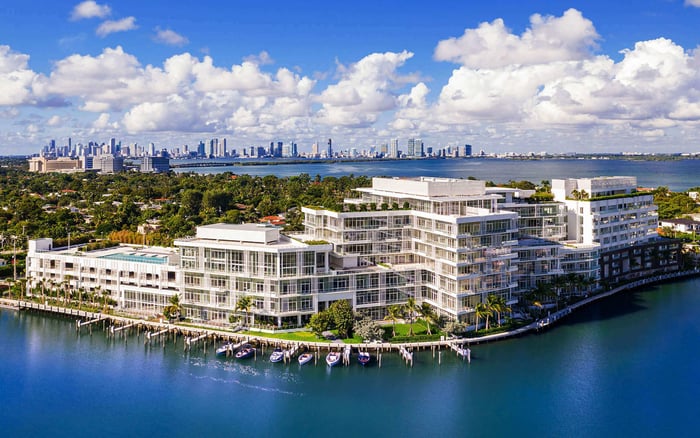
A residence such as The Perigon Miami Beach may enter the conversation for buyers who want a Miami Beach address with a refined residential identity. The practical review should still include arrival sequence, privacy at drop-off, service access, guest flow, pet routine, and how the building experience will feel during peak social weeks.
Houston families often begin by comparing condominiums and single-family homes as if the question were simply space versus convenience. In South Florida, the more useful comparison is managed service versus private autonomy.
A full-service condominium can simplify life for a household that values lock-and-leave ease, amenity access, valet, reception, package handling, and a more contained maintenance burden. It can also introduce rules that matter: elevator reservations, pet policies, contractor protocols, guest registration, and delivery procedures. None of these are negative. They are simply part of the operating system.
A single-family home can offer greater independence, more control over arrivals, private outdoor areas, and a familiar residential cadence. It also places more operational responsibility on the owner. Landscaping, security, exterior maintenance, storm preparation, pool care, vendor coordination, and staffing infrastructure become part of the ownership experience.
The best choice depends on how the household actually lives. A couple dividing time among several homes may prefer the discipline of vertical service. A family with multiple children, dogs, staff, and frequent entertaining may prefer autonomy, provided the location supports it.
For families, the home search should not begin with a favorite building. It should begin with the weekly calendar. A private-school decision, tutoring schedule, sports commitments, wellness appointments, and extended family visits can define the most suitable radius long before finishes and floor plans enter the conversation.
Staff logistics deserve equal attention. A residence that is magnificent for the owners may be awkward if a housekeeper, chef, driver, assistant, or caregiver cannot arrive easily, park appropriately, access service areas, or move through the home discreetly. Luxury becomes visible in these invisible details.
Brickell can be compelling for buyers whose professional, dining, and urban rhythm is centered around the mainland. St. Regis® Residences Brickell is the type of address that invites a different logistical question than Miami Beach: can the household benefit from a more vertical, city-connected routine while still preserving calm at home?
Not every Houston-to-South Florida move needs to resolve in Miami Beach. Some buyers discover that a slightly different neighborhood language better supports the household.
Coconut Grove may appeal to those who want a more gardened, residential feel while staying connected to a sophisticated daily routine. A project such as Four Seasons Residences Coconut Grove fits naturally into conversations about privacy, service, and a softer neighborhood cadence.
Bal Harbour is often considered by buyers who want a polished, coastal atmosphere with a more composed residential posture. Rivage Bal Harbour may suit a buyer weighing beachfront elegance against the practical demands of guest arrival, staff coordination, and daily discretion.
Bay Harbor Islands can be attractive to households seeking a quieter, village-like feel near the beach lifestyle without insisting on the most visible address. The Well Bay Harbor Islands belongs in a logistics conversation for buyers who want wellness, calm, and neighborhood scale to be part of the home’s operating logic.
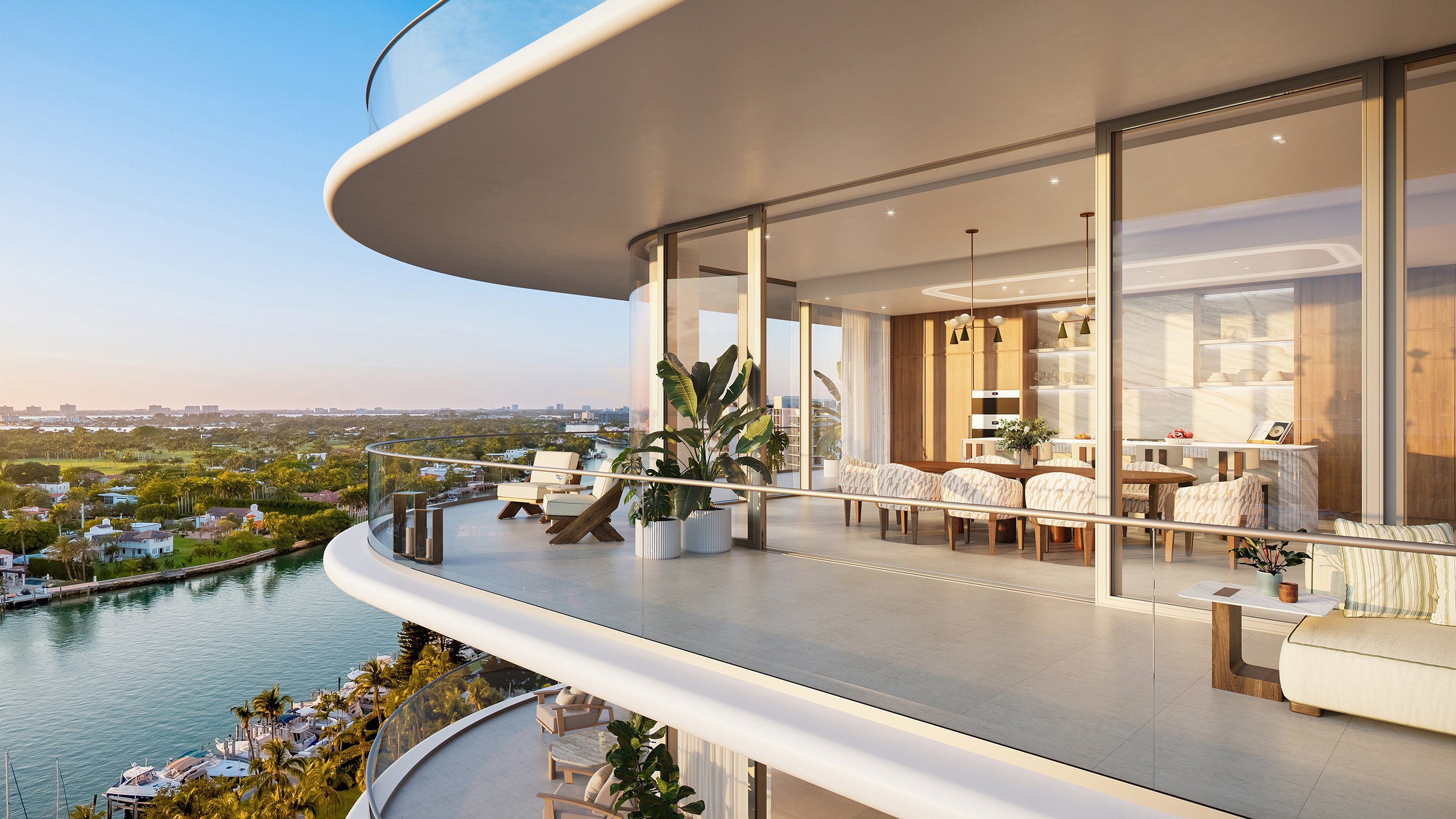
A water view is never just aesthetic. It affects light, privacy, breeze, maintenance expectations, outdoor use, and the way a household entertains. If boating is part of the lifestyle, marina access and storage questions should be separated from the glamour of the view. The right arrangement is the one that supports spontaneous use without making the home feel like a second office for coordination.
Buyers should also consider how outdoor areas will be used in real life. A terrace that looks cinematic may not serve breakfast, pets, children, or evening guests as well as a smaller but better-proportioned space. The same applies to private pools, cabanas, summer kitchens, and guest suites. The question is not which feature photographs best. It is which feature gets used without friction.
Privacy is not a single amenity. It is a sequence. It begins at the approach, continues through arrival, and extends to elevator access, staff circulation, package handling, guest entry, outdoor exposure, and sound separation.
For high-profile households, the best property may not be the most dramatic. It may be the one that lets daily life happen quietly. A discreet lobby, sensible garage movement, a private elevator experience, or a well-planned service corridor can be more valuable than a spectacle finish. In South Florida, where social life and residential life often sit close together, this kind of planning is essential.
Houston buyers should ask how the home behaves when fully occupied. Where do guests wait? Where does catering enter? Where do children’s friends arrive? Where does luggage go? Where does the dog walker check in? These details define whether the home will feel composed under pressure.
Before choosing a South Florida home, sophisticated buyers should simulate three ordinary days. One should be a school or workday, one should include evening plans, and one should include errands, guests, or staff overlap. The purpose is to see whether the property supports the household without constant negotiation.
Drive or be driven through the expected routes. Time the arrivals. Walk the lobby experience. Study the parking and service choreography. Imagine a delayed flight, a visiting relative, a last-minute dinner, a pet emergency, and a contractor appointment. A home that survives these scenarios with grace is not merely luxurious. It is intelligently chosen.
Should Houston buyers start in Miami Beach or compare the mainland first? Start with Miami Beach if it is the emotional anchor, but compare mainland options against the same weekly household routine.
Is a condominium easier than a single-family home? It can be, if the building’s rules, service model, and access patterns align with how the household operates.
What should families evaluate before choosing a neighborhood? School rhythm, staff access, pet care, appointments, guest patterns, and daily routes should come before finishes.
How important is staff access in a luxury purchase? It is central, because discreet and efficient staff movement often determines whether a home feels effortless.
Should waterfront buyers prioritize view or usability? The best waterfront choice balances beauty with outdoor function, privacy, maintenance expectations, and daily comfort.
How should buyers compare Brickell with Miami Beach? Compare the household’s urban commitments, service needs, and preferred social rhythm rather than treating them as substitutes.
Can Bay Harbor Islands work for a Miami Beach-focused buyer? Yes, for buyers who want proximity to the beach lifestyle with a calmer residential cadence.
What is the most overlooked part of relocation planning? The arrival sequence, including parking, valet, staff entry, guests, deliveries, and everyday transitions.
How many properties should a buyer shortlist? A focused shortlist is best, provided each home has been tested against the same logistical criteria.
What makes a South Florida home truly successful for a relocating family? It should make the household’s ordinary week feel composed, private, and repeatable.
For a confidential assessment and a building-by-building shortlist, connect with MILLION.
If branded residences are on your mind — as a home or as an allocation — we would be glad to share what we are seeing, privately.
Begin a quiet conversation