A yacht-centered Hillsboro Beach purchase begins with the vessel, not the view. This buyer’s guide outlines how to evaluate dock rights, access, ownership documents, operating responsibilities and nearby residential alternatives before selecting a home.
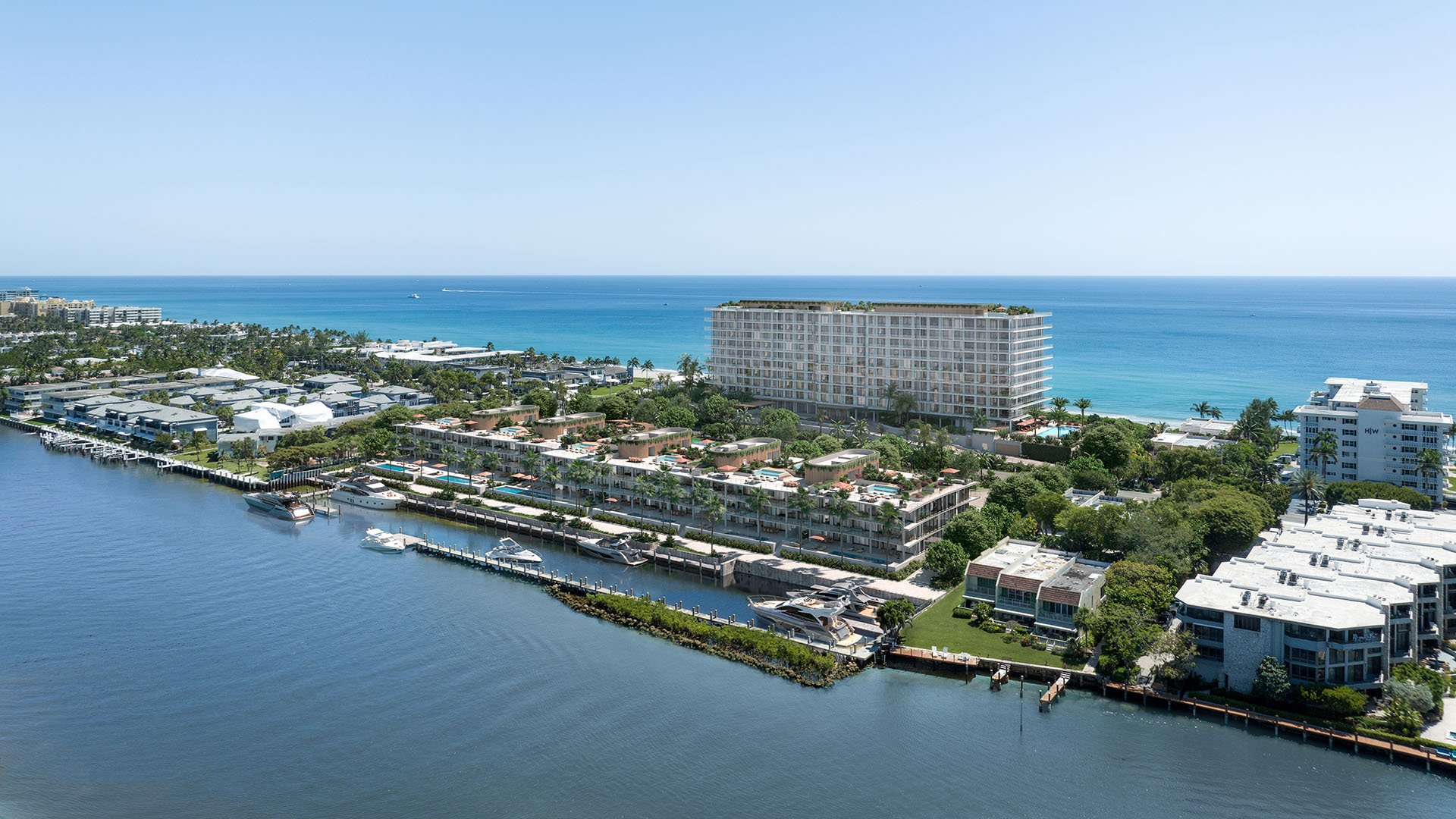
For a buyer focused on yacht ownership, the central question is not simply whether a residence faces the water. It is whether the property, its governing documents, and the surrounding marine conditions can accommodate the owner’s specific vessel and intended pattern of use.
That distinction should shape the search from the outset. Waterfront, Oceanfront, and Marina residences can represent distinctly different ownership propositions, while a Boat-slip reference in marketing language may not define the legal right, physical fit, or operational limits that matter most. This edition of MILLION Buyer's Guides treats the home and berth as a single acquisition thesis.
Begin with a written vessel profile. Include overall length, beam, draft, height, weight, power requirements, boarding preference, tender arrangements, and the equipment required for routine care. Add practical expectations: whether the yacht will be owner-operated or crewed, used frequently or occasionally, and whether provisioning, maintenance, and guest embarkation must occur at the residence.
A dock beside a property does not, by itself, resolve the ownership questions. Buyers should establish precisely what is being conveyed. The relevant interest might be part of the real property, an assigned space, an exclusive-use area, a licensed privilege, or an arrangement controlled by an association. Each structure can affect transferability, control, expenses, and future use.
Ask counsel to identify the controlling language and reconcile it with the contract, title materials, surveys, plans, and governing documents. The review should determine whether the right transfers automatically with the residence, whether it can be reassigned, whether use is limited to an owner’s vessel, and whether leasing or guest use is permitted.
Physical verification is equally important. Measurements should be confirmed rather than inferred from photographs or prior occupancy. Technically adequate length can still be compromised by beam, pilings, lift geometry, boarding clearance, neighboring vessels, or maneuvering room. The yacht’s captain or a marine professional should inspect the approach and berth under conditions relevant to the vessel.
Even the most elegant berth has limited value if it does not support the way the yacht will be used. A buyer’s marine review should consider the entire route from berth to intended cruising water, including depth, overhead clearance, turning areas, channel geometry, and any operating constraints that may affect timing or comfort.
This is also where lifestyle expectations become tangible. Consider how owners, guests, crew, technicians, and deliveries move among the street, residence, and vessel. Review parking, loading, security procedures, service access, shore power, water, lighting, storage, and waste handling. If the yacht requires regular professional attention, determine whether association rules and the property configuration allow that work to occur efficiently and discreetly.
The residence itself should support the same operating rhythm. Owners may value a direct route from living areas to the dock, practical storage for marine equipment, durable transition spaces, and privacy during servicing. These are not decorative details. They determine whether yachting is integrated into daily life or remains a separate logistical exercise.
Marine due diligence should extend beyond present conditions. Buyers should review maintenance obligations, repair authority, approval procedures, and cost allocation for docks, lifts, seawalls, utilities, and shared marine areas. The objective is to understand who decides, who pays, and how quickly essential work can be authorized.
Insurance warrants a coordinated review. The residence, marine structures, association coverage, and yacht policy may involve different responsibilities, exclusions, and deductibles. An insurance adviser can help identify gaps before contractual deadlines. Counsel should also review liability provisions, guest and contractor rules, and requirements governing crew or service-provider access to the property.
Renovation plans demand similar discipline. If the acquisition depends on changing a lift, modifying utilities, or reconfiguring access, treat approval as unresolved until the relevant professionals have reviewed the proposal. Do not assume an improvement is feasible merely because a neighboring property appears to have something similar.
A disciplined search benefits from alternatives. Within the immediate market, Rosewood Residences Hillsboro Beach can be included in the residential review, with every marine-use detail independently confirmed for the specific opportunity under consideration.
Buyers refining their priorities may also compare other coastal options-not as substitutes based on reputation alone, but as tests of what they value. The Ritz-Carlton Residences® Pompano Beach can help frame the discussion around residential format and location. Across the broader comparative set, St. Regis® Residences Bahia Mar Fort Lauderdale and The Ritz-Carlton Residences® Palm Beach Gardens offer additional contexts in which to clarify the preferred balance of home, service, and marine access.
The purpose of comparison is not to presume equivalence. It is to reveal trade-offs. A buyer may discover that immediate boarding matters more than a particular residential format, or that service infrastructure and privacy outweigh proximity to the vessel. The strongest decision is one grounded in explicit priorities.
Before making an offer, assemble a focused team capable of evaluating both sides of the purchase: real-estate counsel, title and survey professionals, an insurance adviser, appropriate marine specialists, and, when applicable, the yacht’s captain or manager. Give each adviser the same vessel profile and intended-use statement so their conclusions remain aligned.
Contract terms should address every item still requiring verification. Depending on the property and transaction, these may include document review, title and survey matters, physical inspections, insurance acceptability, association information, and confirmation of marine suitability. The result should be a residence selected not only for its setting, but also for its ability to support yacht ownership with clarity.
Is every waterfront residence suitable for a yacht? No. Legal rights, vessel dimensions, access conditions, and operating rules must all align with the specific yacht.
What yacht measurements should a buyer provide? Provide overall length, beam, draft, height, weight, and utility requirements, along with any lift, tender, or boarding needs.
Does an assigned slip automatically transfer with a sale? Do not assume it does. Counsel should confirm transferability in the contract and controlling property documents.
Who should inspect the berth? A qualified marine professional should inspect it, ideally with input from the yacht’s captain or manager.
Why does the route beyond the dock matter? The route can determine whether the vessel’s depth, height, and maneuvering profile are compatible with its intended use.
What association rules deserve special attention? Review vessel limits, guest use, leasing, contractor and crew access, work hours, storage, and dock-maintenance procedures.
Should insurance be reviewed before closing? Yes. Coordinate the residence, association, marine-structure, and yacht policies to identify responsibilities and potential gaps.
Can a buyer assume a dock modification will be approved? No. Feasibility may depend on governing documents, professional review, and approvals specific to the proposed work.
How should nearby projects be compared? Compare legal marine access, operational convenience, service expectations, privacy, and the residence itself-not branding alone.
What is the essential purchase principle? Evaluate the home, berth, access route, documents, and operating plan as one integrated ownership decision.
For a confidential assessment and a building-by-building shortlist, connect with MILLION.
If branded residences are on your mind — as a home or as an allocation — we would be glad to share what we are seeing, privately.
Begin a quiet conversation