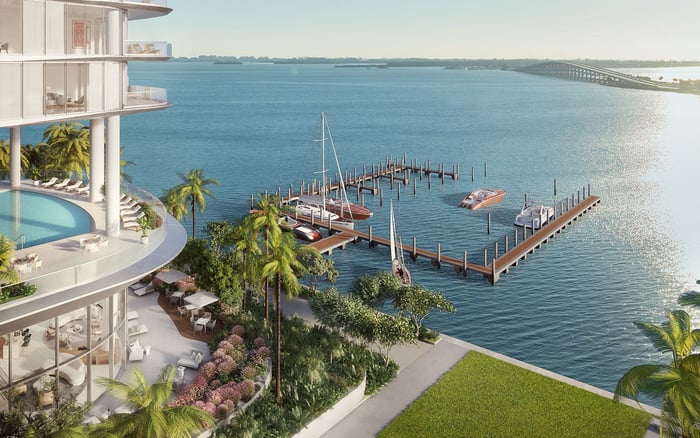
A polished gala evening in Brickell begins with operational clarity: verified bridge clearance, confirmed berthing and fuel arrangements, coordinated crew transfers, and a credible shore-side alternative.
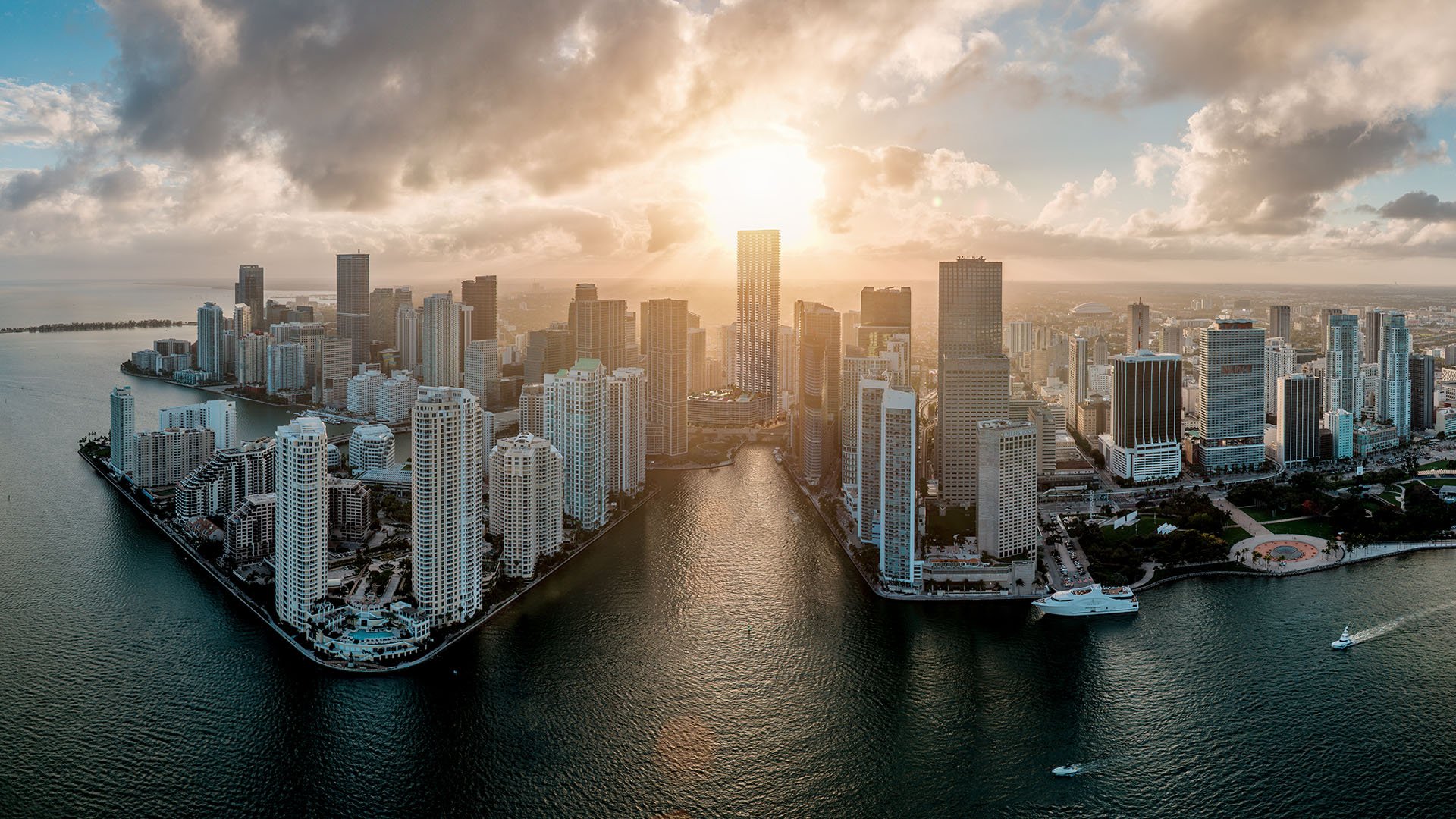
For a South Florida gala evening, the most valuable residential amenity may be an itinerary that works quietly in the background. A beautifully prepared home is only the beginning when guests, yacht, crew, and chauffeured vehicles must converge on a fixed arrival time. In Brickell, that coordination deserves the same attention as the residence itself.
The essential distinction is between proximity and permission. A home near the water does not establish docking rights, and a short journey on a map does not guarantee a reliable transfer time. Buyers considering Baccarat Residences Brickell should treat marine access as a separate due-diligence exercise, not an assumed extension of the address.
Start with the event arrival deadline, then work backward through disembarkation, vehicle loading, navigation, bridge passage, and departure preparation. Have the captain and household coordinator agree on the sequence before guests receive instructions.
The Brickell Avenue Bridge crosses the Miami River at mile 0.1. Its relevance depends on the actual berth and destination, not simply whether the residence is in Brickell. Ask the captain to identify every required crossing on both the outbound and return routes.
Closed vertical clearance figures differ: one is 23 feet, another 24 feet. Neither should be treated as a passage guarantee. The center span’s approximately 90 feet of horizontal clearance does not, on its own, establish navigability for a particular vessel.
The captain should verify actual air draft in the vessel’s loaded configuration, water level, beam, draft, and route. A close-clearance decision belongs with the vessel’s operator, not with a residential marketing description or a household timetable. Resolve the discrepancy before planning a passage that depends on it.
For buyers evaluating Una Residences Brickell, the useful question is not merely how close the home is to the water. It is whether the proposed marine itinerary has been checked for the specific yacht and intended boarding point.
The bridge opens on signal except during specified restrictions. From 7 a.m. to 7 p.m., Monday through Friday, excluding federal holidays, it generally need open only on the hour and half-hour.
On those weekdays, three periods require particular attention because the bridge need not open for routine marine traffic:
Morning: 7:35 to 8:59 a.m.
Midday: 12:05 to 12:59 p.m.
Evening: 4:35 to 5:59 p.m.
For an evening event, the final restriction can shape the entire departure plan. A generic 30- or 45-minute allowance may be insufficient if the vessel reaches the bridge within that window. Work backward from a feasible crossing opportunity, then add allowances appropriate to the route and conditions.
Exceptions exist for specified traffic, including public vessels, tugs and tows, and emergencies involving danger to life or property. A private gala transfer should not assume eligibility. Temporary deviations can also change normal operations, making an event-day check essential even when the household knows the standing timetable.
Treat possible marina congestion as a planning risk to verify, not a seasonal occupancy statistic to assume. Before confirming the evening, obtain direct confirmation of the intended berth or boarding location, its availability for the required period, and the permissions governing its use.
The operational checklist should cover permitted vessel dimensions, depth, turning room, shore power, pump-out, safe boarding, and after-hours access. Clarify whether the arrangement permits only a brief guest transfer or a longer stay. A berth suitable for one purpose may not meet the evening’s full requirements.
Ask what happens if the intended space is unavailable on arrival. The captain should assess an alternate boarding or landing arrangement before the household commits to it. Guest instructions should reflect the confirmed location, with one designated contact responsible for communicating changes.
For a purchaser, this is also a documentation question: distinguish rights attached to ownership from separately arranged marina services. A nearby facility should not be treated as an included residential benefit.
Keep fuel planning separate from the social itinerary until the captain has confirmed the arrangements. Establish a primary stop and an alternate, checking operating hours, access, the required fuel, and whether service can accommodate the vessel at the intended time.
Do not assume that a convenient boarding location also provides fuel, or that a fuel stop can be added without affecting the bridge schedule. Ask the captain to review the complete sequence, including any additional crossing the stop would require.
The captain should set reserves for the itinerary, idling, delays, and diversion. Where practical, discuss completing fueling before the guest transfer. The objective is to avoid making a fixed gala arrival dependent on an unconfirmed service stop.
Bridge openings can disrupt road traffic as well as determine marine passage. A yacht-and-car itinerary therefore has two connected sources of delay: the vessel may wait for an opening, while the vehicle may encounter the road interruption that opening creates.
When assessing Cipriani Residences Brickell, ask the appropriate property representatives about vehicle staging and loading permissions. Do not assume the arrival area can support simultaneous guest, luggage, and crew movements.
Give guests one concise set of instructions and crew a separate operational brief. Designate staging and loading points, assign timed transfers, and establish a return plan. Confirm who will notify the driver of a delayed disembarkation and who can authorize a change of pickup location. Avoid promising a fixed crew-transfer duration without checking the actual route and conditions.
A written marine-and-road itinerary should name the coordinator, captain, driver contact, boarding point, crossing plan, and shore-side alternative. Set a decision point for switching to the land-based plan rather than continuing to compress the evening’s schedule.
Weather belongs in that decision. In Miami-Dade, plan for drawbridge lockdowns to begin eight hours before expected tropical-storm-force winds of 39 mph or more. Treat that as a contingency trigger and confirm actual bridge status before movement.
For buyers considering The Residences at 1428 Brickell, these questions belong alongside the floor plan and finishes. Evaluate a residence not only as a setting for entertaining, but as the starting point for the owner’s intended routines. The goal is not an elaborate plan. It is a clear one that preserves the evening when circumstances change.
Explore Brickell residences with your broader lifestyle requirements in mind at MILLION.
If branded residences are on your mind — as a home or as an allocation — we would be glad to share what we are seeing, privately.
Begin a quiet conversationThe bridge crosses the Miami River at mile 0.1 in Miami. Its relevance to an itinerary depends on the vessel’s berth and destination.
Clearance figures differ between 23 and 24 feet. The captain should resolve that discrepancy and verify actual vessel configuration and water level before planning a close-clearance passage.
The center span has approximately 90 feet of horizontal clearance. That figure alone does not establish safe passage for a particular vessel.
From 7 a.m. to 7 p.m., Monday through Friday, excluding federal holidays, the bridge generally need open only on the hour and half-hour, subject to additional restrictions and temporary deviations.
The restricted periods are 7:35 to 8:59 a.m., 12:05 to 12:59 p.m., and 4:35 to 5:59 p.m., excluding federal holidays. During these windows, the bridge need not open for routine marine traffic.
A private gala transfer should not assume eligibility. Exceptions cover specified traffic, including public vessels, tugs and tows, and emergencies involving danger to life or property.
Proximity alone does not establish docking rights. Verify the permissions attached to ownership separately from any marina or guest-boarding arrangement.
Confirm a primary stop and an alternate before fixing departure. The captain should set reserves for the itinerary, idling, delays, and diversion.
Provide separate instructions, designated staging and loading points, and timed vehicle transfers with a return plan. Account for road delays associated with bridge openings.
In Miami-Dade, plan for drawbridge lockdowns to begin eight hours before expected tropical-storm-force winds of 39 mph or more. Confirm actual bridge status and maintain a shore-side alternative.