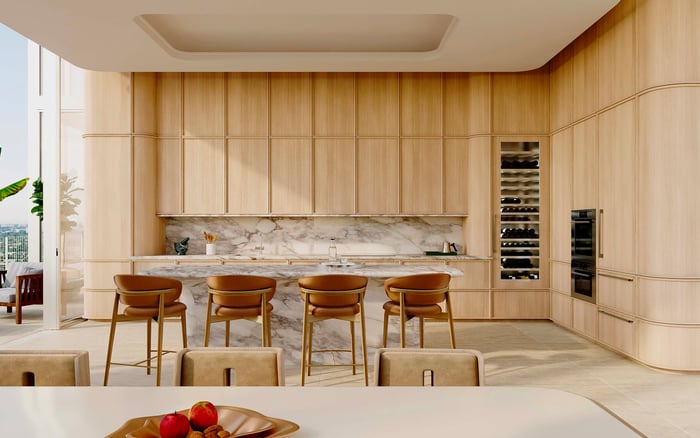
A practical diligence framework for Design District buyers: distinguish county water-quality evidence from residence-level conditions, verify air and water equipment, price replacement supplies, and clarify who maintains each system.
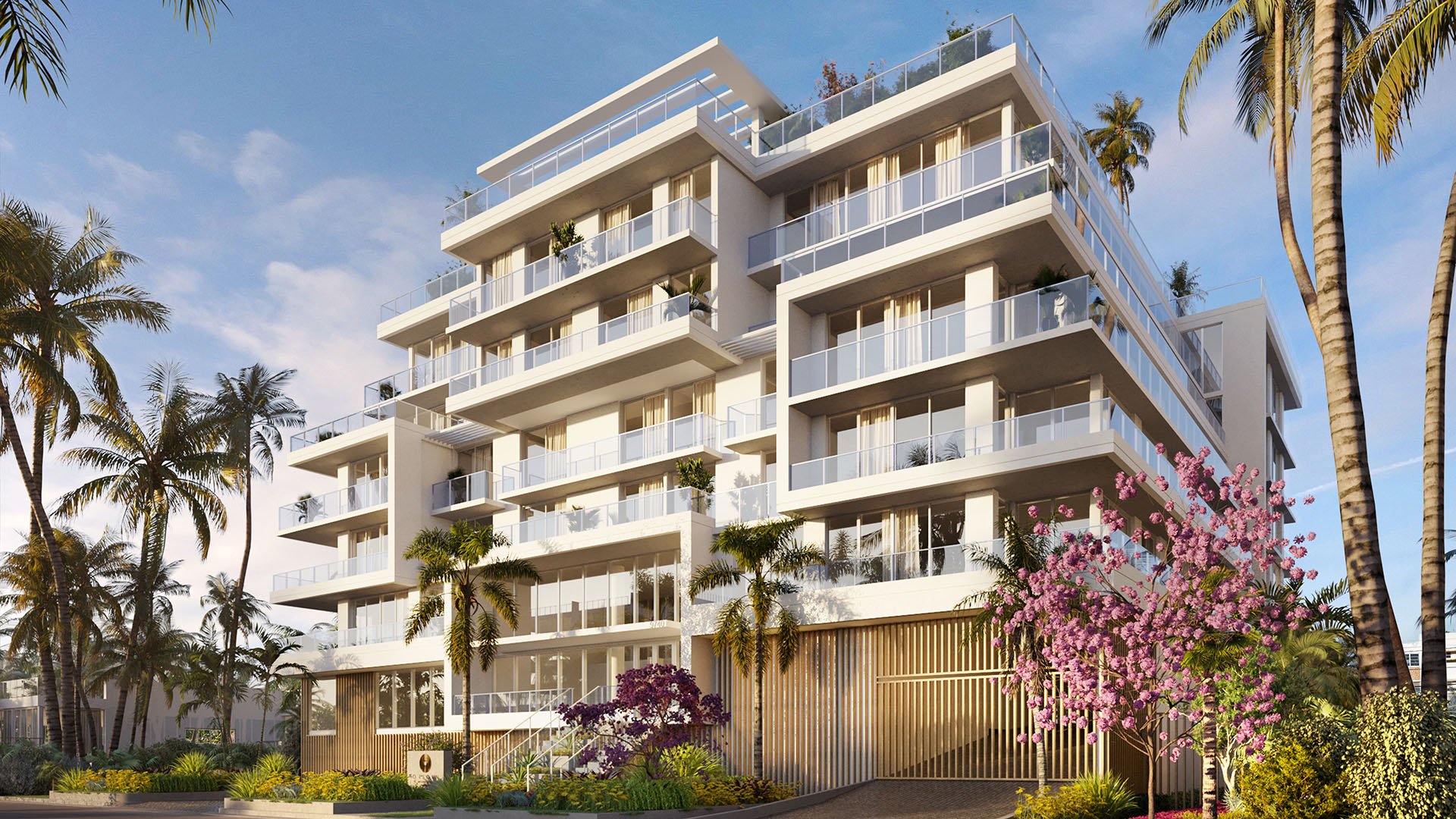
In a Design District home, comfort deserves the same scrutiny as proportion, materials, and light. Air filtration and water quality belong in that conversation, alongside less visible questions: what needs replacing, how replacements are obtained, and who is responsible when service is due. The buyer’s objective is an ownership plan, not merely an appealing equipment description.
For a buyer considering Kempinski Residences Miami Design District, begin with residence-specific documentation. Apply the same standard to every property under consideration. A project name, design concept, or service proposition is no substitute for confirmation of the equipment and obligations attached to the particular home.
Organize the review around four files: air, water, replacement supplies, and responsibility. Treat the questions below as requests for verification, not descriptions of any named project’s features or contractual commitments.
Begin by requesting the most current county drinking-water quality documentation available. Confirm its reporting period and record its date in the purchase file rather than assuming that a document already on hand is the latest version.
County-level evidence does not establish that a particular condominium’s internal plumbing, fixtures, or treatment equipment are defect-free. Keep the distinction explicit: one file concerns the public supply; another should address the building and residence being purchased.
Ask the seller or management team to identify any water-treatment equipment serving the home, its location, and the supporting installation and service documents. If treatment is described as building-wide, request confirmation of what it actually serves. If it is described as residence-specific, ask which outlets are included.
Where a concern remains, ask a qualified professional whether residence-level testing is appropriate and what it would establish. Do not infer a contaminant problem-or its absence-from an undocumented assurance.
For air filtration, request an inventory rather than a general statement about indoor comfort. Ask for the equipment manufacturer, model, filter specification, installation documentation, and applicable maintenance instructions. Have the relevant professional distinguish equipment serving the residence from equipment serving shared spaces.
When comparing Miami Tropic Residences with another option, use identical questions in both files. What filtration is specified? Is that specification documented for the selected residence? What evidence distinguishes a planned installation from equipment already installed?
Request dated service records for operating equipment. For prospective installations, ask what documentation and inspection opportunity will be available at delivery. Keep promised performance separate from demonstrated condition.
Do not choose a replacement filter solely by its marketing description. Ask the equipment professional to confirm compatibility with the documented system. The diligence goal is not to prescribe a universal filtration standard, but to understand the proposed or installed arrangement and its upkeep.
A water-treatment description should prompt precise questions. Ask whether the equipment, if present, serves an individual fixture, the residence, or a shared building system. Request model details, operating instructions, service history where available, and documentation supporting any stated performance claim.
Drinking-water treatment, plumbing condition, and fixture maintenance are not interchangeable subjects. Ask the reviewer to address each separately and identify what remains unresolved. A polished kitchen presentation should not settle a question about equipment concealed beneath it.
If your search extends into Edgewater, apply the same scope review to EDITION Edgewater. This is a comparison framework, not an assertion that any particular treatment system is included there. Before assigning value to a feature, establish what is being offered and where the supporting commitment appears in the transaction documents.
For each documented system, request a replacement-supplies schedule. It should identify the exact part or consumable, the manufacturer’s recommended basis for replacement, the intended supplier, and the person expected to place the order. Obtain current quotations rather than relying on a verbal estimate of annual upkeep.
Ask whether quoted costs include delivery, labor, and any associated service visit. Confirm current availability and stated lead times with the proposed supplier. If an alternative product is suggested, seek written confirmation of compatibility; a similar description does not establish an equivalent replacement.
For a comparison that includes Villa Miami, keep the operating-cost worksheet separate from the amenity comparison. Mark unconfirmed prices and availability as pending. A purchase decision should not depend on an assumed supply chain or an unpriced maintenance promise.
Finally, ask what documentation will accompany the home at handover, including any inventory of spare filters or cartridges represented as included.
For every identified component, ask four questions: who owns it, who maintains it, who authorizes service, and who pays? Do not collapse those questions into a single assurance that management handles maintenance.
Request the governing documents and relevant service agreements, then ask counsel to reconcile them with sales representations. Identify any distinction between routine consumable replacement, equipment repair, and eventual replacement. Ask where each responsibility is documented and whether any service inclusion carries conditions or exclusions.
Establish the proposed access procedure as well. Who schedules entry? Can a buyer appoint a representative? What happens if a service appointment is missed or a fault is discovered while the owner is away? Seek written answers rather than assuming that a concierge or building engineer has accepted a particular duty.
A useful responsibility schedule pairs each task with the responsible party, payment arrangement, supporting document, and unresolved question. Treat informal assurances as items to confirm, not contractual conclusions.
For an owner who expects to be away, ask how maintenance reminders, approvals, and service records would be handled during absences. Identify a proposed contact for each system and confirm that person’s scope before relying on the arrangement. Request a clear process for escalating unresolved service issues.
Before the applicable contractual decision deadline, review the four files together with the appropriate advisers. Distinguish documented equipment, inspected condition, quoted operating costs, and obligations confirmed in writing. Where an issue remains open, ask counsel how to address it within the transaction. An unanswered question is neither reassurance nor proof of a defect.
The most useful diligence outcome is clarity: what serves the home, what supports its claimed performance, what upkeep entails, and who is accountable. That is a practical expression of luxury, designed around ownership rather than presentation.
For a considered approach to your Design District property search, connect with MILLION.
If branded residences are on your mind — as a home or as an allocation — we would be glad to share what we are seeing, privately.
Begin a quiet conversationBegin with current county drinking-water quality documentation, then request separate evidence about the building and residence. Public-supply information does not establish the condition of internal plumbing or treatment equipment.
Request the most current available documentation and confirm its reporting period. Record its date in the purchase file rather than assuming an existing copy is the latest version.
No; it does not establish that a particular condominium’s plumbing, fixtures, or treatment equipment are defect-free.
Request the manufacturer, model, filter specification, installation documentation, and maintenance instructions. Ask a qualified professional to confirm which equipment serves the residence.
Separate prospective specifications from equipment already installed. Ask what documentation and inspection opportunity will be available at delivery.
Ask whether any documented equipment serves a fixture, the residence, or a shared building system. Request supporting details before assigning value to the feature.
Request exact part identifiers and current quotations that clarify delivery, labor, and service charges. Confirm availability and stated lead times with the intended supplier.
Responsibility must be confirmed for the particular residence through applicable documents and agreements. Do not assume that ownership, ordering, servicing, and payment belong to the same party.
Ask how reminders, service access, approvals, and records would be handled during absences. Confirm the scope of any representative’s responsibilities in writing.
No specific air-filtration or water-treatment installation is asserted for the named projects. The same documentation requests should be applied to each residence under consideration.