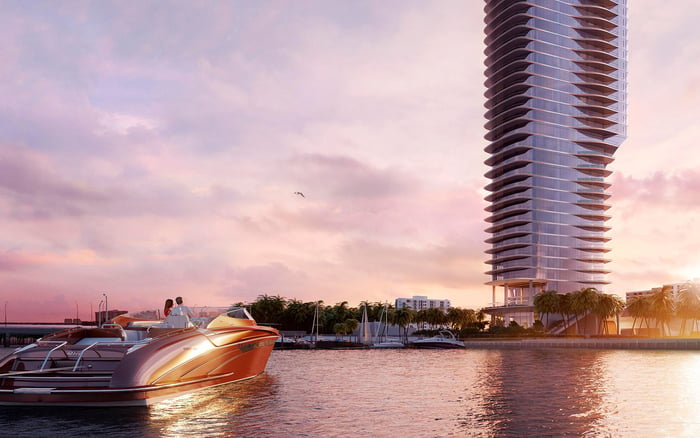
For a Toronto buyer considering a Key Biscayne second home, the most consequential details may sit beyond the residence itself. A disciplined review of condominium documents, structural inspections, reserve funding and insurance history helps clarify both ownership costs and the practicalities of being away.
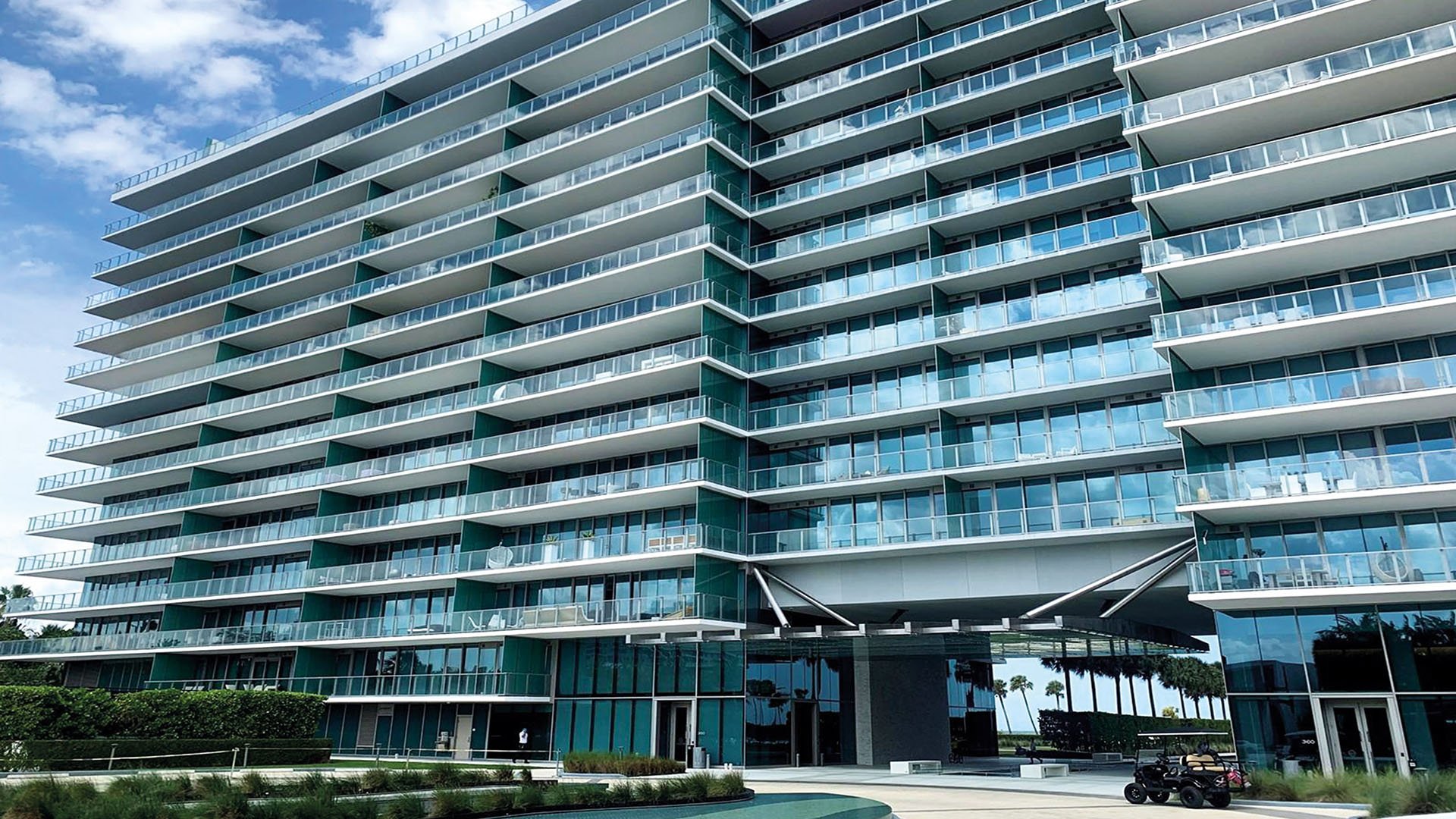
For a Toronto buyer planning a second home in Key Biscayne, the appeal is personal: a different seasonal rhythm, a preferred view and a residence that feels effortless on arrival. The purchase decision, however, must account for obligations that continue while the owner is elsewhere. Structural maintenance, reserve contributions and insurance belong beside the floor plan in any serious evaluation.
A residence at Oceana Key Biscayne may enter that search, but a project name alone establishes nothing about current reserves, assessments or insurance. The review must be property-specific: understand what the association must maintain, how it intends to pay and which obligations may reach the buyer after closing.
Ask Florida condominium counsel to confirm that the disclosure package is complete and identify the applicable review deadlines. The file should include governing documents, financial statements, the annual budget and applicable disclosures concerning milestone inspections, Structural Integrity Reserve Study status and turnover inspections. A marketing summary is no substitute for the underlying documents.
As an additional diligence request, seek 24-36 months of board and association meeting minutes. Look for recurring discussions of concrete restoration, balcony repairs, waterproofing, roofs, plumbing, litigation and insurance renewals. Repetition warrants attention: distinguish a matter discussed from one funded, contracted and completed.
Apply the same documentary standard if the search extends to Park Grove Coconut Grove. Compare the completeness of each association's file rather than assuming a different location resolves the questions. The suggested minutes lookback is a diligence recommendation, not a statement of statutory production rights.
Florida's milestone-inspection regime generally applies to condominium and cooperative buildings with three or more habitable stories. Inspections are conducted by a Florida-licensed architect or engineer. The standard trigger is 30 years, generally followed by inspections every 10 years. Confirm whether an earlier local requirement applies rather than assigning every coastal building the same timetable.
Phase 1 is a visual structural assessment. Findings of substantial structural deterioration can require a more detailed Phase 2 inspection. Ask counsel and the reviewing engineer to distinguish the inspection's status from the status of any recommended repairs.
Request the complete milestone report, including findings, photographs, repair recommendations and limitations. A summary can orient the buyer, but it does not provide the full basis for judging follow-up obligations. Where repairs are identified, trace them through engineering documents, bids, construction contracts and permits. Completion certificates and warranties provide evidence that a reference in meeting minutes alone cannot supply.
A Structural Integrity Reserve Study, commonly called a SIRS, addresses major components such as roofing, structural elements, fire protection, plumbing, electrical systems, waterproofing, exterior painting, and windows and doors. Its significance is financial as well as physical: it connects future work to a funding plan.
SIRS-covered reserves are generally subject to restrictions on waiver or reduced funding. Read the recommended funding alongside the adopted budget, reserve schedules, actual balances and committed projects. A substantial cash balance does not, by itself, establish adequate funding when that money must support substantial work.
Ask which recommendations have been incorporated into regular assessments and which remain unresolved. Verify the building's applicable SIRS deadline with counsel; do not treat December 31, 2026 as a universal extension. Likewise, a legislative proposal or bill analysis does not establish that a provision became law.
The central question is not simply whether a study exists. It is whether the association's financial plan responds to it.
Reconcile special assessments separately. Identify approved and proposed assessments, amounts already paid and remaining installments. Then have counsel align those obligations with the purchase contract, including responsibility after closing. A payment schedule and a contractual allocation answer different questions; both must be clear.
Association borrowing also belongs in the review. Request outstanding balances, interest rates, repayment schedules, collateral and any pledged future assessments. Evaluate borrowing alongside reserve funding and repair commitments, not as an isolated balance-sheet entry.
If a Toronto buyer is also considering Una Residences Brickell, the same comparison applies: evaluate regular assessments, approved installments and association debt service together. This is a review framework, not a conclusion about that property's finances. Across Key Biscayne, Coconut Grove and Brickell, each association requires its own evidence.
Request five years of master-policy declarations, renewal proposals, loss runs, claims history, and cancellation or nonrenewal notices, where available. This is a recommended diligence lookback, not a stated statutory production requirement. The purpose is to understand coverage continuity and renewal issues, not merely to confirm that a current policy exists.
Have a Florida-licensed broker examine windstorm, flood, water-damage, equipment-breakdown and ordinance-or-law coverage, including exclusions and deductibles. Pay particular attention to named-storm and wind deductibles. Read those terms alongside the governing documents to determine whether, and how, deductible costs may reach individual owners.
Review unit-level coverage separately. The association's master policy does not generally replace an owner's HO-6 protection for applicable interiors, contents, liability and loss assessments. Obtain a unit-insurance quote before the applicable review deadline. Assess premiums, deductibles, exclusions and available coverage-not insurability alone.
For an owner spending part of the year in Toronto, operational permissions matter. Review leasing limits, guest policies, renovation approvals and parking rights. Confirm storm-protection obligations and whether a local property manager may access and oversee the residence during absences.
Translate those provisions into practical questions: who can enter when the owner is away, what approvals are needed before work begins, and what arrangements are required for storm preparation? Test the attraction of a second home against the association's actual rules, not an assumed level of convenience.
Keep Canadian and U.S. tax, financing and estate-planning questions on a separate professional-advice track. The condominium review does not resolve them.
Before closing, obtain an association estoppel certificate and reconcile assessment balances and payment responsibility. Recheck repair closeouts and insurance renewal terms rather than relying entirely on documents received earlier in the transaction.
The objective is not to find a building without future obligations. It is to understand those obligations, how they are funded and whether they fit the intended ownership experience before committing.
For a considered approach to your Key Biscayne second-home search, connect with MILLION.
If branded residences are on your mind — as a home or as an allocation — we would be glad to share what we are seeing, privately.
Begin a quiet conversationReview governing documents, financial statements, the annual budget and applicable milestone, SIRS-status and turnover-inspection disclosures. Florida condominium counsel should confirm completeness and the applicable review deadlines.
Florida's regime generally covers condominium and cooperative buildings with three or more habitable stories. The standard trigger is 30 years, generally followed by inspections every 10 years, subject to any applicable earlier local requirement.
Phase 1 is a visual structural assessment by a Florida-licensed architect or engineer. Identified substantial structural deterioration can require a more detailed Phase 2 inspection.
The complete report allows review of findings, photographs, repair recommendations and inspection limitations. A summary alone does not provide the same basis for evaluating follow-up work.
Not necessarily. Evaluate balances alongside the SIRS, reserve schedules, adopted budget and committed projects to understand the obligations that money must cover.
Do not assume it is a universal extension. Have Florida condominium counsel verify the building's applicable deadline and requirements.
Separate approved and proposed assessments, payments already made and remaining installments. Counsel should reconcile these with the purchase contract and clarify responsibility after closing.
Request five years of master-policy declarations, renewal proposals, loss runs, claims history and cancellation or nonrenewal notices, where available. This is a diligence recommendation, not a stated statutory production requirement.
Generally, no. Obtain a separate unit-level quote before the applicable review deadline and assess coverage for applicable interiors, contents, liability and loss assessments, including exclusions and deductibles.
Review guest and leasing policies, renovation approvals, parking rights, storm-protection obligations and property-manager access. Confirm that the rules support the intended second-home arrangements.