For Palm Beach County buyers, generator capacity is only the beginning. A disciplined review should establish exactly which elevators, cooling zones, refrigeration appliances, and telecom circuits receive backup power, with clear documentation of exclusions and operating limits.
In a high-value Palm Beach County residence, backup power deserves the same scrutiny as the floor plan. The question is not simply whether a generator is installed, but which parts of daily life the documented system is intended to preserve. Elevator access, selected cooling zones, refrigeration, and communications each warrant explicit review.
Treat “whole-house” as a description to investigate, not a performance specification. A useful buyer deliverable pairs the electrical riser or single-line diagram and load calculation with an included-and-excluded equipment schedule. That schedule should distinguish an owner's preferred operating conditions from the loads actually connected to backup power.
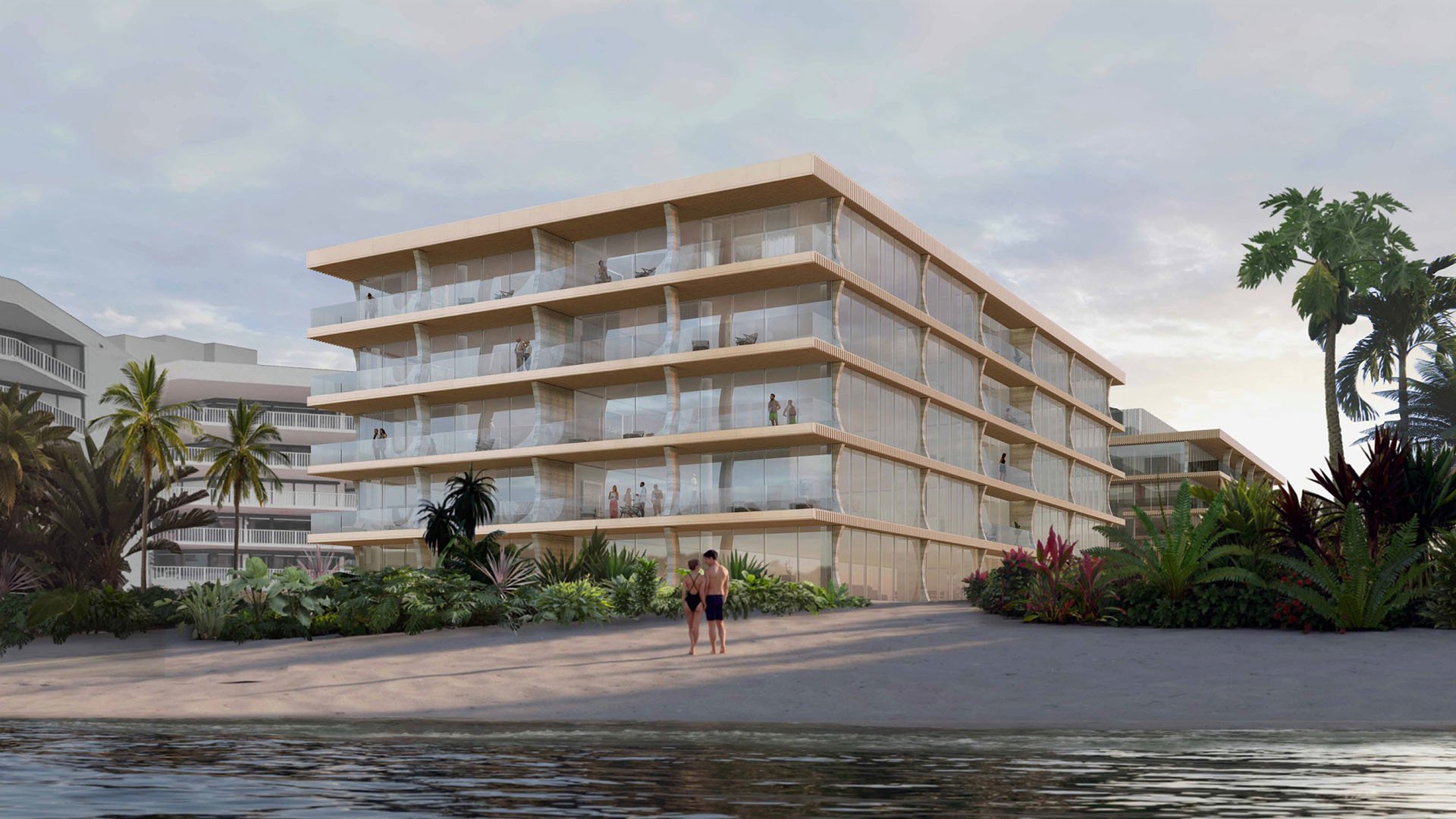
For buyers considering Alba West Palm Beach, the same discipline applies: request property-specific documentation rather than draw conclusions from the presence of a building generator. No backup capabilities are assumed for any project mentioned here.
For a Palm Beach County property, request connected-load documentation and load calculations rather than relying on advertised generator capacity. Ask for an electrical riser or single-line diagram identifying service size, panels, transfer equipment, disconnects, the generator, conductors, breakers, and equipment ratings. Have a qualified electrical professional explain what the documented installation is designed to serve.
First, confirm the permitting authority and governing code edition for the address. Do not assume every property within the county has the same permit basis. Then ask the professional to reconcile the documentation with the installed equipment and the seller's representations.
The buyer's schedule should identify each relevant load, its panel and circuit, whether it is included, and any stated operating restrictions. Request explicit exclusions, too. A concise record of what will not operate is more useful than an expansive description that leaves the limits unclear.
Where cord-connected equipment forms part of the proposal, have the professional address receptacle sizing, overcurrent protection, and generator output capacity. The connection is not an incidental detail.
Review elevator backup separately from general residential backup. Ask the elevator and electrical professionals whether standby power is required for the property and which operating provisions apply to the installed system. Do not assume that a general backup-power description establishes elevator availability during an outage.
Request the intended outage operation, transfer sequence, expected transfer time, and equipment covered. Have the professionals distinguish applicable requirements from the performance documented for the particular installation, rather than relying on a generic timing claim.
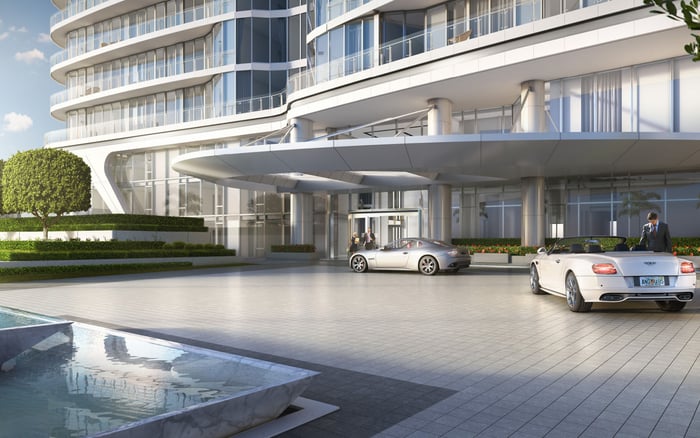
For a buyer evaluating The Ritz-Carlton Residences® Palm Beach Gardens, this is a request for building-specific evidence, not an inference about the property's systems.
Keep detached-home and multifamily questions separate. Ask the professionals to establish the requirements for the residence being reviewed, including any additional structures, rather than applying assumptions from another property type.
Translate comfort expectations into named equipment. Rather than accept “air conditioning included,” ask the contractor to identify the cooling zones and associated equipment proposed for backup. Specify which rooms matter to the household, then request confirmation that the documented design supports the intended use.
Compressor-start performance and simultaneous operation warrant direct questions to the qualified contractor. Ask which operating combinations the design supports, what restrictions apply, and how those conclusions will be demonstrated. Do not infer performance from generator capacity alone.
Refrigeration deserves its own inventory. Request a circuit and inclusion status for every refrigerator, freezer, and other refrigeration appliance the owner intends to keep operating. A general kitchen designation should not stand in for a complete appliance schedule.
In Boca Raton, a buyer considering Alina Residences Boca Raton should request the same clarity about private-residence loads. The practical distinction is between a building-level backup description and documented coverage within the home being purchased.
Communications should be a distinct category in the audit. Ask the electrical and technology teams to identify the equipment and circuits intended to support the household's connectivity, distinguishing those within the residence from services beyond its control.
A generator claim alone does not establish uninterrupted internet or telephone service. Request a separate explanation of transfer-period arrangements, any proposed uninterruptible power supply, and assumptions about external carrier availability. Equipment sizing and carrier resilience remain questions for the relevant specialists, not assurances a property description can supply.
The deliverable is modest but precise: named equipment, named circuits, documented backup inclusion, and an explanation of remaining dependencies. This makes “telecom continuity” a scope the buyer can review, rather than a phrase that promises more than the documentation establishes.
A complete review extends beyond the panel. Ask the design professional to identify applicable flood-related requirements for the generator, related systems, and any temporary-generator connections. Request confirmation that the documented placement and installation address the property's applicable flood elevation and permit requirements.
Have the professional identify the equipment-listing, electrical, fire-prevention, and installation standards applicable to the system. Request documentation showing how the proposed or installed equipment meets those requirements.
Prepare and test generators before a storm, and arrange fuel in advance. Request the contractor's runtime assumptions and proposed testing and commissioning scope in writing. Do not accept a guaranteed duration without a property-specific basis.
Never operate a generator inside a home, garage, basement, crawl space, or other enclosed or partially enclosed area. Keep it outdoors, away from openings and vents. General operating guidance does not replace approved plans, manufacturer instructions, or permanent-installation clearance requirements.
Before relying on backup-power representations, assemble one coordinated record: the applicable permit basis, electrical diagram, load calculation, included-and-excluded schedule, and professional responses concerning elevator operation, cooling, refrigeration, telecom, placement, and fuel. Ask for unresolved items to be identified explicitly, not absorbed into a broad assurance.
The objective is not to make every residence operate identically during an outage. It is to ensure the home you select has a documented backup scope aligned with how you intend to live.
For a considered approach to Palm Beach County residence selection, explore MILLION.
If branded residences are on your mind — as a home or as an allocation — we would be glad to share what we are seeing, privately.
Begin a quiet conversationRequest the electrical riser or single-line diagram, load calculation, and an explicit included-and-excluded schedule. Elevator equipment, cooling zones, refrigeration appliances, and telecom circuits should be identified individually.
No; treat the description as a claim to verify against connected-load documentation and written operating restrictions.
Ask qualified elevator and electrical professionals to identify the property's applicable requirements. Request documentation of the equipment covered and its intended operation during an outage.
Request the documented transfer sequence and expected transfer time for the installed system. Ask professionals to distinguish applicable requirements from property-specific performance.
Request identification of each included cooling zone and its associated equipment. Ask a qualified contractor to address compressor starting, simultaneous operation, and any restrictions.
An individual appliance and circuit schedule makes the intended backup scope explicit. A broad kitchen designation should not substitute for identifying each refrigerator, freezer, or other refrigeration appliance intended for coverage.
A generator description does not establish uninterrupted connectivity. Ask specialists about the covered equipment, transfer-period arrangements, any proposed uninterruptible power supply, and external carrier dependencies.
Ask the design professional to identify applicable flood-related requirements for the generator, related systems, and any temporary-generator connections. Request confirmation that their placement addresses the property's applicable flood elevation and permit requirements.
Prepare and test the generator and arrange fuel in advance. Request written explanations of runtime assumptions and the proposed testing scope from a qualified contractor.
No; never operate a generator in a garage or another enclosed or partially enclosed area. Keep it outdoors away from openings and vents, following applicable plans and manufacturer instructions.