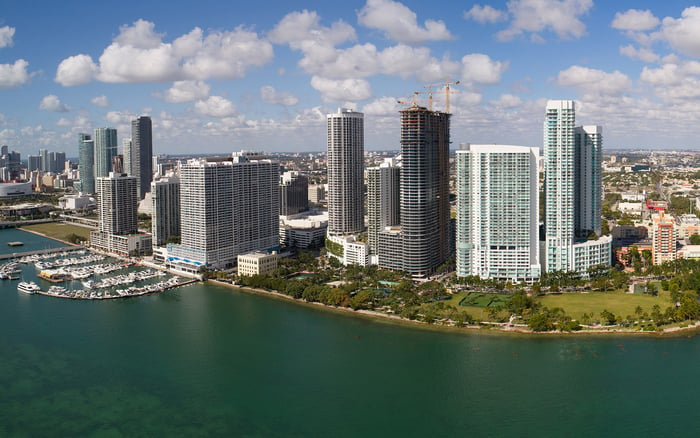
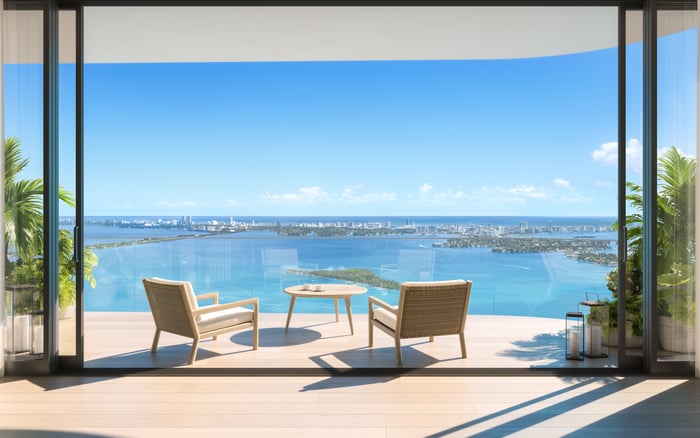
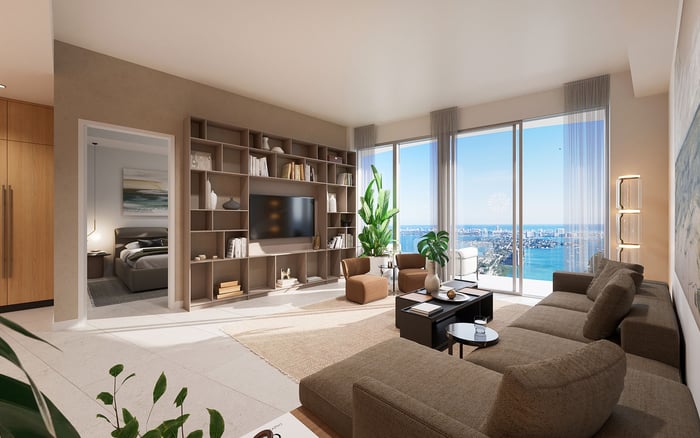
A buyer’s framework for evaluating Edgewater condominium litigation, separating construction allegations from findings, and obtaining written financing and insurance answers before closing.
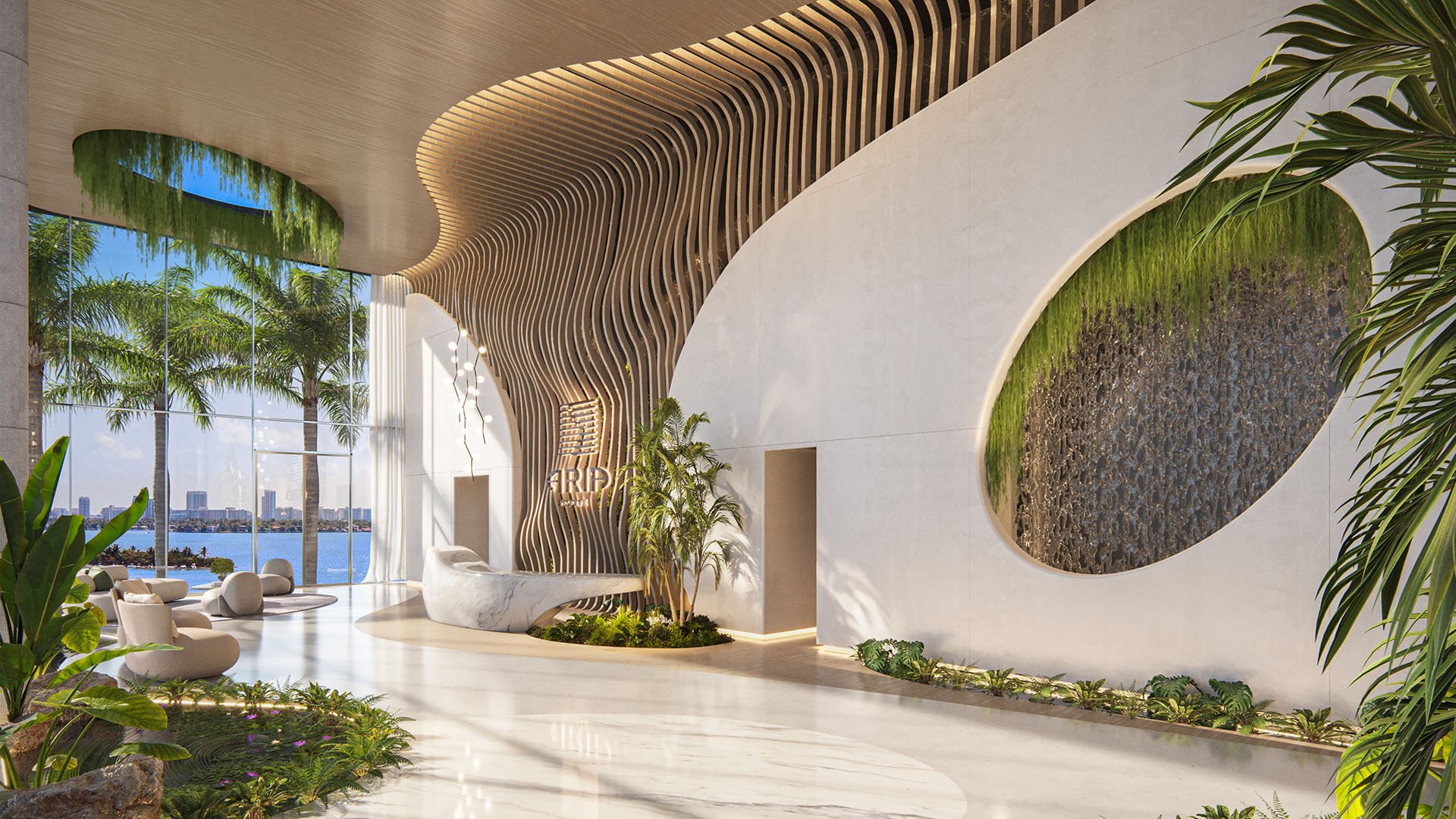
In Edgewater, a residence warrants scrutiny beyond its floor plan, views and finishes. Equally important are the questions surrounding the association: what litigation involves it, which construction issues remain unresolved, how repairs would be funded, and what a lender or insurer requires before committing. For a substantial acquisition, documentary clarity belongs alongside architectural distinction.
A buyer considering Aria Reserve Miami should apply the same disciplined review used for any condominium under consideration. This is a diligence principle, not a suggestion that the project is involved in the disputes discussed here. Litigation belongs to specific parties and proceedings, not to a neighborhood by association.
The essential distinction is between a filed allegation, a judicial finding and a present operational condition. None substitutes for the others. A complaint identifies a dispute; current engineering, occupancy and financial documents help explain what ownership would mean today.
Missoni Baia’s condominium association filed a Miami-Dade Circuit Court complaint on January 30, 2026, against developer-related entities, architects, the general contractor and 19 subcontractors. The complaint identifies 76 alleged construction and design defects. That number represents allegations, not 76 adjudicated findings.
The alleged conditions include cracks in floor slabs, foundations and columns; water intrusion; hot-water problems; defective fire-alarm and sprinkler systems; pool-plumbing leaks; and nonfunctioning elevators. The association also alleges that the building had only a temporary certificate of occupancy, with unresolved construction, design and code issues preventing a final certificate at the time of its complaint. That allegation does not establish the building’s current occupancy documentation.
A separate developer-side federal lawsuit, publicly disclosed in April 2026, concerns an OKO affiliate’s demand for approximately $22.4 million from four insurers over allegedly unpaid construction-related claims. That complaint alleges foundation damage from uneven settling during construction and a resulting delay of at least 16 months in obtaining the temporary certificate of occupancy.
The claimed losses include delayed closings, business interruption, lost rental value, soft costs and financing expenses. The proceedings address distinct issues: the association’s alleged defects and the developer affiliate’s claimed insurance recovery. Neither establishes structural unsafety, insurer liability, completed repairs or an impending special assessment.
A filing date does not establish current status. Begin with the association’s exact legal name, the relevant party names, case number and court. Ask counsel to review the operative complaint, latest substantive orders and any settlement or dismissal documents. Record the review date alongside the conclusions.
Miami-Dade’s civil court records system allows searches and access to available document details. Advanced civil-record access is free, subject to electronic-record access and security rules. A separate federal proceeding requires its own review; a county search is not a complete litigation inventory.
Biscayne 21 illustrates why chronology matters. Owners of eight condominiums sued developer Two Roads in May 2023 over condominium termination-a different dispute from construction-defect claims. In January 2026, an order required a Two Roads entity to restore utilities and repair and maintain the building and common elements at the developer’s expense. A settlement with owners was publicly disclosed on September 2, 2026. The earlier litigation history therefore cannot justify describing that dispute as still open without checking subsequent court records.
For a residence at EDITION Edgewater or another property on a buyer’s shortlist, tailor requests to the transaction and the building’s stage of development. The comparison concerns diligence standards, not an assertion of shared litigation or construction conditions.
Request documents that connect legal issues to physical conditions and financial responsibility:
Legal status: The exact association name, operative pleadings, latest orders and a current explanation of unresolved claims.
Physical condition: Engineering assessments, identified repair scope, work schedules and evidence supporting any claimed completion.
Occupancy: Current temporary or final certificates and documentation addressing outstanding conditions.
Funding: Repair budgets, identified funding sources, existing assessments and proposed obligations disclosed by the association.
Insurance: Current policy disclosures and correspondence relevant to coverage questions raised by the transaction.
Read these together. A repair proposal is not proof of funding; a funding plan is not proof of completed work. Ask advisers to distinguish what has been alleged, evaluated, approved, paid for and finished. Where an answer remains unresolved, identify who must provide it and when.
The available facts do not establish a Missoni Baia mortgage prohibition, required down payment, interest-rate increase or lender approval. Nor do they support a neighborhood-wide financing conclusion. A lawsuit alone should not be read as either a rejection or an assurance of eligibility.
Send the relevant litigation, engineering, occupancy and financial materials to the proposed lender early. Request written confirmation of project eligibility, the documents still required and any unresolved underwriting conditions. Ask whether the response addresses the condominium project as well as the individual borrower.
For buyers comparing Villa Miami with other residences, the objective is a financing answer specific to each transaction, not a generalized view of Edgewater. This comparison does not imply litigation at that project. Coordinate the document review with contractual deadlines, and have counsel address unresolved conditions before those deadlines pass.
The developer affiliate’s construction-insurance lawsuit does not establish coverage under the association’s current policy or an individual owner’s policy. Treat these as three distinct inquiries, each with separate insured parties, policy terms and claimed losses.
Ask the insurance adviser to identify the relevant current policies, available coverage, deductibles, exclusions and unresolved underwriting conditions. Request written clarification of how disclosed construction issues or litigation are being treated. Do not count a claimed recovery as money available for repairs without supporting documentation.
Broader pressure on developers’ construction-liability insurance costs does not establish a premium increase for a particular Edgewater association or owner. For budgeting, request actual policy and renewal information rather than applying a market narrative to a specific residence.
Before committing, assemble a concise decision file: current case status, occupancy documentation, engineering findings, repair funding, lender conditions and insurance answers. Refresh material items before closing rather than relying indefinitely on the initial document package.
The aim is not to demand a building without questions. It is to understand which questions remain, who is responsible for answering them and whether the financial obligations fit the acquisition. Cash purchases warrant the same operational review, even when no lender is involved.
For a considered approach to your next Edgewater residence, explore MILLION.
If branded residences are on your mind — as a home or as an allocation — we would be glad to share what we are seeing, privately.
Begin a quiet conversationThe January 30, 2026 complaint identifies 76 alleged construction and design defects, including cracking, water intrusion and building-system problems. These are allegations, not adjudicated findings.
No. Allegations alone do not establish structural unsafety; buyers should obtain current engineering assessments and professional advice.
The association alleged that Missoni Baia had only a temporary certificate of occupancy at the time of its complaint. Buyers should verify current occupancy documentation rather than assume that status remains unchanged.
An OKO affiliate sought approximately $22.4 million from four insurers for allegedly unpaid construction-related claims. The claimed losses include delayed closings, business interruption and financing expenses.
No. The developer’s construction-insurance dispute does not establish coverage under the association’s current policy or an individual owner’s policy.
The facts discussed here establish no building-specific mortgage prohibition or approval. Request written project-eligibility confirmation and outstanding conditions from the proposed lender.
Obtain the exact legal names, case number and court, then have counsel review current pleadings, orders and settlement or dismissal documents. Separate federal proceedings need their own review.
Its condominium-termination dispute demonstrates the importance of chronology: a settlement with owners was publicly disclosed on September 2, 2026. Earlier accounts alone cannot establish that it remains open.
No. Request repair budgets, funding documentation and assessment disclosures rather than assuming that litigation will create a new owner obligation.
Prioritize current case documents, engineering assessments, occupancy certificates, repair funding and insurance disclosures. Obtain written lender and insurance answers while unresolved conditions can still be addressed.