A collector’s guide to planning a Brickell residence around sensitive artwork, with a coordinated approach to lighting, daylight control, installation review, and collection insurance.
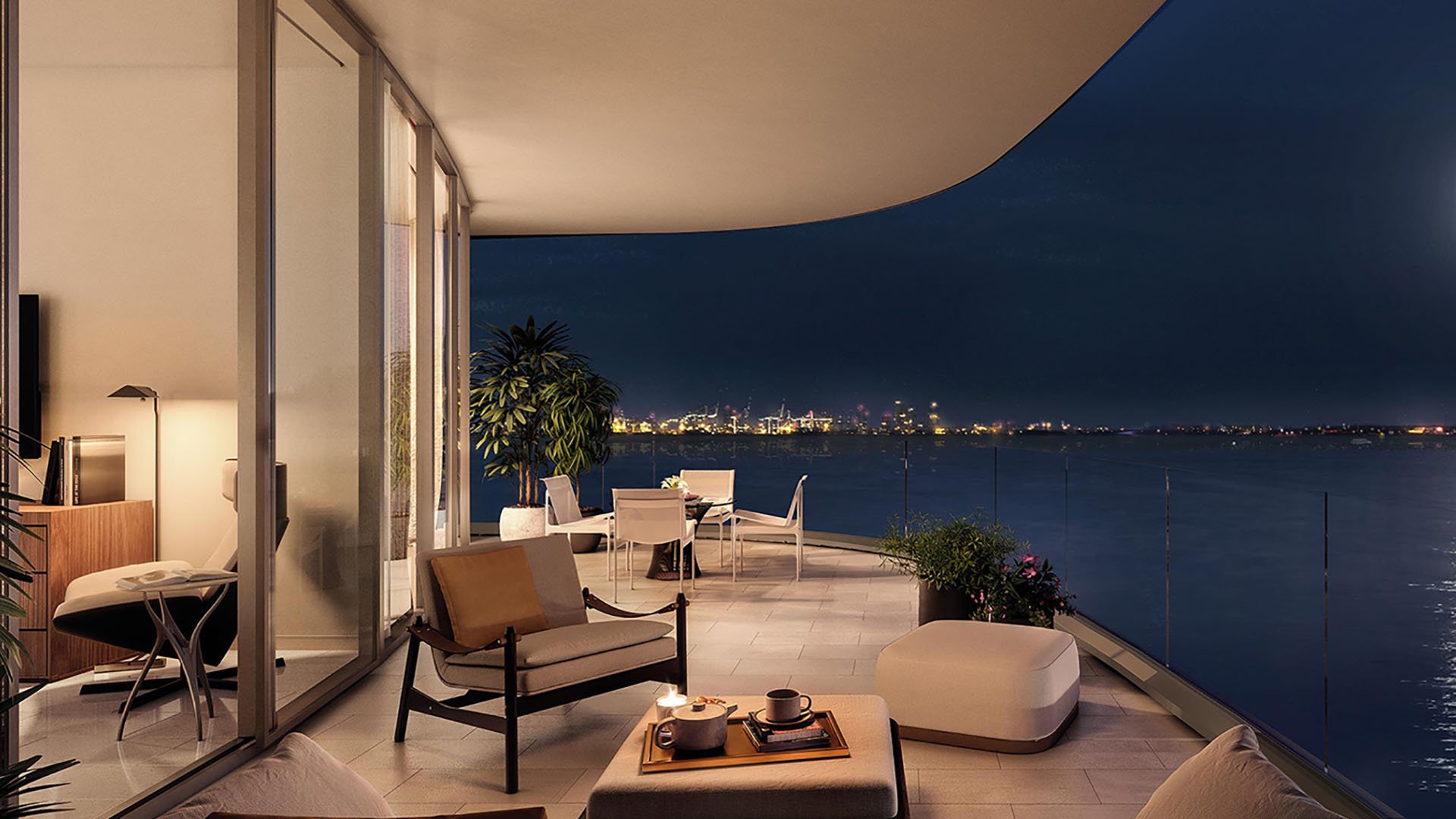
A residence designed around art should make its protective measures feel almost invisible. The painting reads beautifully, the view remains compelling, and the owner need not manage every shade or lighting circuit by hand. That balance begins before finishes are selected, with a clear understanding of what the collection can tolerate and what the residence can accommodate.
For a buyer considering The Residences at 1428 Brickell, the question is not simply where a major work will hang. It is whether that location can support a coordinated plan for illumination, daylight exposure, mounting, and insurance documentation. The same questions belong in any acquisition brief, regardless of the building.
These are conservation principles applied to residential planning, not Brickell-specific building requirements or assurances about any named property. A museum-grade approach is a design discipline, not a promise attached to a fixture or window specification.
Start with a collection schedule identifying materials, dimensions, condition, intended locations, and available valuation records. Ask a conservator to assess sensitivity before the lighting designer sets illumination targets. Two works with similar visual presence may require very different exposure conditions.
Approximately 50 lux is a traditional starting benchmark for highly light-sensitive objects, including many works on paper, photographs, and textiles. Approximately 150 lux is a traditional benchmark for less-sensitive objects, including many oil paintings, wood objects, and leather works. Neither figure guarantees protection against fading; the actual materials and their condition should guide the decision.
The objective is not to turn the entire residence into a uniformly dim gallery. It is to distinguish the needs of individual display locations from those of dining, reading, circulation, and entertaining. Ask the design team to resolve those needs together rather than apply one lux target to the whole collection.
Light damage is cumulative. Reducing intensity addresses only part of the problem if a work remains illuminated throughout the day and evening. A considered lighting brief accounts for both brightness and duration of exposure.
Dimming, occupancy controls, and automatic shutoff can reduce unnecessary exposure when artwork is not being viewed. For the owner, this might mean requesting separate viewing and unoccupied settings, with artwork circuits responding differently from everyday room lighting. Those settings should reflect the collection assessment, not simply a preferred atmosphere.
When evaluating Cipriani Residences Brickell, bring a proposed art layout into the interior-planning conversation and ask what controls can be accommodated. Confirm the answer for the specific residence; a project name alone establishes nothing about its lighting infrastructure.
Good color rendering matters as well. Museum-oriented LED selection favors a color rendering index, or CRI, above 90. R9 evaluates saturated-red rendering and usefully supplements overall CRI. White LEDs produce minimal UV and infrared radiation, but their visible light can still damage sensitive materials.
UV control is essential, but it is not a complete daylight strategy. UV-filtering glazing or film reduces ultraviolet radiation; operable window coverings limit overall light exposure. Because visible light can also cause fading, a filtered window does not automatically make an artwork’s placement suitable.
A conventional conservation upper limit for UV is 75 microwatts per lumen, expressed as µW/lm; elimination is preferable wherever practicable. Typical daylight UV output is approximately 300-600 µW/lm. That comparison explains the importance of filtering, but it does not establish the performance of any particular residence’s glazing.
For a prospective home at Una Residences Brickell, ask the team to assess the intended art locations alongside the actual window specification and proposed coverings. These are items to verify, not characteristics to infer from the address or presentation materials.
Request separate visible-light and UV measurements at display locations. An ordinary light meter generally does not measure UV. Consider requesting checks under different daylight and shade conditions so the final settings reflect how the room will be used.
A visually ideal wall remains only a candidate until its suitability for the intended installation has been assessed. Do not assign a generic weight capacity to a residential wall, assume a particular anchor will work, or treat permission to penetrate structural elements as automatic.
For each substantial work, ask the architect, a qualified engineer where appropriate, and a specialist installer to review the object’s weight, dimensions, mounting arrangement, and proposed wall location. Request confirmation of wall construction, any necessary backing, and the installation method before decorative finishes are finalized.
At Baccarat Residences Brickell, as elsewhere, the practical question is what documentation and approvals the specific installation requires. Establish those requirements with the relevant building representatives rather than assume another residence’s solution will transfer.
The result should be a documented, project-specific mounting plan. Lighting and placement decisions should remain provisional until that review is complete, particularly where a significant work anchors the room’s composition.
Review insurance alongside the collection plan, not as a substitute for conservation or installation diligence. Ask the adviser to address crime, fire, flood, accidental breakage, hurricanes, and wind damage explicitly. A broad description of coverage should not be assumed to answer each of those questions.
Use that list as a risk-review checklist, not a statement of current policy terms. Request written clarification of the applicable coverage, exclusions, limits, and deductibles. Where placement or installation raises a concern, bring it to the adviser before the work is mounted.
Valuation support can include an appraisal, bill of sale, or statement of replacement value based on current market prices. Assemble the available records and ask which documentation the proposed policy requires. The goal is to align the collection’s financial record with the actual insurance arrangement, without presuming that any single document guarantees a particular settlement.
Before installation, bring the conservator, lighting designer, interior team, installer, and insurance adviser back to the same collection schedule. Confirm the agreed display locations, lighting settings, UV measures, mounting plan, and valuation documentation. Resolve discrepancies before a finished room becomes an occupied gallery.
The most refined result is not maximum brightness or the most elaborate equipment. It is a residence in which enjoyment and stewardship have been planned together, with clear instructions for the people who operate it.
For a collection-led conversation about your next Brickell residence, connect with MILLION.
If branded residences are on your mind — as a home or as an allocation — we would be glad to share what we are seeing, privately.
Begin a quiet conversationIt means coordinating object-specific lighting, exposure controls, installation review, and collection care. It is not a blanket guarantee supplied by a fixture or window specification.
No. Approximately 50 lux is a traditional benchmark for highly sensitive objects, not a guarantee against fading; materials, condition, and exposure duration still matter.
Approximately 150 lux is a traditional benchmark for many less-sensitive objects, including some oil paintings. The particular work’s materials and condition should determine its lighting plan.
Light damage is cumulative, so limiting unnecessary exposure can help preservation. Occupancy controls, dimming, and automatic shutoff can reduce that exposure.
No. Visible light can also cause fading, so UV filtering should be paired with control of brightness and exposure time.
A conventional upper limit is 75 µW/lm. Eliminating UV wherever practicable remains preferable, and meeting that limit does not prevent visible-light damage.
Generally, no. Visible-light and UV measurements require different instruments.
A CRI above 90 supports good-quality color rendering. R9 assesses saturated-red rendering and provides useful additional information, but neither measure establishes conservation safety.
Request a project-specific review of the object, wall construction, mounting method, and necessary approvals by qualified professionals. Do not assume a generic wall capacity or permission to penetrate structural elements.
Explicitly review crime, fire, flood, accidental breakage, hurricanes, and wind damage under the actual policy. Valuation support can include an appraisal, bill of sale, or statement of replacement value based on current market prices.