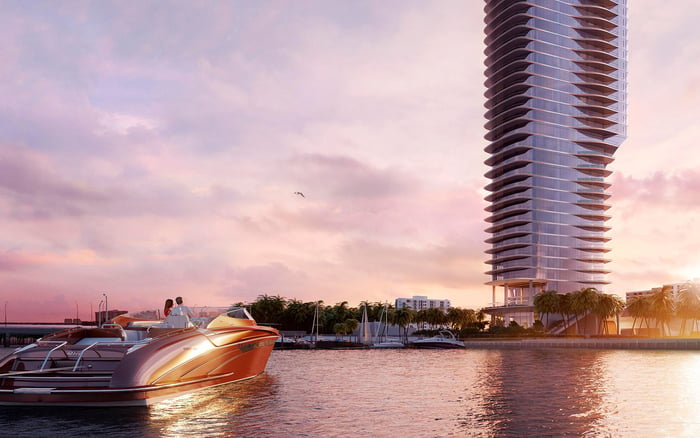
A disciplined approach to coordinating a South Florida residence, yacht financing, marina obligations and excess liability, while keeping residential estimates, vessel values and collector assets distinct.
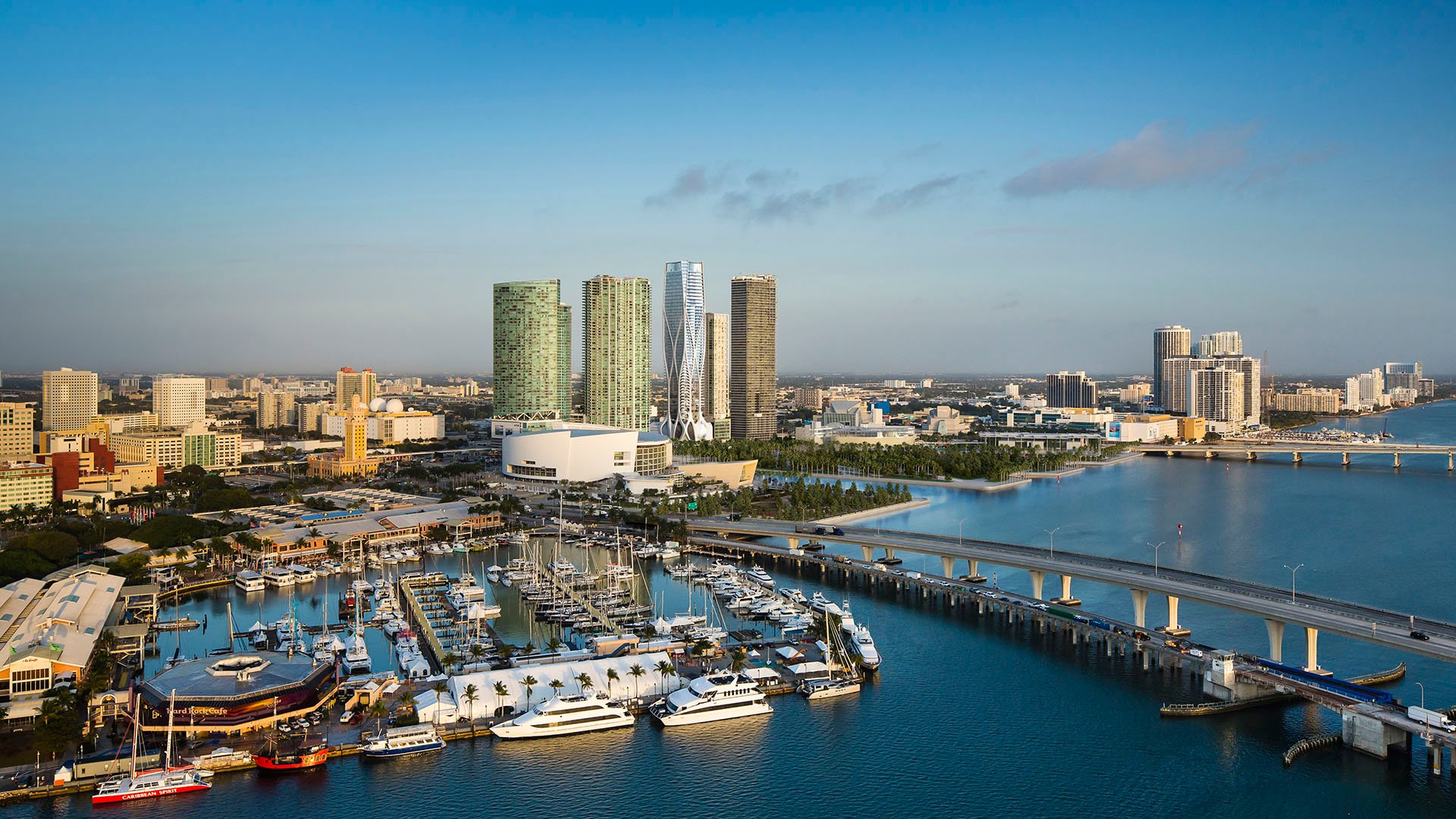
A South Florida residence and a yacht may belong to the same lifestyle, but their contracts should not be treated as a single arrangement. The residence policy, yacht financing documents, dockage agreement and umbrella coverage each warrant an independent reading, followed by a coordinated review. The aim is not simply to assemble certificates. It is to establish what each document requires and whether the corresponding policy responds.
For a buyer considering Una Residences Brickell, that discipline belongs alongside the residential decision. A Brickell address does not establish the terms of a separate marina agreement. Keep the residence purchase and boating arrangements connected operationally, but distinct in the legal and financial file.
Florida generally does not mandate insurance for recreational boats. Lenders, marinas and storage operators, however, commonly require it through their contracts. The practical question is not merely whether insurance is legally compulsory, but which obligations the owner has accepted.
No universal South Florida marina liability minimum can substitute for reading the selected facility’s agreement. Obtain its insurance requirements before arranging coverage, then ask the yacht-insurance adviser to address each provision individually. A liability limit may be only the beginning: the agreement may also require a certificate of insurance, additional-insured wording, fuel-spill protection and compliance with a storm plan.
For owners evaluating St. Regis® Residences Bahia Mar Fort Lauderdale, the same approach keeps a Fort Lauderdale residential search separate from assumptions about dockage. Confirm the actual facility, agreement and insurance conditions rather than drawing conclusions from a project’s name or setting.
A marina’s request to be named as an additional insured should prompt a review of the policy wording. Additional-insured protection depends on that wording; marina exclusions or a “no benefit to others” clause can undermine the protection the marina expects.
Ask counsel and the insurance adviser to compare the dockage agreement with the relevant policy provisions and endorsements. Keep the certificate in the file, but review the policy wording itself. The documents are not interchangeable.
The dockage agreement may also disclaim responsibility for the vessel, making the allocation of responsibility as important as the stated insurance limit. Review wreck removal and salvage separately, since the agreement may leave the owner responsible for removing a damaged or sunken yacht. Fuel-spill or pollution liability also warrants its own confirmation: it may be an explicit marina requirement and should not be inferred from hull coverage.
Financed boats commonly require hull insurance to protect the lender’s collateral, and a lender may specify agreed-value coverage. Request the financing document’s exact requirements rather than assuming that an otherwise suitable yacht policy satisfies them.
Agreed value establishes the vessel’s insured value when the policy is written. A covered total loss is generally settled at that amount rather than at a depreciated actual-cash value, subject to policy terms. Not every boat policy uses agreed value; actual cash value and other valuation structures are also available.
That distinction matters, but it does not answer every claims question. A total-loss settlement basis does not determine how partial damage will be treated. Review depreciation provisions and the treatment of engines and equipment separately.
A useful comparison sheet places the lender’s requested coverage beside the proposed policy’s valuation basis, insured amount and relevant conditions. Keep unresolved interpretations visible until the lender and insurance adviser have addressed them. A familiar policy label is no substitute for that comparison.
The residence, yacht and collection should have separate valuation sections in the owner’s file. Yacht agreed value is a vessel-policy settlement basis, not evidence of a home’s reconstruction cost or a collector asset’s current appraisal value.
For the residential section, assemble the available insurance replacement estimate. Ask the property-insurance adviser what it measures, which assumptions it uses and whether it suits the proposed coverage. Resolve questions about reconstruction scope and ordinance-or-law protection for the particular residence, not by analogy with the yacht policy.
For collector assets, identify the items the owner wants reviewed and gather available valuation documents. Ask the relevant adviser whether separate scheduling is appropriate, what appraisal documentation the proposed insurer requests and when it should be refreshed. Do not assume a universal appraisal timetable or coverage arrangement.
A buyer considering Vita at Grove Isle can apply this same separation to a Coconut Grove residential search. Homeowners insurance is not a substitute for a large-yacht policy: watercraft protection may be restricted to eligible small boats and limited physical-damage or liability coverage.
Meeting a marina’s minimum does not establish that an umbrella policy’s requirements have been met. An umbrella may require yacht-liability limits above those demanded for dockage. Compare its schedule of underlying insurance directly with the yacht policy.
Ask the adviser to confirm the required underlying yacht limit and whether the proposed arrangement satisfies the umbrella’s terms. Review the underlying policy and excess wording together rather than assuming that a larger headline limit resolves every issue.
This exercise is separate from hull valuation. Agreed value addresses the vessel’s insured value; the umbrella review concerns liability and its relationship to underlying insurance. Keeping those questions distinct makes the final coverage discussion more precise.
For a yacht based in South Florida, navigation territory should match the owner’s actual cruising and mooring plans. Professional captains, crew, tenders and compensated charter activity can change underwriting, exclusions and endorsement requirements. Present the intended operation accurately before relying on a coverage proposal.
Hurricane arrangements should satisfy both marina and insurer conditions. Compare any required storm plans, evacuation procedures and haul-out procedures side by side. If the documents call for different actions, raise the conflict before a storm makes the decision urgent.
Finish with a consolidated review file: residence documents, available collector valuations, financing requirements, dockage terms, yacht policy and endorsements, umbrella schedule, and operating plans. Assign each open question to counsel, the lender, the marina or the appropriate insurance adviser. This organization does not replace professional advice; it gives that advice a coherent starting point.
For a discreet perspective on South Florida residences that complement your boating priorities, explore MILLION.
If branded residences are on your mind — as a home or as an allocation — we would be glad to share what we are seeing, privately.
Begin a quiet conversationFlorida generally does not mandate recreational-boat insurance. Lenders, marinas and storage operators commonly require it contractually.
No universal marina liability minimum replaces the selected facility’s contractual requirements. Review its agreement before arranging coverage.
Requirements may include a certificate of insurance, additional-insured wording, fuel-spill protection and storm-plan compliance.
Protection depends on the actual policy wording. Marina exclusions or a no benefit to others clause can undermine the protection expected under the agreement.
It establishes the vessel’s insured value when the policy is written, with a covered total loss generally settled at that amount subject to policy terms. Partial-loss depreciation and equipment coverage still require separate review.
Financed boats commonly require hull insurance to protect the lender’s collateral, and a lender may specify agreed-value coverage. The financing documents should guide the review.
No. Homeowners watercraft protection may be restricted to eligible small boats and limited physical-damage or liability coverage.
No. Yacht agreed value is a vessel-policy settlement basis, not evidence of residential reconstruction cost or a collector asset’s current appraisal value.
Not necessarily. An umbrella may require higher underlying yacht-liability limits, so compare its schedule of underlying insurance with the yacht policy.
Review navigation territory, captains, crew, tenders and any compensated charter activity with the insurance adviser. Hurricane plans should satisfy both marina and insurer conditions.