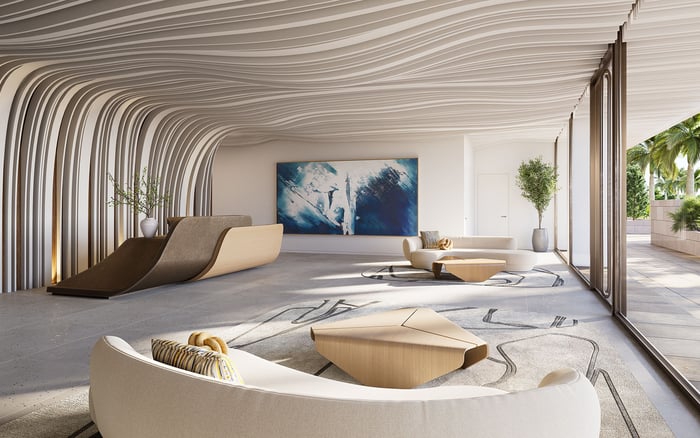
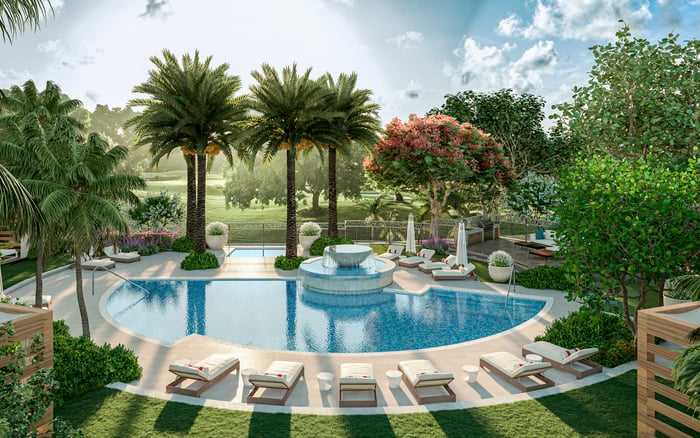
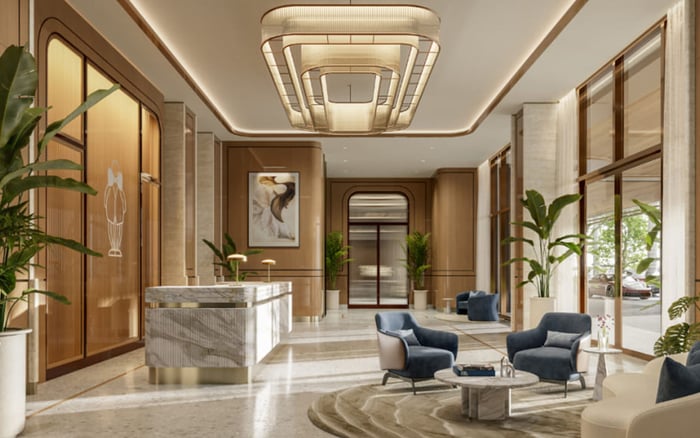
A buyer-oriented comparison of the wellness and amenity philosophies behind Glass House and The Residences at Mandarin Oriental Boca Raton, with practical guidance for South Florida luxury shoppers evaluating lifestyle, privacy, and service.
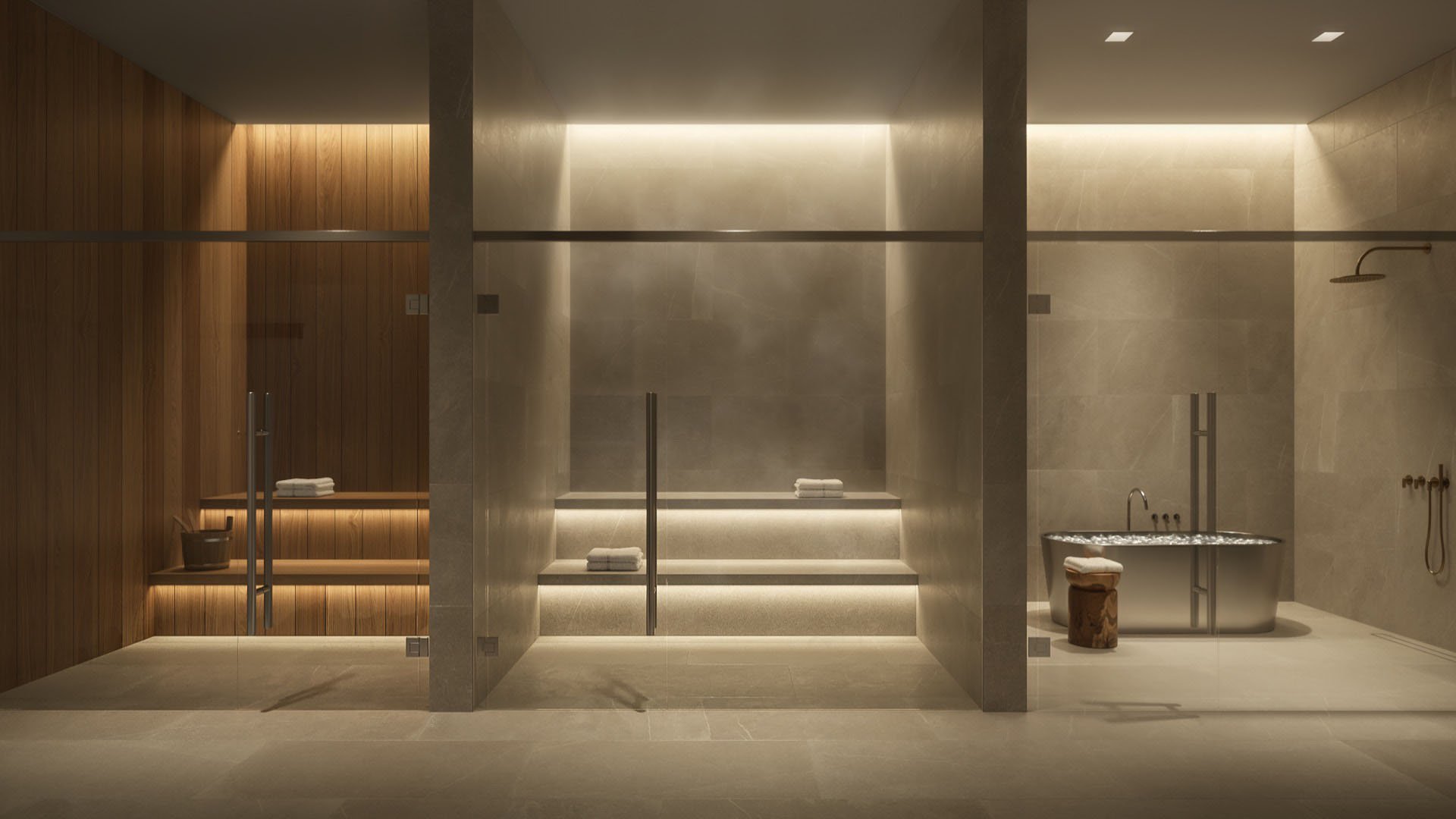
In Boca Raton’s ultra-premium market, “amenities” aren’t a checklist anymore. They’re the architecture of your week: where you decompress after travel, how frictionless your mornings feel, and whether your home supports recovery as confidently as it supports entertaining. That’s why comparing Glass House Boca Raton and The Residences at Mandarin Oriental Boca Raton is best treated as a difference in philosophy.
One direction leans intimate and residential-forward, where privacy and owner control tend to lead the narrative. The other leans into hospitality DNA, with a deeper bench of service and a wellness lens that reads more like a resort routine. Both can be “wellness-forward”-they just deliver it in different ways.
The smart buyer move is translating glossy amenity language into real behavior. Do you want wellness that’s staffed and programmed, or quiet and self-directed? Do you prefer a social rooftop rhythm, or a sanctuary that rarely asks you to share space? Let that answer drive the decision more than any rendering.
At this tier, amenities typically fall into four buckets: movement, recovery, social, and convenience. The mistake is treating each bucket as equally valuable to every household.
Movement
is usually the easiest to assess. You’ll see the fitness environment, the quality of light, and how far you travel from elevator to training. The nuance is whether it supports your actual habits. If you train early, does the route feel discreet and calm? If you work with a trainer, is there space to do it without turning the gym into a stage?
Recovery
is where the most meaningful differences tend to hide. Recovery isn’t only a spa-like room or a steam feature-it’s acoustics, privacy, and the sensation of stepping from a corridor into a genuinely quieter zone. On tour, take a minute to listen, not just look.
Social
amenities should be measured by your comfort with shared space. Some buyers want visible lounge culture. Others want the option to host without feeling like they’re “renting” a room in their own building. Ask what’s reservable, what’s first-come, and what’s truly resident-dedicated rather than event-prone.
Convenience
is the silent category that often determines satisfaction: package handling, arrivals, guest flow, and how service interacts with you. For many Boca Raton households, convenience is wellness. A calm arrival can lower stress more than any branded treatment.
Glass House naturally appeals to buyers who equate wellness with quiet. The pull is often less about headline programming and more about an environment that protects focus and recharge. In boutique-leaning buildings, “luxury” is frequently the absence of friction: fewer shared moments, a cleaner day-to-day cadence, and amenity spaces designed to support residents rather than impress visitors.
If your routine is self-directed, that model can be ideal. Boutique wellness, at its best, is predictable-you know what the spaces feel like at the times you’ll actually use them. The pool doesn’t become a performance, and the fitness environment doesn’t read like a public club. For buyers who split time between properties, that predictability can be the difference between weekly use and never using the amenities at all.
Glass House also tends to resonate with households that treat home as a restorative base between social commitments. If your calendar is already full of private clubs, dinners, and philanthropy, your residence can be the counterpoint: quiet, edited, and less managed.
For buyers who want wellness to feel “looked after,” a hospitality-branded environment can be especially compelling. The main distinction isn’t simply that services exist-it’s that the building culture is designed around them. In practice, that often translates to a more curated daily rhythm: arrivals with staff presence, stronger emphasis on resident experience, and the sense that you can externalize more of the logistics.
That matters for wellness because recovery is partly psychological. When the environment feels consistently tended, residents often experience a subtle reduction in decision fatigue. Routines are easier to keep when the building makes them feel effortless.
For some households, that’s the pinnacle of luxury: not adding features, but subtracting effort. If you entertain often, travel frequently, or prefer a more structured, service-forward lifestyle, this approach may align with how you already live.
A wellness-minded tour isn’t about asking, “What do you have?” It’s about asking, “How does it work at 7:00 a.m.?” Use the same lens in both buildings.
1) Trace your morning loop.
From your front door to coffee to movement to shower to departure-where are the bottlenecks? The best amenities are the ones that don’t require a mental reset to access.
2) Evaluate privacy at transitions.
Hallways, elevator lobbies, and the entry into the amenity floor matter as much as the amenity itself. Wellness requires an easy downshift.
3) Ask what is staffed versus self-serve.
Staffing changes the experience dramatically. It also changes what happens when something breaks-or when you need flexibility.
4) Study the “social pressure” factor.
Some spaces are designed to be seen; others are designed to disappear. Neither is wrong. Choosing the wrong one can make you avoid the spaces entirely.
5) Look for resilience, not spectacle.
The most luxurious buildings still feel composed after a heavy weekend. Finishes, acoustics, and circulation reveal long-term quality.
Boca Raton is a city where wellness is intertwined with schedule and season. Many residents maintain multiple homes, move between social circles, and value discretion. As a result, the “best” amenity package is usually the one that supports your rhythm without demanding participation.
If you’re building a South Florida portfolio, it helps to compare Boca’s wellness-luxury profile with other coastal markets. In Miami Beach, for instance, the lifestyle can skew more visibly social and design-forward, which shows up in how amenities are used and perceived. A project like 57 Ocean Miami Beach reflects a different coastal sensibility, where wellness often shares the stage with statement architecture and oceanfront living.
If your calendar pulls you south into the urban core, Brickell adds another layer. Walkability and business adjacency can become part of your wellness equation-especially for owners who measure health by time saved. In that context, a residential tower such as 2200 Brickell can feel like a different kind of “wellness,” defined by proximity, efficiency, and a more metropolitan cadence.
And if your lifestyle leans toward single-family privacy while still wanting turnkey, Boca’s luxury buyer often benchmarks condominiums against high-end homes. A property like 749 Bamboo Dr Boca Raton captures that comparison point: space, discretion, and the ability to curate your own wellness environment entirely within your walls.
The takeaway is straightforward: Glass House and Mandarin Oriental Residences aren’t only competing with each other. They’re competing with your alternative realities across South Florida.
If you’re torn, it helps to name the profile that sounds most like you.
Choose a boutique-leaning amenity model when:
You prioritize privacy, predictability, and low-friction access to the spaces you actually use. You want wellness to be quiet, consistent, and architecturally soothing-with minimal “scene.”
Choose a service-forward amenity model when:
You value staff presence, a curated experience, and the feeling that someone is managing the environment on your behalf. You prefer wellness as a lifestyle layer supported by hospitality instincts.
Neither approach is objectively superior. The right choice is the one you’ll engage with when nobody is watching.
At this level, small operational details create outsized lifestyle differences. Ask questions that force clarity:
What amenities are exclusive to residents, and which are shared or event-prone?
What is the reservation policy for any social or wellness spaces?
How is guest access handled for fitness and pool areas?
What is the practical storage and service flow for active lifestyles (gear, bikes, golf)?
How is privacy protected in elevators and common corridors?
If the answers are vague, treat that as data. A luxury experience should be explainable in plain language.
Which building is better for a private, low-key wellness routine? Buyers who want quieter, less performative amenity use often prefer a boutique feel.
Which one feels more like a hotel-level lifestyle? A hospitality-branded residence typically emphasizes staffed service and curated routines.
Do amenities matter as much as the residence itself? In practice, yes-because daily friction points often happen in shared spaces.
What should I prioritize if I travel frequently? Focus on arrivals, staffing, package handling, and how seamlessly the building supports absences.
How can I tell if a wellness amenity will actually get used? Tour at the time you would use it, and evaluate privacy, noise, and ease of access.
Is “wellness” mostly about spas and treatments? Not necessarily; it often shows up more in quiet circulation, light, and predictable routines.
What is the biggest amenity misconception in luxury condos? Assuming every feature is staffed or reservable the way you imagine-without confirming.
Should I benchmark Boca condos against Miami and Brickell towers? Yes, because lifestyle cadence differs, and that changes how amenities feel day-to-day.
Do single-family homes compete with these amenity packages? Absolutely; many buyers compare condos to homes for privacy and total control of wellness space.
What is the smartest next step if I’m deciding between both? Define your weekly routine, then match the building whose operations make that routine effortless.
For a discreet conversation and a curated building-by-building shortlist, connect with MILLION Luxury.
If branded residences are on your mind — as a home or as an allocation — we would be glad to share what we are seeing, privately.
Begin a quiet conversation