A buyer-focused examination of parking rights, valet risk, and EV-charging allocation at Alma Bay Harbor Islands and Bay Harbor Towers, separating advertised conveniences from the unit-level terms that deserve written confirmation.
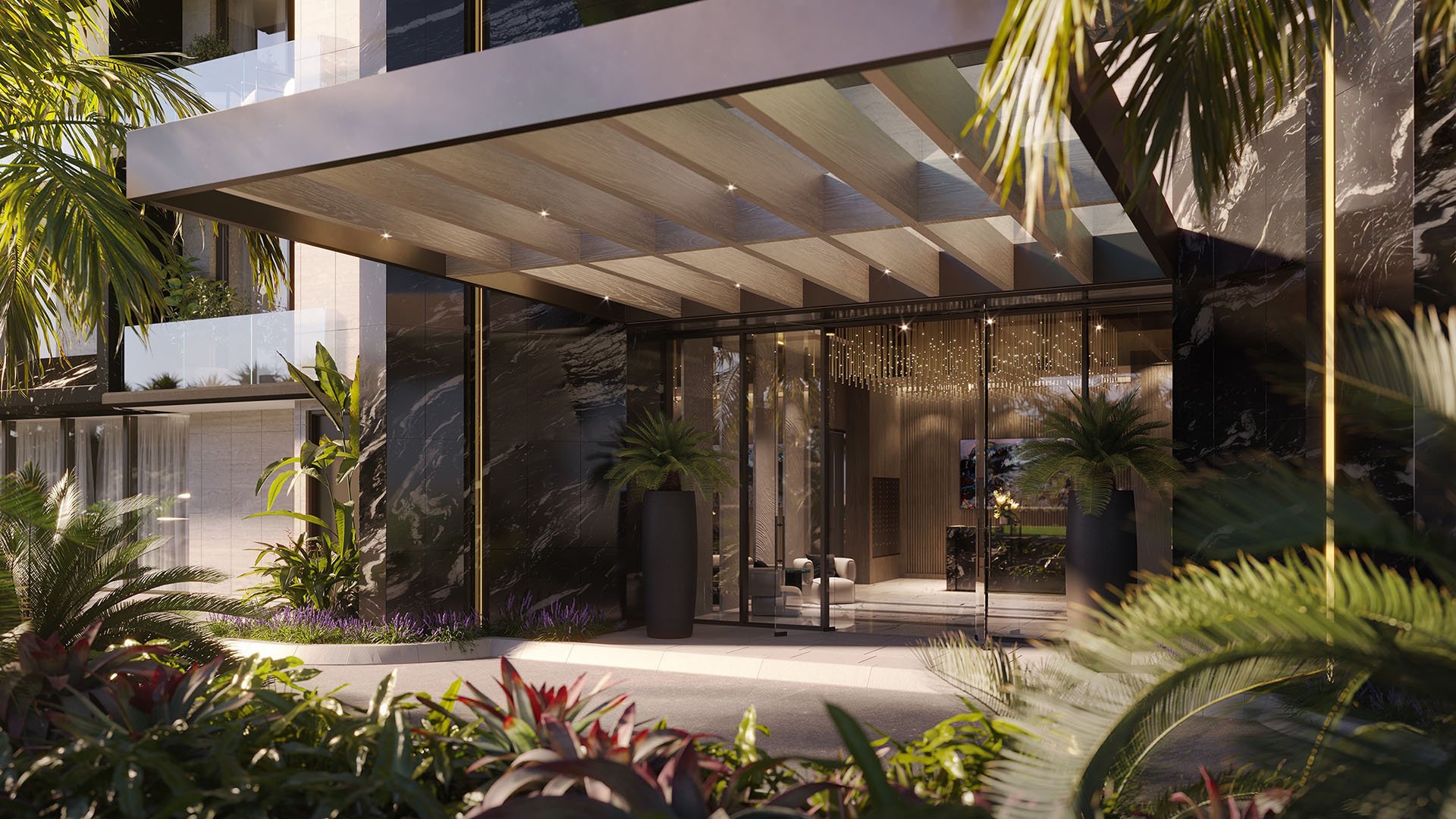
For a luxury condominium buyer, arrival is more than a beautifully managed handoff. It is an arrangement involving access, custody, cost, and responsibility. When owners share parking infrastructure or charging equipment, the decisive question is not simply whether an amenity exists, but what a particular residence is entitled to use.
That distinction should guide a comparison of Alma Bay Harbor Islands and Bay Harbor Towers. Here, shared ownership priorities concern the governance of common amenities, not either project's ownership structure. Parking rights, valet responsibility, and charging access each warrant separate review.
Bay Harbor Towers is identified at 10141 and 10143 East Bay Harbor Drive and described as a 44-residence condominium development. Its advertised offerings include covered parking, EV charging, and 24/7 reception, concierge, and valet. These are useful starting points, not substitutes for unit-specific documentation. For Alma, request the same documents without presuming equivalent arrangements or absent amenities.
Covered parking describes shelter. Secured parking describes an access or security feature. Valet describes a service. None, on its own, establishes that a buyer receives a particular space, may self-park, or can leave an automobile unattended for an extended period.
Bay Harbor Towers illustrates why the vocabulary matters. Residence #604 identifies its parking feature as “Valet.” Residence #406 identifies “Secured Garage/Parking” under community security, while its parking-feature field says “Other.” These descriptions establish neither an assigned nor a deeded space. Nor should they be read as contradictory promises about the building as a whole.
Request the parking allocation schedule for the exact residence under consideration. Ask whether access is deeded, assigned, leased, or available only through valet, and have counsel identify the supporting documents. Confirm the number of vehicles permitted, whether spaces can be reassigned, and whether any right transfers on resale.
For a household with several automobiles, ask about dimensions, clearance, access hours, guest parking, and restrictions on extended storage. These are diligence questions, not confirmed policies at either property. A daily-use parking arrangement should not be mistaken for permission to store a collection.
Valet service can make arrival effortless, but convenience does not settle responsibility. Bay Harbor Towers advertises valet service; that description does not establish the operator's liability for damage, theft, vehicle contents, or charging-related incidents.
Before relying on the service, obtain the valet agreement and identify the operator. Ask when custody begins and ends, who may move a vehicle, where it may be kept, and whether storage or towing provisions permit relocation beyond the expected parking area.
The insurance review should address coverage requirements, exclusions, and claims procedures. Ask who documents a vehicle's condition, how quickly damage must be reported, and which party receives notice. Have your insurance adviser assess how the arrangement interacts with your own coverage rather than assuming the building absorbs every loss.
For an owner who travels frequently, a clear procedure for key access and authorized collection matters as much as staffing. Written instructions should specify who can retrieve the vehicle and how an owner authorizes someone else to do so.
Bay Harbor Towers advertises EV charging alongside covered parking. That establishes an advertised feature, not a dedicated charger for every residence. The description does not specify charger quantity, unit-level assignment, reservation rules, or electricity billing.
Ask first whether charging equipment serves individual spaces or a shared pool. Then establish who owns the equipment, who authorizes installation, and whether electrical capacity supports the intended use. Installation permission and dependable daily access are separate questions.
Operational details deserve equal attention: reservations, charging duration, guest access, maintenance, and user billing. Ask how electricity costs are measured and allocated, and who handles equipment failures. If valet personnel connect or move vehicles, request clarification of their authorization and responsibility for that activity.
The same review can accompany a broader search that includes Onda Bay Harbor. The point is not to presume identical amenities or policies, but to compare written answers against the same household requirements.
Bay Harbor Towers advertises bicycle storage and water-sports-equipment storage. Neither constitutes automobile storage, and neither establishes a private locker or a particular allocation to a residence.
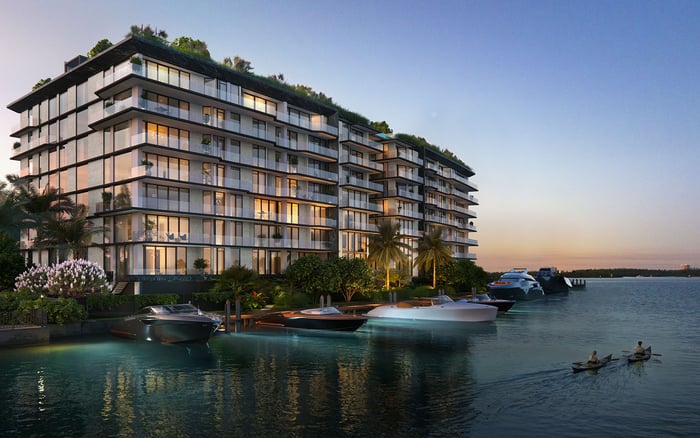
The development is also marketed with a private, 13-slip marina offering direct ocean access through Haulover Inlet. A marina amenity warrants its own questions about access and allocation. It is not proof that a slip accompanies every purchase.
Keep separate entries in the purchase review for automobile parking, long-term vehicle storage, bicycles, water-sports equipment, private lockers, and marina slips. For each, request the governing document, permitted use, applicable charge, and transfer provisions. This prevents one appealing storage description from standing in for several distinct rights.
If La Maré Bay Harbor Islands also enters the shortlist, apply the same categories without carrying assumptions from one building to another. Buyers extending their search to Bal Harbour should maintain that discipline as well.
A useful comparison begins with how the household actually lives. Consider the vehicle used daily, a second automobile left during travel, visiting family, and the charging routine expected on arrival. Ask management to explain how each scenario would be handled under the applicable written policies.
Then distinguish fixed purchase rights from arrangements that depend on service agreements or operating rules. Have counsel clarify what can change, who can approve changes, and which costs remain the owner's responsibility. This is especially important when an attractive amenity is central to the purchase decision.
The strongest choice between Alma and Bay Harbor Towers does not emerge from counting advertised conveniences. It emerges when the residence's documented rights align with the owner's vehicles, travel schedule, and tolerance for shared access. Luxury is more convincing when the practical details are settled before arrival.
For a discreet conversation about matching a Bay Harbor Islands residence to your ownership priorities, connect with MILLION.
If branded residences are on your mind — as a home or as an allocation — we would be glad to share what we are seeing, privately.
Begin a quiet conversationHere, shared ownership priorities refer to the governance and use of common amenities. The article does not characterize either property as fractional ownership.
Bay Harbor Towers advertises covered parking, valet service, and EV charging. Those descriptions do not establish a particular residence's parking allocation.
No. Buyers should request the specific residence's parking allocation schedule and confirm whether access is deeded, assigned, leased, or valet-only.
Residence 604 identifies “Valet,” while 406 lists “Secured Garage/Parking” under community security and “Other” as its parking feature. These descriptions do not establish deeded or assigned spaces.
Do not assume equivalent arrangements or absent amenities. Request Alma's unit-specific parking documentation, valet terms, and charging policies separately.
No. Review the valet agreement, insurance requirements, exclusions, and claims procedures to understand responsibility for damage, theft, and other incidents.
EV charging is advertised, but the description does not specify charger quantity or unit-level assignment. Confirm access and allocation in the applicable policy.
Ask how electricity is measured and billed, who owns and maintains equipment, and who pays installation costs. Confirm reservation rules and guest access separately.
No. Bay Harbor Towers advertises water-sports-equipment and bicycle storage, but those descriptions do not establish automobile-storage rights.
The development is marketed with a private, 13-slip marina, but that does not establish a slip allocation for every residence. Verify any slip rights separately.