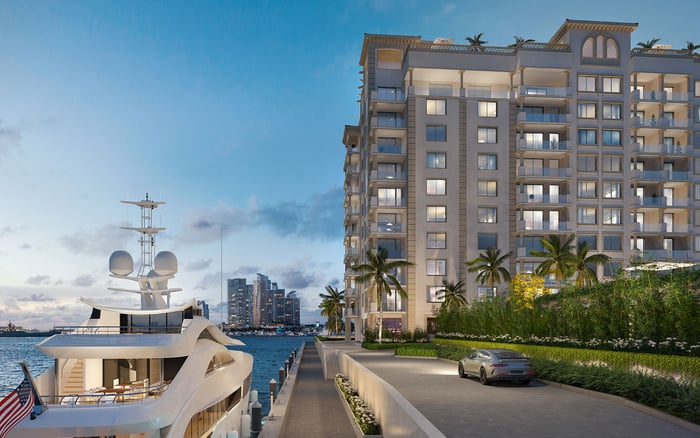
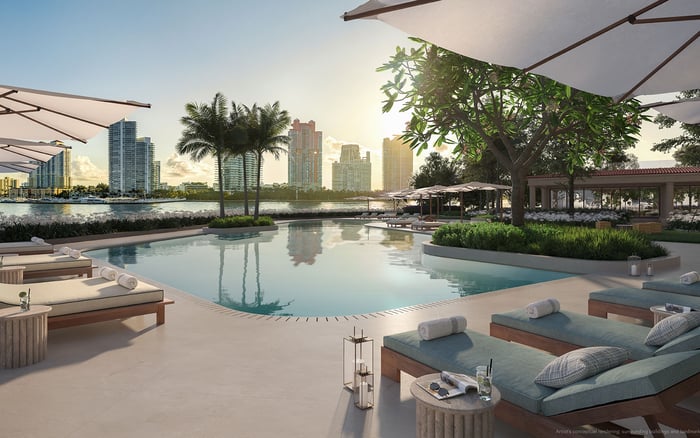
For collectors considering Six Fisher Island, a successful installation begins before closing. Separate artwork approval from contractor access, establish wall suitability in writing, and confirm current insurance requirements before arranging delivery.
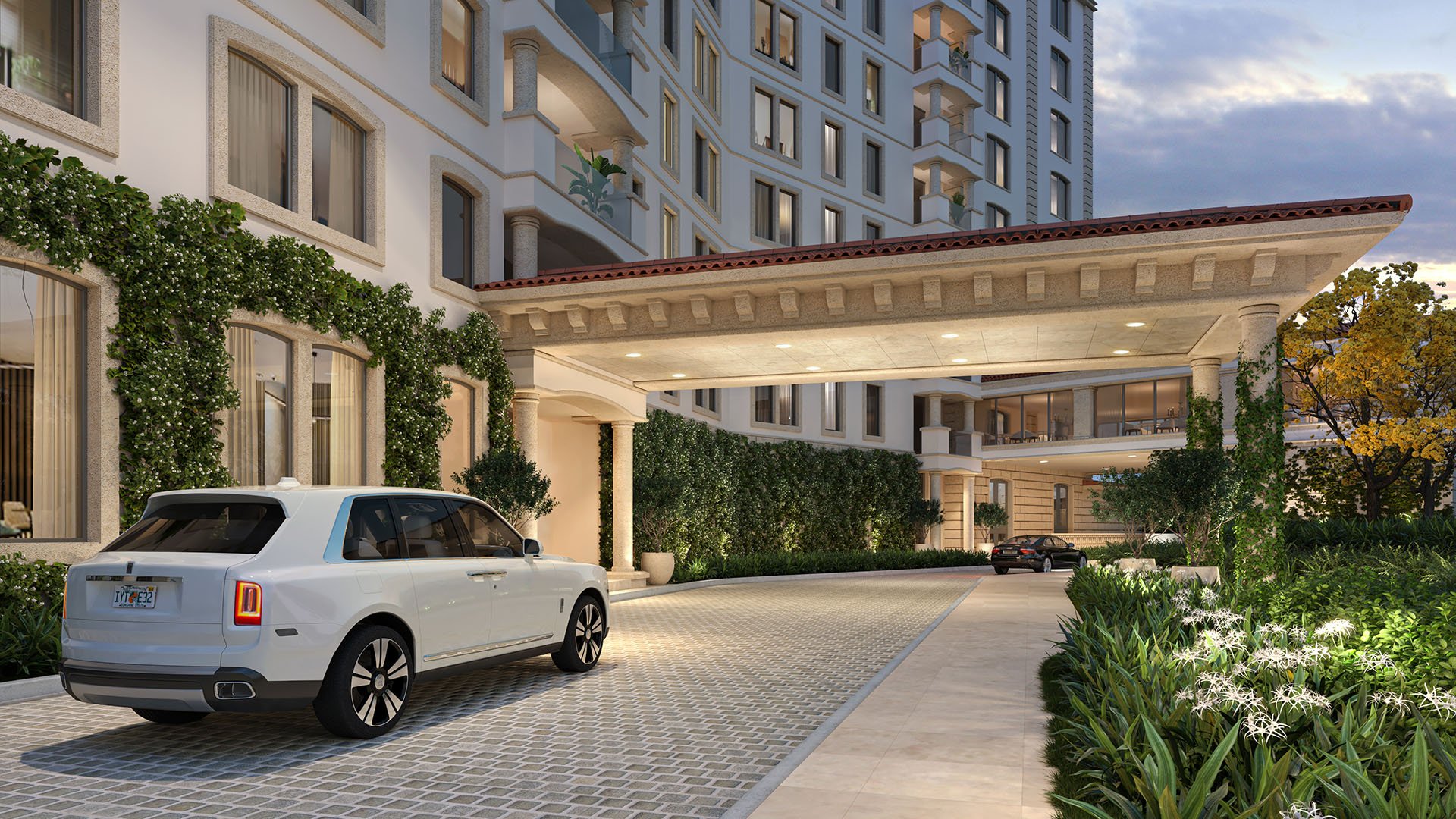
An important artwork deserves more than the right sightline. It deserves a residence whose approval process, mounting conditions, and delivery arrangements have been considered well before installation. At The Residences at Six Fisher Island, that preparation belongs alongside questions of layout, finishes, and ownership documents.
The residences are marketed with three to eight bedrooms and approximately 3,872 to more than 15,000 square feet. Those dimensions convey residential scale, not proof that a particular wall can accommodate a particular work. For a collector, the essential distinction is between space for art and documented suitability for its installation.
Three matters should remain separate: permission for the proposed installation, technical confirmation of mounting conditions, and clearance for the people performing the work. Resolving one does not resolve the others.
Before closing, request the current condominium rules and alteration procedures, and identify the authority responsible for approving private-residence installations. Ask whether the proposed work needs written approval, what the submission must contain, and whether drilling or wall modification changes the requirements.
If a collection materially influences the purchase, raise these questions during offer-stage discussions with counsel and the design team. Request written confirmation of suitability for the intended artwork and mounting system, rather than relying on a general assurance that art can be hung.
Buyers also considering Palazzo del Sol should apply the same discipline: obtain the documents for the specific residence rather than treating an island address as evidence of identical interior-installation rules. A useful comparison considers not just available wall length, but how clearly the approval process accommodates the collection.
No universal Six Fisher Island wall-loading limit, maximum artwork weight, or approved anchor detail is established here. Do not assume a pounds-per-anchor or pounds-per-square-foot allowance. Instead, seek a written assessment tied to the intended location and mounting proposal.
Prepare a concise installation brief with the artwork's dimensions, total weight, proposed location, and hardware. Specify whether the proposal involves a framed work, a wall-mounted sculpture, or another installation. Ask management which supporting drawings or technical information it needs and whether engineering review or permits are required.
Distinguish aesthetic placement from technical acceptance. An attractive position on an elevation does not confirm that the proposed fixing is suitable. Ask who can confirm the wall construction and whether the installation detail is acceptable for that location.
For freestanding sculpture, ask separately about placement and support requirements. Avoiding wall anchors does not necessarily eliminate review. The objective is a documented answer for the actual work, not an allowance inferred from residence size or finish quality.
Contractors and subcontractors must obtain approval from both the applicable condominium, homeowners' association, or Club representative and Fisher Island Community Association, known as FICA, before beginning work. This process addresses access and contractor compliance; it does not automatically authorize drilling into a wall.
Contractors performing renovations, modifications, maintenance, or servicing must register with FICA and comply with its contractor rules. Access clearance depends on written neighborhood approval, an executed Access and Indemnification Agreement, insurance documentation where required, and satisfactory employee background-check results. The process also requires a current list of the units, buildings, or projects where work will occur.
When coordinating a specialist installer, ask management how the proposed scope will be classified and which documentation applies. Keep installation approval and vendor-access confirmation as separate items in the project file. Neither substitutes for the other.
Exterior work requires a further distinction. Architectural Control Committee approval is required for exterior building modifications, including window and door replacement, painting, antenna placement, and satellite dishes. That requirement should not be presented as an established approval procedure for every artwork inside a private residence.
The access agreement requires a current certificate of insurance when the owner's neighborhood association requires contractor insurance. The certificate must list FICA as an additional insured where applicable. Required contractor documentation also includes business and contractor licenses and proof of general liability, automobile liability, and workers' compensation insurance.
The April 2022 rules specify minimum general liability insurance of $1 million, workers' compensation insurance of $1 million, and automobile liability limits of at least 100/300/100 per vehicle. These dated requirements need confirmation; they do not guarantee the limits that will apply when an installation is scheduled.
Under those rules, work outside Club property requires FICA to be listed as an additional insured; work on Club property requires both Fisher Island Club and FICA. Before requesting the certificate, obtain current instructions from FICA and condominium management on limits, required insured entities, and endorsements.
Then ask the installer's insurance representative to prepare the documentation for review. Do not commit to delivery on the assumption that an existing certificate will be accepted unchanged. Contractor-process questions can be directed to Public Safety at (305) 695-3075 or [email protected].
The arrival of a collection should feel composed, but its logistics need explicit confirmation. Ask about loading windows, service-elevator arrangements, floor protection, staging space, vehicle clearance, and any requirements for freestanding sculpture. Treat each as a question for management, not an established Six Fisher Island rule.
For buyers weighing Palazzo della Luna alongside Six Fisher Island, these questions offer a useful ownership comparison without assuming the properties share delivery arrangements. Request property-specific answers and give them to the art handler before scheduling.
A practical sequence is to settle the proposed location, obtain the necessary installation and technical confirmations, clear the vendor, and confirm the delivery route. Keep those records together so the owner, designer, installer, and management work from the same approved scope.
Artwork shown or described for Six Fisher Island may be loaned to the condominium association rather than owned by it. Artwork installed at condominium completion may also be removed before association turnover and may or may not be replaced.
That disclosure concerns association artwork. It neither establishes an owner's right to install a private collection nor supplies a mounting standard inside a residence. Evaluate the shared artistic setting separately from the permissions needed for your own works.
A considered purchase brings both perspectives together: appreciation for the setting and precision about what ownership will allow. Before installation day, seek written clarity on the artwork, the wall, the vendor, and the route into the residence.
For a discreet conversation about matching a South Florida residence to your collection and ownership priorities, connect with MILLION.
If branded residences are on your mind — as a home or as an allocation — we would be glad to share what we are seeing, privately.
Begin a quiet conversationThe residences are marketed with three to eight bedrooms and approximately 3,872 to more than 15,000 square feet. Residence size does not establish a wall's suitability for artwork.
No property-specific wall-loading limit or maximum artwork weight is established here. Request written confirmation for the intended wall, artwork, and mounting system.
No. Contractor access clearance should be kept separate from permission to drill, modify a wall, or install a particular artwork.
Request current condominium rules, alteration procedures, and identification of the responsible approval authority. Seek written confirmation of suitability for the proposed artwork and mounting system.
Prepare the artwork's dimensions, weight, proposed mounting locations, and hardware. Ask management whether drawings, engineering review, or permits are required.
It requires applicable neighborhood approval, an executed Access and Indemnification Agreement, satisfactory employee background checks, and insurance documentation where required. Contractors must also provide a current list of work locations.
The rules specify $1 million in general liability insurance, $1 million in workers' compensation insurance, and automobile liability limits of at least 100/300/100 per vehicle. Confirm current requirements before scheduling work.
Under the April 2022 rules, projects outside Club property must list FICA; projects on Club property must list both Fisher Island Club and FICA. Confirm current entities and endorsements with FICA and condominium management.
No. Artwork may be loaned rather than owned by the association, and artwork installed at completion may be removed before turnover with or without replacement.
Contractor-process questions can be directed to Public Safety at (305) 695-3075 or [email protected]. Private-unit installation permissions should be addressed separately with the responsible condominium authority.