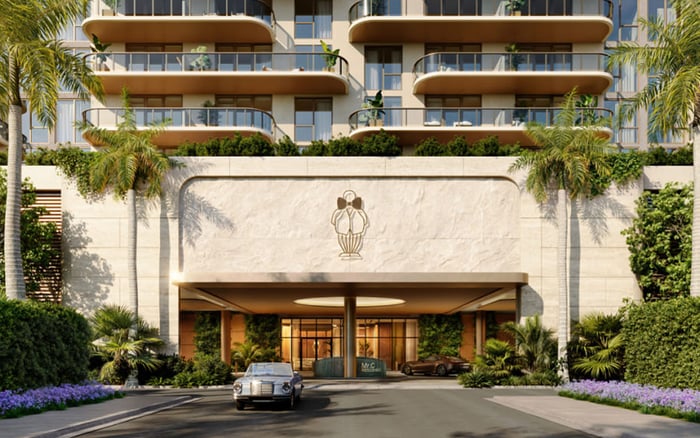
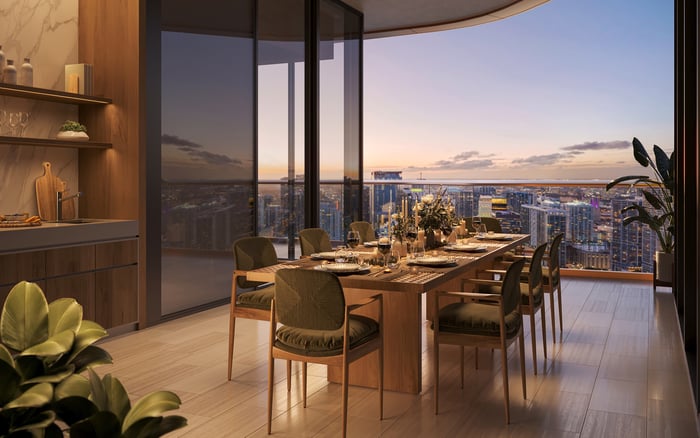
An ownership-focused review of the planned wellness amenities at Mandarin Oriental Boca Raton, with practical questions on booking rights, outside trainers, acoustic performance, and binding documentation.
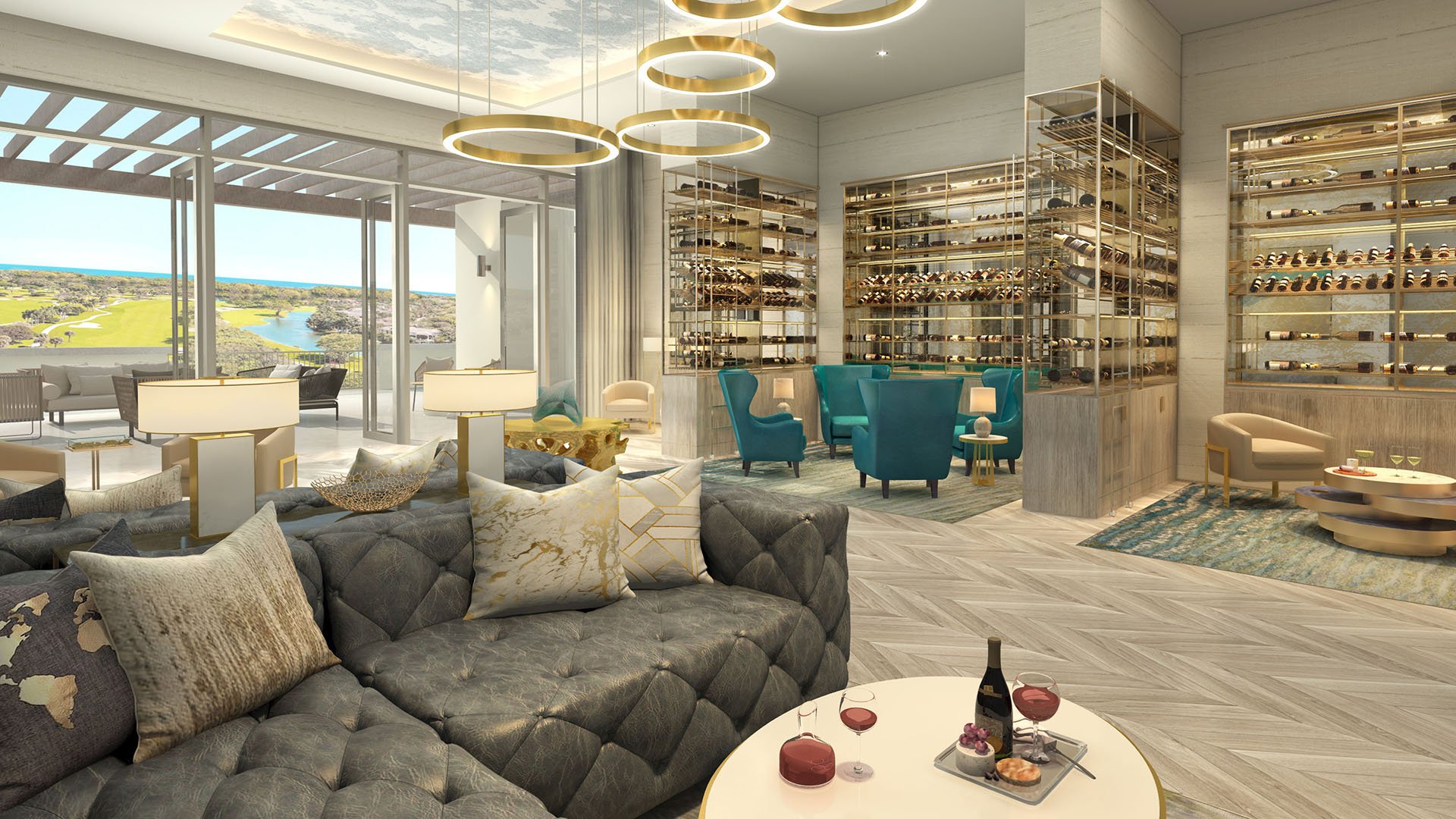
For a luxury residence, a fitness room earns its value by supporting the owner's routine without compromising the quiet of home. At The Residences at Mandarin Oriental Boca Raton, the practical review turns on three questions: how access will be allocated, who may provide personal instruction, and how activity will be acoustically separated from residential life.
The property is marketed at 105 E. Camino Real in Boca Raton, within Via Mizner. It is listed as an upcoming residence, so the advertised fitness centre, meditation garden, private instruction, and group classes should be understood as planned offerings-not confirmed operational facilities. They describe the intended experience; they do not guarantee session availability.
For buyers evaluating Branded Residences, that distinction matters. A compelling wellness concept needs written rules explaining how it will function when owners want to use it.
Publicly available project details do not specify whether classes, private instruction, or individual equipment will require reservations. Nor do they establish a booking platform, reservation lead times, recurring-booking rules, waitlists, or cancellation and no-show policies. These remain unresolved ownership questions, not evidence that such policies will be absent.
Request a written explanation that separates ordinary fitness-room access from scheduled classes and private sessions. The right to enter the room does not establish whether a preferred instructor, appointment, or piece of equipment will be available.
The most useful reservation rules should address:
Booking channels, advance-booking windows, and session lengths.
Peak-time priority, recurring appointments, and per-residence limits.
Guest participation, waitlists, cancellations, and no-show charges.
Blackout periods and procedures when scheduled instruction changes.
Capacity matters as much as convenience. A complete equipment inventory, fitness floor area, operating schedule, and resident-to-equipment ratio have not been publicly established. Neither have fitness occupancy limits or class-size limits. Request these details alongside the booking rules to evaluate access in practical rather than promotional terms.
If any facilities overlap with hotel or club use, request a clear account of eligibility and priority among residents, hotel guests, club members, and invited guests. Neither shared access nor resident priority should be assumed.
The planned private instruction offering does not establish an owner's right to bring a personally selected trainer or outside practitioner. For a buyer with a longstanding training relationship, that distinction may matter more than the equipment selection.
The property's trainers and minimum professional qualifications have not been publicly identified. Requirements for certifications, CPR/AED training, liability insurance, background screening, and applicable professional licensing are also not publicly specified. Brand-wide wellness programming should not be treated as a Boca Raton-specific practitioner roster or booking policy.
Ask management to distinguish property-provided instruction from outside-provider access. For an outside trainer, obtain written approval terms covering credential checks, insurance, registration, permitted areas, access hours, escort requirements, and fees. Clarify whether approval applies to an individual practitioner, requires renewal, or can be withdrawn under stated conditions.
For property-provided instruction, request the expected qualification standards and the process for securing a preferred practitioner. An advertised service is not a guaranteed appointment. Owners should also clarify which charges, if any, fall outside ordinary residential expenses rather than infer inclusion from amenity language.
The meditation garden appears in the planned description of spaces for private instruction and group classes. This suggests programming may extend beyond the main fitness room, but it does not establish a schedule, class capacity, or exclusive-use arrangement.
Ask whether the garden is intended for unscheduled individual use, organized sessions, or both. If classes are contemplated, request the planned hours, booking requirements, guest rules, and any restrictions on amplified instruction or music. These questions connect wellness access with the quiet owners may expect from a garden setting.
The Boca Raton resort is a different property. Its fitness hours and access arrangements should not be used to fill gaps in this residence's operating terms.
Acoustic comfort warrants the same specificity as a floor plan. Public project details do not establish acoustic specifications for residences, fitness areas, mechanical systems, corridors, doors, glazing, or party walls. No verified STC airborne-sound rating or IIC impact-sound rating has been publicly identified for the project.
The appropriate response is to request documentation, not infer poor performance. Ask for architectural and engineering specifications, STC and IIC targets, fitness-area isolation details, and mechanical-vibration controls. Request any available field-test results and an explanation of post-delivery remedies if agreed performance is not achieved.
Sound-control restrictions on class and facility hours are likewise not publicly established. Ask whether operating rules will address amplified music, equipment use, and other activity relevant to neighboring residences. Review construction measures and operating restrictions together; neither should be presumed to substitute for the other.
Make the review unit-specific. Request plans showing the proposed residence's relationship to fitness and class areas, the meditation garden, pools, elevators, service and loading areas, mechanical rooms, and hotel back-of-house spaces. These are relationships to check, not assertions about a particular home's exposure.
Buyers also considering Alina Residences Boca Raton should apply the same questions: usable access, instructor eligibility, capacity, and documented acoustic performance. The purpose is not to assume identical arrangements, but to compare the rights and conditions attached to each residence.
Likewise, a shortlist including Glass House Boca Raton benefits from a consistent document request. Compare written answers rather than amenity adjectives. This is the central discipline of useful Buyer's Guides: translating an appealing lifestyle into an ownership experience that can be evaluated.
Before purchase, reconcile promotional descriptions with condominium documents, operating agreements, and final construction specifications. Ask counsel to identify which access rights, services, approval procedures, and acoustic commitments are binding, and which remain subject to future decisions or change.
A concise diligence file should contain reservation rules, trainer-access terms, a capacity and equipment description, unit-specific acoustic documentation, and the relevant remedy provisions. Where answers remain unresolved, assess how much the proposed home depends on those features working as hoped.
The objective is not to diminish the planned wellness offering. It is to establish whether it can support a particular owner's daily routine while preserving residential calm.
For a discreet, ownership-focused approach to your South Florida residential search, explore MILLION.
If branded residences are on your mind — as a home or as an allocation — we would be glad to share what we are seeing, privately.
Begin a quiet conversationThe property is marketed at 105 E. Camino Real, Boca Raton, Florida, within the Via Mizner development.
The property is listed as an upcoming residence. Its fitness centre, meditation garden, private instruction, and group classes should therefore be described as planned offerings.
Publicly disclosed details do not specify whether classes, private sessions, or individual equipment require reservations. Obtain written rules distinguishing general access from scheduled services.
A booking platform, lead times, recurring-booking rules, waitlists, and cancellation or no-show policies have not been publicly established.
Public disclosures do not establish access priority if facilities overlap. Ask for written eligibility and priority rules without assuming shared use or resident exclusivity.
Advertising private instruction does not establish permission to bring an outside trainer. Obtain written approval terms covering credentials, insurance, access, and fees.
The trainers and minimum qualifications have not been publicly identified. Ask about certification, CPR/AED training, insurance, screening, and any applicable licensing requirements.
The planned description suggests programming may extend into the meditation garden. It does not establish a schedule, capacity, or exclusive-use arrangement.
No verified project-specific STC or IIC rating has been publicly identified. Request acoustic targets, construction specifications, available field-test results, and post-delivery remedies.
Review condominium documents, operating agreements, and final construction specifications alongside promotional descriptions. Seek written reservation rules, trainer-access terms, and unit-specific acoustic information.