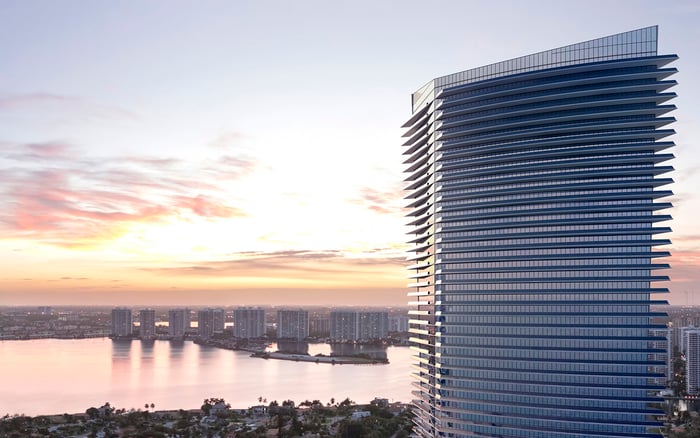
A seller-financed condominium purchase calls for a precise flood-insurance review: association protection, personal contents, effective dates and temporary housing must each be addressed before closing.
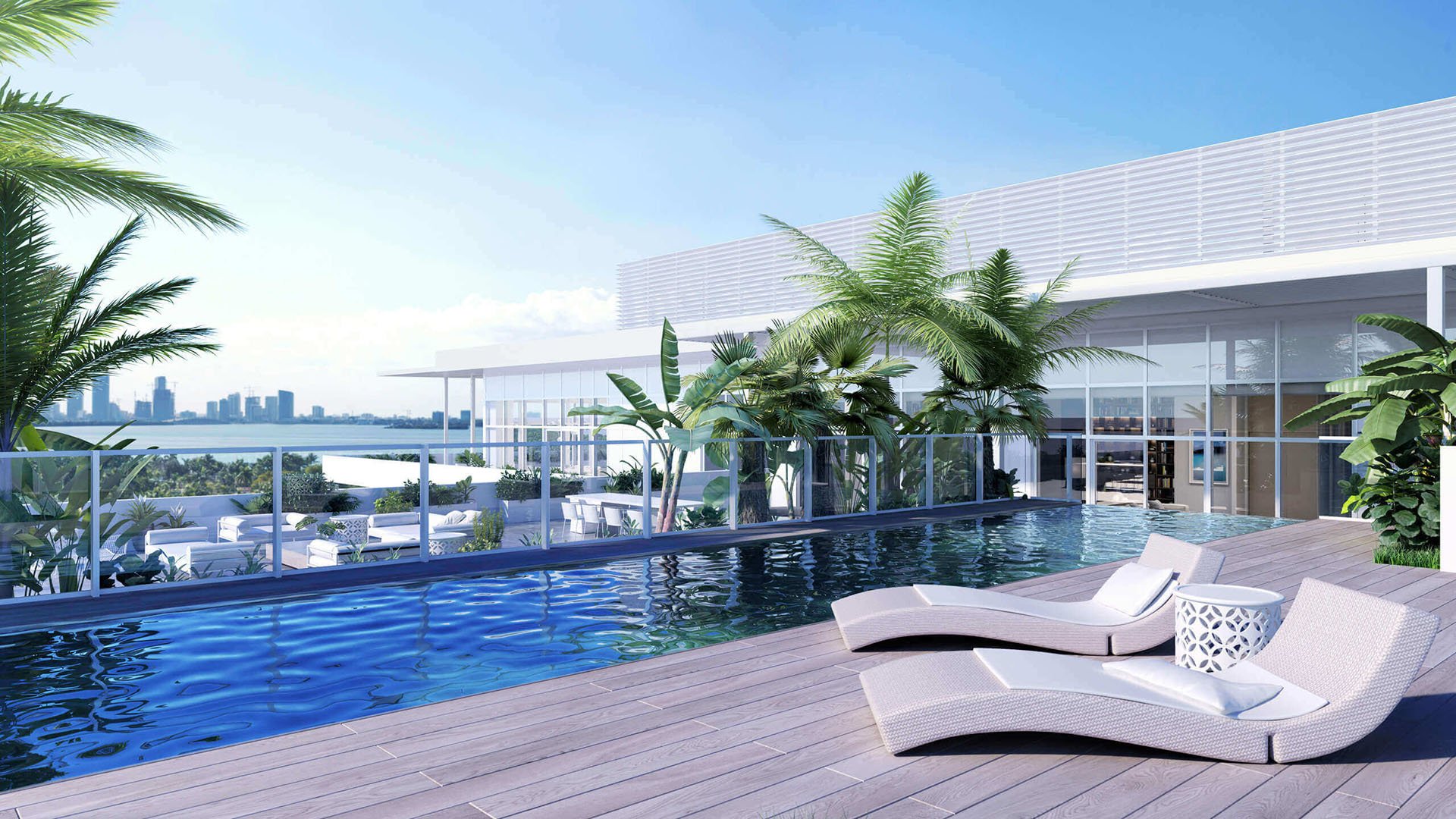
In a seller-financed luxury condominium purchase, flood insurance warrants its own closing agenda. Four questions require separate answers: what protects the building, what protects the buyer’s possessions, when each policy takes effect, and who funds temporary accommodation if flood damage makes the residence uninhabitable.
A seller-held note does not, by itself, answer any of them. Nor does a substantial purchase price establish the amount recoverable under a flood policy. The objective is to align the association’s protection, the owner’s coverage and the financing documents before funds change hands.
For a buyer considering The Perigon Miami Beach, the same Miami Beach due-diligence principle applies: assess insurance through the actual documents, not the residence’s positioning. Project references here are illustrative, not statements about a building’s coverage or the availability of seller financing.
The National Flood Insurance Program, or NFIP, uses a Residential Condominium Building Association Policy, known as an RCBAP, for eligible condominium buildings. Individual unit-owner coverage uses a separate Dwelling Form.
An RCBAP covers insured building property, including common elements and covered interior improvements. Buyers should avoid two opposing assumptions: that everything inside the unit requires separate insurance, or that the association insures everything they own. The dividing line is covered property, not simply the unit’s front door.
The RCBAP building limit is generally the lesser of the building’s replacement cost or $250,000 multiplied by its number of units. That formula is not an allowance tied to individual condominium sale prices. Association-owned contents can be insured for up to $100,000 per building, not per unit.
The association’s RCBAP does not insure an individual owner’s furniture, clothing, electronics or other personal possessions. Request the association’s flood declarations and limits, along with confirmation of any building-level private or excess flood insurance. Ask the insurance adviser to identify covered interior improvements before recommending additional protection.
New NFIP coverage generally carries a 30-day waiting period unless a recognized exception applies. Neither a signed purchase agreement nor an approaching closing date should be mistaken for an exception.
Coverage purchased in connection with making, increasing, extending or renewing a loan can qualify for no waiting period, taking effect at loan closing. The application and premium must be handled at or before closing in accordance with the applicable submission requirements.
For seller financing, treat this as conditional eligibility, not an automatic benefit of the note. Obtain written confirmation from the flood insurer and closing counsel that the transaction qualifies, the required documentation will be submitted correctly, and the intended effective date is supported.
Contents-only coverage requires particular attention. It generally retains the 30-day wait unless the contents secure the loan. Closing on the real estate alone is not sufficient reason to assume an immediate start for personal-property protection.
A separate exception can provide a one-day waiting period for a qualifying insurance purchase within 13 months of a map revision newly placing the building in a Special Flood Hazard Area. This is a specific exception, not a general shortcut.
For a Brickell purchase involving Una Residences Brickell, place effective-date confirmation alongside the financing milestones on the closing checklist. Do not leave it as a post-closing administrative task.
Federal lender flood-insurance requirements apply to covered lending institutions and qualifying loans. Do not assume they apply to an individual seller providing financing. For regulated lenders, required flood coverage must be in place by the loan closing date.
These requirements and the NFIP waiting-period exception are separate questions. Whether a seller is subject to a particular federal lending requirement does not establish whether a proposed policy qualifies to take effect at closing.
Have closing counsel address the seller-note terms and the insurer address policy eligibility. The practical goal is a written understanding of required coverage and effective dates, without assuming that the financing arrangement itself supplies protection.
An individual condominium owner can purchase NFIP contents coverage up to the residential limit of $100,000. For a carefully furnished residence, that ceiling may leave a substantial gap. The settlement basis matters as much as the limit: NFIP contents claims are paid at actual cash value, with depreciation deducted, rather than on a replacement-cost basis.
For someone evaluating Jade Signature Sunny Isles Beach, the Sunny Isles Beach address is no substitute for a personal-property inventory. Document furnishings, clothing and electronics, then ask the adviser to compare their values with the proposed policy’s limits and settlement terms.
Private flood insurance can offer building and contents limits above NFIP caps, either as alternative primary coverage or as excess coverage. Some policies offer replacement-cost contents settlement. Confirm availability and terms for the particular placement; do not assume a private policy includes every desired feature.
When combining association, unit-owner and excess policies, review covered property, deductibles and payment priority. Do not simply add their stated limits together as though every policy responds to the same loss.
NFIP excludes additional living expenses and loss of use. It does not pay for hotels or temporary rentals when flood damage makes the unit uninhabitable. It also excludes loss of access and lost revenue or profits, so physical-damage insurance must not be presented as income protection.
Some private flood policies offer additional living expenses. Ask whether temporary housing caused by flood damage is covered, what monetary limits and duration apply, and whether inaccessible but physically undamaged premises qualify. These distinctions matter when the household’s concern is maintaining continuity, not merely repairing property.
Additional living expense coverage should not be described as mortgage-payment protection or a guarantee against seller-note default. Keep the temporary-housing budget and the financing obligations separate in the buyer’s planning.
Before closing, assemble the association’s flood declarations, the proposed owner policy, any private or excess coverage documents, and written effective-date confirmation. Ask the adviser to reconcile coverage for building improvements, personal contents and displacement benefits across the policies.
Private flood waiting periods can differ from the NFIP’s standard 30 days, but any shorter period or immediate effective date requires confirmation for the specific placement. Obtain that confirmation before relying on it in the closing schedule.
The final decision should distinguish insured losses from expenses the buyer will bear. Precision here protects the quality of ownership as much as the transaction itself.
For a considered approach to South Florida luxury condominium ownership, explore MILLION.
If branded residences are on your mind — as a home or as an allocation — we would be glad to share what we are seeing, privately.
Begin a quiet conversationThe association’s RCBAP does not insure an individual owner’s furniture, clothing, electronics or other personal possessions. Owners should evaluate separate contents coverage.
The limit is generally the lesser of the building’s replacement cost or $250,000 multiplied by its number of units. It is not based on condominium sale prices.
No. Association-owned contents can be insured for up to $100,000 per building, not per unit.
No. Closing-date effectiveness depends on documented eligibility for the loan exception and compliance with application and premium submission requirements.
NFIP contents-only coverage generally retains the 30-day waiting period unless the contents secure the loan. The real-estate closing alone should not be treated as sufficient.
A qualifying insurance purchase within 13 months of a map revision newly placing the building in a Special Flood Hazard Area can receive a one-day waiting period.
No. NFIP contents claims are settled at actual cash value, deducting depreciation, and residential contents coverage is limited to $100,000.
No. NFIP excludes additional living expenses and loss of use, including hotels or temporary rentals when flood damage makes the unit uninhabitable.
Private flood can offer limits above NFIP caps, and some policies include replacement-cost contents settlement or additional living expenses. Each feature and effective date must be confirmed in the specific placement.
It should not be treated as mortgage-payment protection or a guarantee against default. Buyers should plan for financing obligations separately from covered temporary-housing expenses.