A buyer-focused guide to coordinating condominium master insurance and personal coverage, from replacement-cost appraisals and wind deductibles to assessment protection and annual renewal reviews.
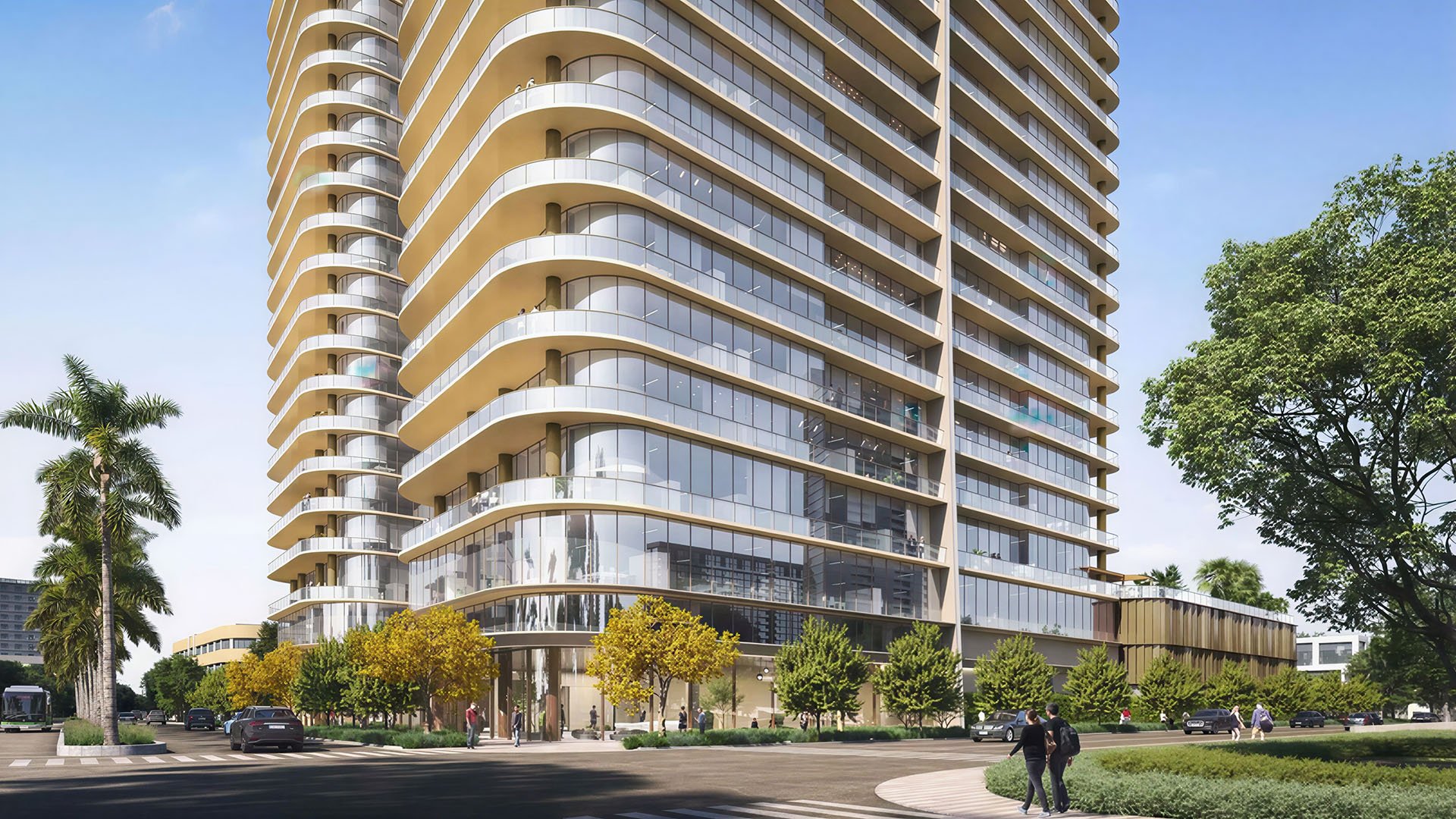
A considered luxury acquisition looks beyond the residence to the obligations of ownership. For buyers evaluating St. Regis® Residences Sunny Isles and Kempinski Residences Miami Design District, insurance deserves the same attention as the contract: what the association protects, what remains the owner’s responsibility, and how a shared loss could become an individual expense.
The essential distinction is between the association’s master policy and the owner’s HO-6 policy. They serve different purposes and should be reviewed together. Neither a prestigious address nor a substantial personal policy limit establishes that every potential exposure is covered.
For both projects, master-policy limits, wind-deductible percentages, flood terms and assessment-allocation formulas remain unverified. The framework below identifies what buyers should establish in writing, without assigning either property an assumed insurance profile.
Replacement cost is the expense of rebuilding, including labor and materials. It is not a residence’s purchase price or potential resale value. An acquisition budget cannot substitute for an insurance valuation.
Florida condominium associations must base property insurance on replacement cost, supported by an independent appraisal updated at least every 36 months. Buyers should obtain the latest appraisal and review it alongside the current master-policy documents. The appraisal establishes a valuation; the policy specifies insurance limits. The documents answer related questions but are not interchangeable.
Ask an insurance adviser to explain how the appraisal relates to the insured values and coverage limits. Establish what has been valued, what has been insured, and which exclusions or deductibles remain relevant.
For an owner contemplating customized interiors, a separate review is essential. Confirm adequate HO-6 protection for improvements and betterments rather than assuming the building’s replacement-cost appraisal establishes the right personal coverage.
Contract diligence should produce a usable set of documents, not merely reassurance that the association carries insurance. Request the latest insurance appraisal, master-policy declarations, endorsements, limits, exclusions and complete deductible schedule.
Also request recent claims history and disclosures of pending or proposed assessments. These materials help frame financial questions that policy limits alone cannot answer. Review the declaration and ownership percentages, which may affect how a shared obligation is allocated to an individual owner.
If a document describes proposed rather than current coverage, ask for that distinction to be made explicit and revisit the terms before closing. Resolve outstanding coverage questions through written clarification with the appropriate insurance and legal advisers, rather than carrying assumptions into ownership.
For a Sunny Isles Beach buyer also considering Bentley Residences Sunny Isles, the same document checklist provides a consistent basis for comparison. It does not establish equivalent insurance terms across properties; each association’s actual documents must support the analysis.
Association wind deductibles are commonly expressed as a percentage of insured building value rather than a fixed dollar amount. A seemingly modest percentage can represent a substantial building-level obligation.
The starting calculation is straightforward: multiply the policy’s applicable insured value by the applicable deductible percentage. Confirm both inputs in the policy before using the result. This estimates the building-level deductible-not an individual owner’s bill or a guaranteed assessment.
The next step is allocation. Do not divide the result equally by the number of residences unless the governing provisions support that approach. Review the declaration, ownership percentages, and applicable statutory and policy provisions to establish how an obligation would be assigned.
Keep two exposures distinct. The association’s wind deductible can generate an owner assessment. The owner’s personal hurricane deductible applies to covered damage under the owner’s own policy. Understanding one does not resolve the other, and calculating an assessment does not establish that the HO-6 policy will reimburse it.
Florida unit-owner residential property policies must include at least $2,000 in property loss-assessment coverage for all assessments arising from the same covered direct property loss, regardless of the number of assessments. The statutory deductible for this coverage may not exceed $250 per direct property loss.
Those figures are a legal baseline, not a recommended coverage amount or an estimate of potential exposure. The minimum may fall well short of a major hurricane-related assessment.
A high overall loss-assessment limit does not necessarily cover an equally large assessment arising from the master-policy deductible. Separate sublimits or restrictions may apply. Ask the adviser to identify the overall limit, then explain separately the protection available for an assessment attributable to the association’s deductible.
Coverage generally requires an underlying covered loss. It is not blanket protection against reserve contributions, deferred maintenance or capital-improvement assessments. For any proposed assessment, establish its cause before considering whether insurance might respond. The label “special assessment” alone does not settle that question.
An HO-6 policy typically addresses specified interiors, improvements, personal belongings, liability, additional living expenses and certain assessments, subject to its terms. Review each category rather than treating personal coverage as a single undifferentiated limit.
Confirm replacement-cost settlement for belongings and adequate protection for improvements and betterments. Then examine the deductible structure: hurricane or named-storm, all-other-perils, water-damage and loss-assessment provisions may differ. Do not assume one deductible applies throughout the policy.
Flood requires a separate inquiry. Wind coverage does not substitute for flood coverage. Verify whether the association maintains a separate flood policy, examine its limits and deductibles, and ask the adviser to identify any remaining owner-level needs. Neither the association’s wind policy nor the residence’s location answers the flood-coverage question by itself.
Closing completes the acquisition, not the insurance work. At each renewal, compare the owner’s coverage with the association’s current appraisal and insurance terms. Review reserve information, inspection documentation and wind-mitigation documentation alongside them.
Revisit the deductible calculation and allocation provisions, then check the HO-6 loss-assessment limit and any restrictions on master-policy deductible assessments. Confirm that improvements and belongings remain appropriately covered. A useful renewal review should leave the owner with a clear account of insurance protection and potential out-of-pocket obligations.
For either project, the goal is not to choose coverage by a generic rule of thumb. It is to coordinate the association’s actual terms with the residence’s personal policy, first during contract diligence and then throughout ownership.
Explore South Florida residences with an ownership-focused perspective at MILLION.
If branded residences are on your mind — as a home or as an allocation — we would be glad to share what we are seeing, privately.
Begin a quiet conversationReplacement cost is the expense of rebuilding, including labor and materials. It is distinct from a residence’s purchase price or resale value.
Florida condominium associations must support replacement-cost property insurance with an independent appraisal updated at least every 36 months.
Master-policy limits, wind-deductible percentages, flood terms and assessment-allocation formulas for both projects remain unverified. Buyers should establish them through written insurance and governing documents.
Request the latest appraisal, master-policy declarations, endorsements, limits, exclusions and deductible schedule. Review recent claims history and pending or proposed assessments alongside those documents.
Multiply the policy’s applicable insured value by the applicable deductible percentage. The result estimates the building-level deductible, not an individual owner’s assessment.
Do not assume equal allocation. Review the declaration, ownership percentages, and applicable statutory and policy provisions to establish how an obligation would be assigned.
Florida unit-owner residential property policies must include at least $2,000 for all assessments arising from the same covered direct property loss. The statutory deductible for this coverage may not exceed $250 per direct property loss.
Not necessarily, because separate sublimits or restrictions may apply to assessments attributable to the association’s deductible. Review those terms separately from the overall loss-assessment limit.
Loss-assessment coverage generally requires an underlying covered loss. It is not blanket protection for reserve contributions, deferred maintenance or capital improvements.
Wind coverage does not substitute for flood coverage. Verify whether the association carries a separate flood policy, review its limits and deductibles, and assess remaining owner-level needs.