A buyer-focused review of hurricane preparation at 2000 Ocean, separating unit-level storm-protection details, balcony obligations, and unresolved owner-absence requirements from assumptions about building services.
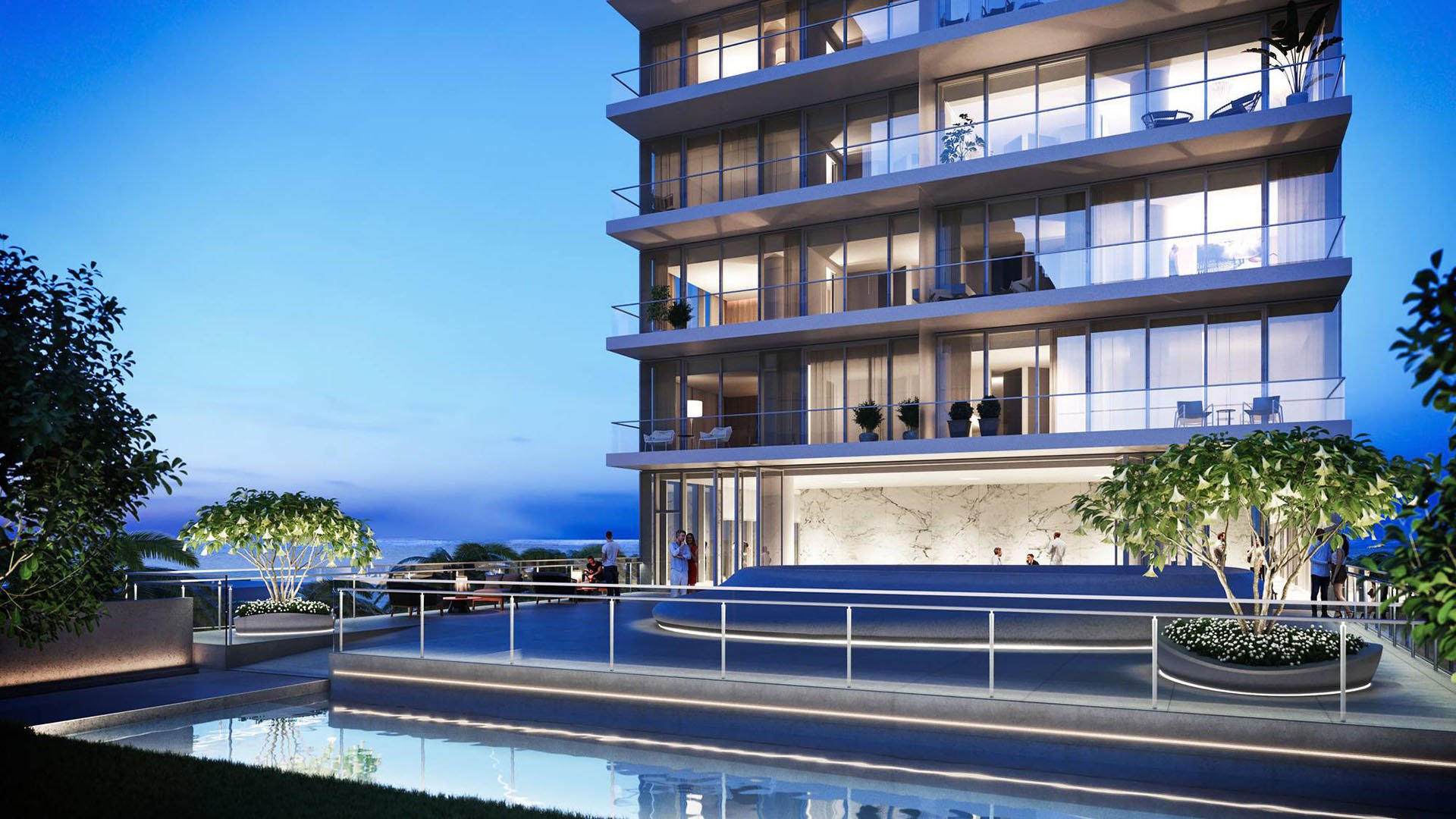
At 2000 Ocean Hallandale Beach, the pre-purchase conversation should extend beyond the residence to what happens when its owner is elsewhere. For a seasonal household, hurricane readiness is an operational consideration: someone must understand the rules, have authorized access, and complete the required preparation.
The property is at 2000 S Ocean Drive, Hallandale Beach, Florida 33009. Buyers should distinguish three separate matters: the residence’s physical protection, the treatment of loose balcony objects, and another person’s authority to act while the owner is absent. None substitutes for the others.
A thorough purchase review should establish the applicable requirements in writing, then test whether the owner’s proposed arrangements can meet them. This is not a building-wide engineering assessment or a finding that the property has a particular operational deficiency.
Unit-specific details make outdoor preparation tangible. Unit 14B is identified as having an open balcony. Historical details for Unit 25A describe 475 square feet of balconies alongside 2,913 square feet of interior space. Those figures apply to that residence, not every floor plan.
The practical question is what must happen to everything placed outside. Before purchasing furnishings, map out where movable pieces could be stored inside and who would move them. A generous outdoor area warrants a preparation plan proportionate to its contents.
An archived Hallandale Beach municipal provision requires owners or occupants to remove or secure all loose objects on balconies, open terraces, and unenclosed yards when the National Hurricane Center issues a hurricane watch advisory. The stated trigger is the issuance of a watch, not a deadline before one.
Confirm the currently applicable municipal language and the association’s own deadlines. Earlier preparation may be prudent, but that recommendation is distinct from the archived provision’s wording.
Unit 25A’s historically described storm protection is “Clear Impact Glass.” That is a specific marketing description, not a building-wide engineering conclusion or a guarantee of performance under every condition.
It does not establish an exemption from balcony clearance. Glass protection and loose-object preparation address different questions. Buyers should request the relevant documentation for the residence and, where appropriate, ask a qualified professional to evaluate its protection.
Florida condominium law requires residential and mixed-use condominium boards to adopt hurricane-protection specifications for each building. Those specifications may address color, style, and other board-selected factors. Request the association’s adopted specifications rather than assuming a proposed protective installation will be acceptable.
Keep three questions distinct: what protection exists, what alterations are permitted, and what storm-time actions remain the owner’s responsibility. A clear answer to one does not resolve the other two.
A requirement for prior written permission for prolonged absence at 2000 Ocean is not established here. Neither is a particular mandatory form for appointing a storm-preparation agent. Resolve these matters through the governing documents and written management clarification, rather than assumptions about full-service ownership.
Ask whether the association requires notice of extended absence, an emergency contact, a designated local representative, or an authorization allowing entry. If authorization is required, confirm its scope, duration, and acceptance procedure. Permission to enter is distinct from an obligation to perform preparation work.
The proposed representative should also understand the physical task. Can that person move the furnishings, reach the residence in time, and gain entry under the applicable procedures? Ask what happens if the first contact is unavailable and whether a backup may be designated.
For households also considering Shell Bay by Auberge Hallandale, the same document-first approach is useful. It provides a comparison framework, not an indication that the two properties share absence or hurricane policies.
Other condominium procedures illustrate why responsibility and cost warrant explicit questions. At Jade Signature Sunny Isles Beach, hurricane procedures require removal of balcony furniture, plants, and personal property, recommend advance precautions for absentee owners, and provide for potential charges for preparation assistance.
These are comparison points, not 2000 Ocean rules. They underscore the distinction between an owner’s duty and any assistance an association might offer. They do not establish whether comparable assistance is available at 2000 Ocean, what it would cost, or when it could be requested.
Ask management whether staff or approved contractors may perform preparation, whether arrangements must be made in advance, and whether charges or service limitations are set out in writing. Confirm which securing methods, if any, are acceptable. The municipal phrase “remove or secure” should not be read as blanket approval for a buyer’s preferred method.
Hallandale Beach’s vacation-rental requirements address a different regulatory situation. They call for a completed, notarized application signed by the property owner, property manager, or authorized agent and submitted with the fee. They also call for a rental agent available around the clock and someone able to be present within 60 minutes.
Additional requirements include an end-of-rental inspection, an evacuation-route map, and proof of compliance with building and fire codes. Evaluate these requirements if vacation-rental use forms part of the purchase plan.
They do not establish that 2000 Ocean permits vacation rentals. Nor does the authorized-agent language establish a general authorization requirement for an owner who simply spends time elsewhere. Review leasing permissions separately from emergency access and absence procedures, with counsel where appropriate.
Request the declaration, bylaws, current rules, hurricane plan, adopted hurricane-protection specifications, and any applicable authorization forms. Read them together, then seek written clarification wherever responsibility, timing, or access remains unclear.
The resulting plan should identify the preparation trigger, the permitted treatment of outdoor objects, the person responsible, the means of entry, and any potential charges. An interior storage plan and photographs documenting completed preparation are sensible planning measures, not asserted association requirements.
Unanswered questions about services or authorizations are reasons to continue diligence, not proof of a defect. The objective is a residence whose ownership arrangements suit the buyer’s actual travel pattern. A considered plan preserves the pleasure of outdoor living without relying on unconfirmed promises about who will look after the space.
For a discreet conversation about aligning your South Florida purchase with your ownership needs, connect with MILLION.
If branded residences are on your mind — as a home or as an allocation — we would be glad to share what we are seeing, privately.
Begin a quiet conversation2000 Ocean is at 2000 S Ocean Drive, Hallandale Beach, Florida 33009.
Unit 14B is described as having an open balcony. Historical details for Unit 25A describe 475 square feet of balconies and 2,913 square feet of interior space; those dimensions are not building-wide specifications.
The archived excerpt specifies issuance of a National Hurricane Center hurricane watch advisory. Confirm current municipal requirements and the association’s own deadlines before relying on that timing.
The archived municipal language requires removal or securing of loose objects. Confirm the association’s permitted methods rather than assuming a particular securing arrangement is acceptable.
No exemption is established by the unit-level impact-glass description. Treat physical protection and loose-object clearance as separate review items.
Request the association’s adopted specifications under Florida Statutes §718.113. These may address color, style, and other board-selected factors.
That requirement is not established here. Review the governing documents and obtain written clarification about absence notices, emergency contacts, and any applicable authorization forms.
No preparation service or charge at 2000 Ocean is established here. Ask management to confirm availability, advance arrangements, access requirements, and potential costs in writing.
No. The municipal checklist does not establish the condominium’s leasing permissions, and its agent requirements should not be treated as general absentee-owner rules.
Request the declaration, bylaws, current rules, hurricane plan, adopted protection specifications, and applicable authorization forms. Use them to clarify deadlines, responsibilities, entry arrangements, and potential charges.