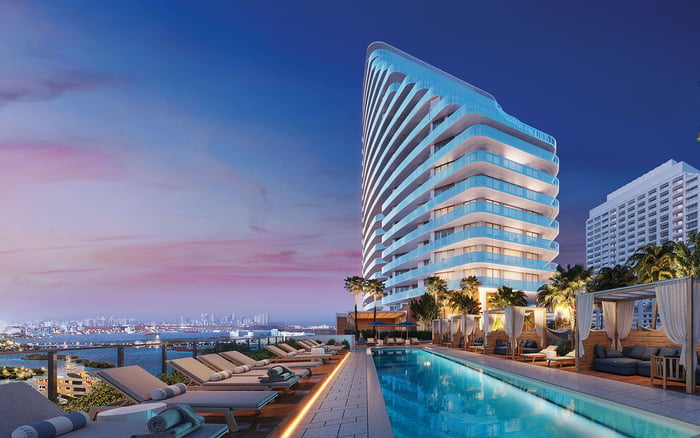
A buyer-focused editorial on evaluating hurricane readiness at Four Seasons Residences Coconut Grove through operations, building systems, management protocols, and long-term ownership resilience.

For buyers considering Four Seasons Residences Coconut Grove, hurricane readiness should be treated as an operating standard, not a reassuring phrase in a sales conversation. In South Florida’s ultra-premium market, sophisticated owners understand that architecture, service, views, and brand prestige matter. The sharper question is whether the building is prepared to support safety, communication, and basic functionality before, during, and after a major storm.
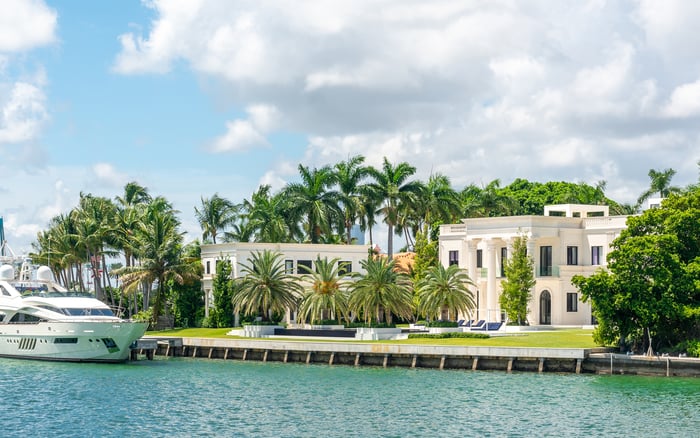
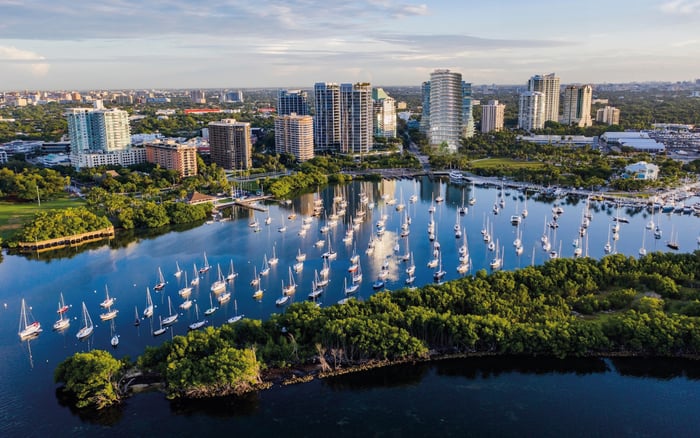
That distinction is especially relevant in Coconut Grove, where the bay-oriented setting is central to the lifestyle and equally central to due diligence. Waterfront and near-water residences invite questions about wind, flood exposure, storm surge, access, drainage, protected equipment, and post-storm management. For many buyers, the inquiry sits at the intersection of Four Seasons Residences Coconut Grove, Coconut-grove, Waterview, New-construction, Investment, and Second-home priorities.
The most valuable conversations are not about whether a residence is “hurricane-ready.” They are about what, precisely, that readiness means in practice.
Before a major weather event, operational readiness begins with planning. Buyers should ask how residents are notified, which information channels are used, who makes building-level decisions, and how those decisions are communicated. A luxury residence may have impressive physical systems, but without disciplined management procedures, the resident experience can become uncertain at the exact moment clarity matters most.
Due diligence should include emergency procedures, staffing expectations, building access protocols, vendor coordination, and the timing of pre-storm preparations. Buyers should ask whether written procedures explain how common areas, outdoor elements, mechanical spaces, elevators, parking areas, and resident communications are handled as a storm approaches.
This is where generic language falls short. A buyer should request project-specific documentation. Marketing language can describe intent, but plans, specifications, procedures, and management protocols reveal how a building is expected to behave.
During severe weather, the building envelope is not an abstract technical matter. It becomes the boundary between the residence and the event outside. Buyers should ask how glazing, façade systems, openings, terraces, and exposed areas are addressed, and what documentation supports those answers.
The point is not to demand unsupported performance claims. It is to understand the framework. What systems are designed to manage wind and rain? How are vulnerable transitions treated? How does the residence protect interior comfort, finishes, and essential circulation during high-stress conditions?
Structural design belongs in the same conversation. Code compliance is a baseline, but luxury buyers often seek a broader sense of resilience. They want to know whether the building’s design, envelope, and operations align with their expectations for safety, privacy, and continuity. In a market where ownership can be global and seasonal, confidence has to extend to family members, household staff, and advisors who may be present when the owner is not.
The most revealing period may come after the storm passes. For high-net-worth owners, the question becomes whether the property can return to basic order quickly and intelligently. Is there a clear plan for assessing damage? How are residents updated? What happens if local roads, utilities, or service providers are disrupted? How is access managed if flooding affects the surrounding area?
Electrical resilience, backup systems, drainage, and protected mechanical equipment become central to the ownership experience. Buyers should ask which functions are supported during an outage, how long critical systems are expected to operate under backup conditions, and which systems are prioritized. They should also ask how mechanical equipment is protected from flood or water exposure, and how the building approaches recovery when surrounding infrastructure is strained.
Coconut Grove’s bay context makes access a practical concern. A residence may perform well internally while surrounding conditions still affect mobility, deliveries, staff arrival, and service continuity. Serious buyers should examine both the building and the site, including elevation, drainage strategy, storm-surge exposure, and the practical realities of re-entry after a severe event.
For long-horizon owners, hurricane readiness is not only a safety issue. It is tied to asset protection, insurability, resident continuity, and eventual resale confidence. A buyer who understands the building’s resilience story can make a more informed decision about ownership risk and long-term value.
This does not mean every answer must be dramatic. Often, the most reassuring evidence is procedural: clear emergency plans, responsible building management, thoughtful equipment placement, disciplined communication, and well-documented systems. The absence of specificity, by contrast, should prompt further inquiry.
Ultra-luxury buyers are increasingly evaluating waterfront and bay-oriented residences through this lens. Finishes can be upgraded. Furniture can be replaced. Views can inspire the purchase. But operational confidence is what allows the property to remain usable, defensible, and desirable when conditions are difficult.
Before committing, buyers should ask for the documents and explanations that turn resilience into something observable. The checklist should include structural design approach, building-envelope performance, glazing and façade systems, flood exposure, drainage, backup power, protected mechanical equipment, emergency procedures, resident communication, access planning, and post-storm recovery protocols.
The most important question is simple: what is expected to work, for whom, and under what conditions? A residence that answers clearly has a stronger ownership case than one that relies on polished but unspecific assurances.
For Four Seasons Residences Coconut Grove, the appropriate buyer posture is neither skeptical nor dazzled. It is precise. The strongest luxury purchase is one where the beauty of the residence is matched by the seriousness of its operating plan.
What should buyers ask first about hurricane readiness? Ask how the residence is expected to function before, during, and after a major storm, not only whether it meets code.
Why is Coconut Grove’s bay-oriented setting important? The bay context makes flood exposure, surge risk, drainage, wind, and post-storm access relevant parts of buyer due diligence.
Is code compliance enough for an ultra-luxury buyer? Code compliance is a baseline. Operational resilience goes further by addressing communication, backup systems, management, and recovery.
What building systems deserve special attention? Buyers should focus on glazing, façade systems, mechanical equipment, electrical resilience, drainage, and backup power priorities.
Should buyers request written documentation? Yes. Project-specific plans, specifications, protocols, and management procedures are more useful than generic hurricane-ready language.
How does building management affect storm readiness? Management determines communication, staffing, preparation, resident guidance, vendor coordination, and recovery after the storm.
What should owners ask about backup power? They should ask which systems are supported, how priorities are set, and what basic functions remain available during outages.
Why does post-storm access matter? Even if the building performs well, flooding or infrastructure disruption can affect re-entry, deliveries, staffing, and service continuity.
How does resilience affect long-term value? Strong operational readiness can support asset protection, insurability, resident confidence, and resale credibility over time.
Is hurricane readiness only a concern for full-time residents? No. It is also critical for seasonal owners, families, advisors, and staff who may depend on the property during difficult conditions.
For a tailored shortlist and next-step guidance, connect with MILLION.
If branded residences are on your mind — as a home or as an allocation — we would be glad to share what we are seeing, privately.
Begin a quiet conversation