A buyer-focused look at Forté on Flagler in West Palm Beach and the hidden building-system questions that matter for moisture control, indoor air quality, and long-term condominium ownership.
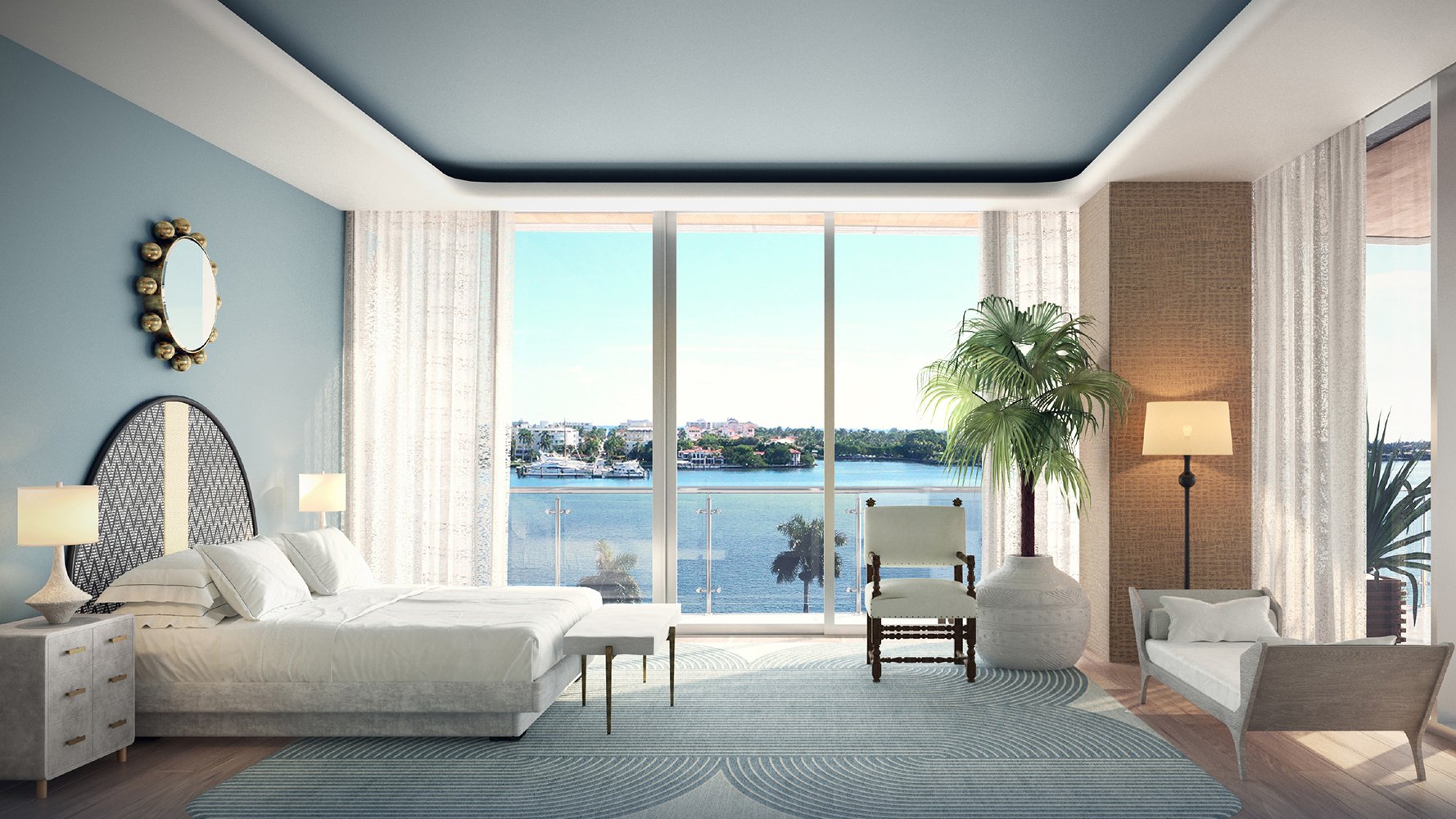
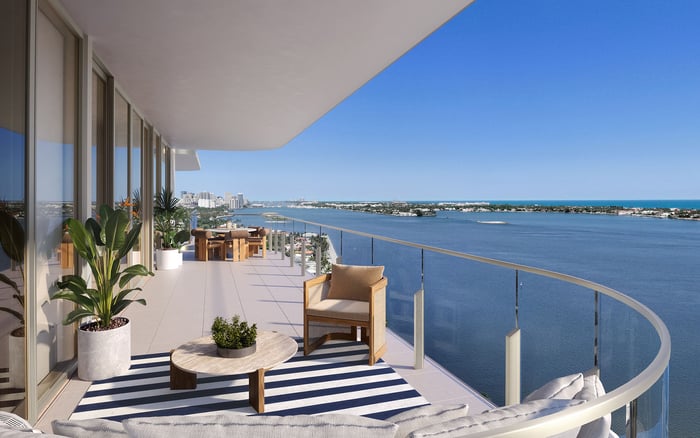
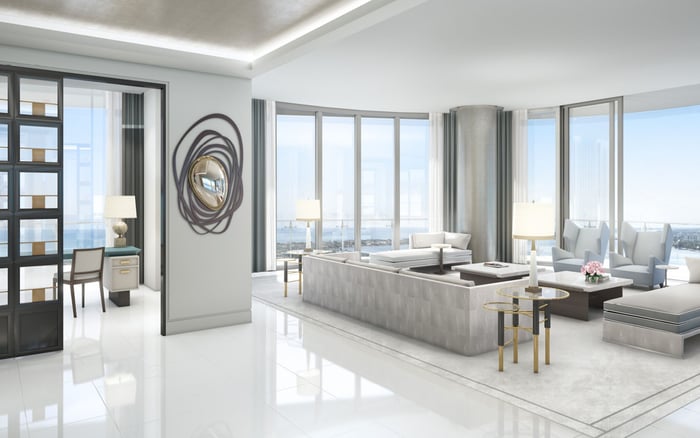
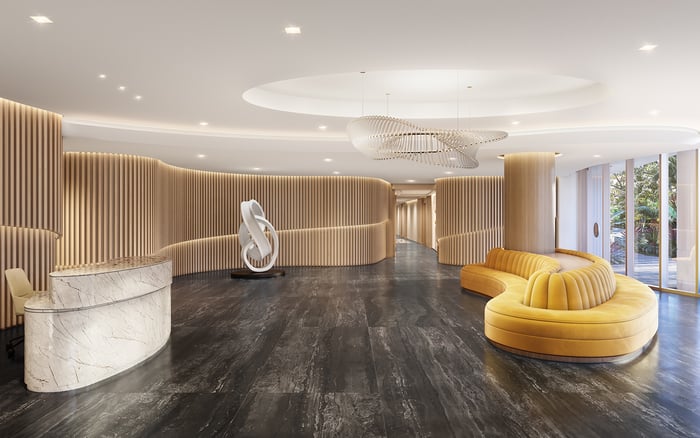
Forté on Flagler West Palm Beach is a luxury-condominium topic where visual appeal can easily dominate the buying conversation. Renderings, finishes, light, and views may shape first impressions, but moisture-prevention planning is part of what determines how confidently a residence performs after delivery and through long-term ownership.
For South Florida buyers, mold-prevention diligence should not be treated as a negative lens. It is a practical way to evaluate whether the hidden systems behind a refined residence are being considered with the same seriousness as the design language. The goal is not to replace professional inspections or engineering review, but to help buyers ask clearer questions before emotion drives the decision.
In a high-value condominium, moisture control touches comfort, indoor air quality, maintenance planning, finish durability, and resale confidence. The more polished the presentation, the more important it becomes to verify the less visible details.
Due diligence should begin where renderings usually end: façade joints, window-wall transitions, balcony thresholds, slab edges, and penetrations. These details are where water management, air movement, and condensation control become ownership issues rather than design abstractions.
Buyers and advisors should ask how exterior systems are intended to shed water, how glazing assemblies address condensation risk, and how waterproofing transitions are reviewed. The aim is not to turn a buyer into an engineer. It is to make sure the right professional questions are asked before the purchase decision becomes purely aesthetic.
A polished interior can conceal weak moisture planning. Conversely, strong envelope work may be invisible when everything is new. Luxury due diligence should therefore include a review of how the building is expected to perform during everyday humidity, wind-driven rain, and recovery after water-entry events.
Large glass areas can be central to the appeal of a South Florida condominium, but they also deserve technical scrutiny. Condensation can occur when surface temperature, indoor humidity, and air movement are not properly coordinated.
Buyers should ask how condensation is controlled near glazing, balcony doors, HVAC diffusers, perimeter walls, and other cool surfaces. In a luxury residence, comfort and indoor air quality should not depend on trial-and-error adjustments after move-in.
Useful questions include whether the HVAC design treats dehumidification as a primary concern, how fresh air is conditioned, and how systems are balanced across bedrooms, closets, bathrooms, and larger living areas. These questions are especially important for owners who travel, use the residence seasonally, or expect the home to remain stable while unoccupied.
In South Florida, air conditioning is not only about temperature. Dehumidification is central to comfort, material longevity, and indoor environmental quality. A buyer considering Forté on Flagler West Palm Beach should request a clear explanation of how humidity is managed, commissioned, monitored, and maintained.
Key questions include how humidity is controlled independent of cooling demand, how systems are commissioned before turnover, and who verifies that airflow is balanced in rooms that may have different exposure, usage, or ventilation needs. Buyers should also understand maintenance access, filter replacement, drain-line care, and owner guidance for periods when the residence is unoccupied.
The distinction between basic compliance and luxury-grade planning matters. Code compliance establishes a baseline. A high-end residence should support a more detailed conversation about system performance, operating guidance, and the responsibilities shared between the owner, building management, and association.
Where interior living meets exterior space, moisture planning becomes especially important. Balcony thresholds, sliding-door tracks, drainage paths, waterproofing layers, and surface slope can all influence how well a residence handles rain and humidity over time.
The questions are practical. Where does water go after heavy rain? How are drains maintained? What prevents water from backing up at thresholds? How are penetrations sealed? If outdoor furniture, planters, or owner modifications are allowed, what rules prevent those choices from compromising drainage?
This is where association protocols can be as important as initial construction quality. A building can be thoughtfully delivered and still face moisture issues if drains are neglected, sealants are not monitored, or owners are unclear about what they may alter.
For any South Florida condominium, post-storm planning should be discussed before it is needed. Buyers should ask what happens after severe weather, a water-entry incident, or a building-system leak.
Who inspects common areas? How quickly are affected residences evaluated? What is the protocol for drying, documentation, remediation, and communication with owners? Is there a clear chain of responsibility among management, association leadership, contractors, and residents?
Speed matters in moisture events. So does clarity. A refined building should have a disciplined response plan that helps protect health, finishes, cabinetry, flooring, and long-term value. For seasonal owners, remote notification, access procedures, and emergency-contact protocols may be especially important.
The strongest questions are specific without being adversarial. Ask for the story behind the systems. How was the envelope reviewed? How were waterproofing transitions tested? How will HVAC performance be commissioned? What are the ongoing maintenance obligations of the association and the owner?
A sophisticated buyer may also ask whether qualified professionals reviewed envelope, waterproofing, or mechanical systems, and how any findings were resolved. If the response is broad or promotional, keep asking until the answer becomes operational.
The point is not to create unnecessary concern. It is to clarify whether the residence’s hidden infrastructure supports the level of ownership confidence implied by its presentation.
Mold prevention in a luxury condominium should be understood as a long-term ownership issue. It touches wellness, resale confidence, insurance conversations, maintenance budgets, and everyday enjoyment. Buyers drawn to Forté on Flagler West Palm Beach should not see technical diligence as a distraction from beauty. It is one way beauty is protected.
The rendering can show atmosphere, proportion, and design intention. It cannot show whether drain lines will be maintained, whether dehumidification will perform as expected, or whether post-storm response protocols are precise. Those are the questions that separate a compelling visual asset from a resilient South Florida home.
Why does moisture planning matter for Forté on Flagler West Palm Beach? It helps buyers look beyond presentation and verify how the residence may handle humidity, water management, and long-term maintenance.
Should buyers be concerned about mold in new luxury construction? New construction can be thoughtfully planned, but buyers should still verify how moisture prevention is designed, tested, and maintained.
What is the first technical area to review? Start with the building envelope, including glazing, façade joints, balcony thresholds, waterproofing, and penetrations.
Why is HVAC dehumidification so important? Temperature control alone is not enough; humidity management helps protect comfort, indoor air quality, and interior finishes.
What should buyers ask about glass and condensation? Ask how condensation is controlled near glazing, balcony doors, HVAC diffusers, perimeter walls, and other cool surfaces.
Do balcony details affect mold-prevention planning? Yes. Drainage, waterproofing, slope, door tracks, and maintenance rules can all influence long-term moisture performance.
How do association protocols factor into risk? The association’s inspection, cleaning, sealant, drainage, and post-storm procedures help determine how well the building performs over time.
Is code compliance enough for a luxury condominium? Code compliance is a baseline; luxury buyers should seek a more detailed plan for commissioning, maintenance, and response.
What should seasonal owners verify? They should understand humidity settings, remote access, emergency contacts, inspection procedures, and water-intrusion notifications.
Can mold-prevention diligence support long-term value? Yes. Strong moisture planning can help protect finishes, wellness, market confidence, and the daily experience of ownership.
For a tailored shortlist and next-step guidance, connect with MILLION.
If branded residences are on your mind — as a home or as an allocation — we would be glad to share what we are seeing, privately.
Begin a quiet conversation