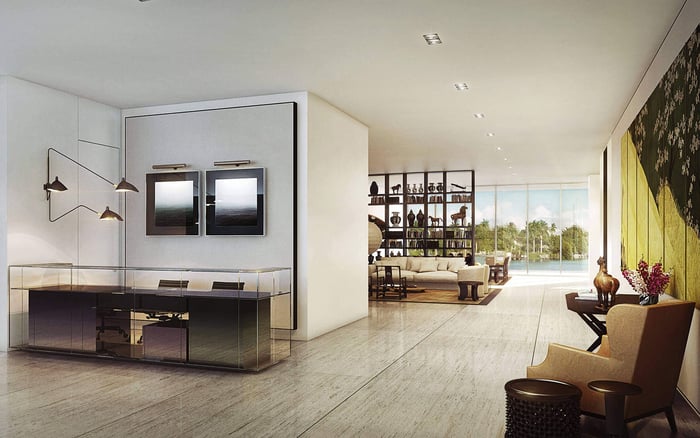
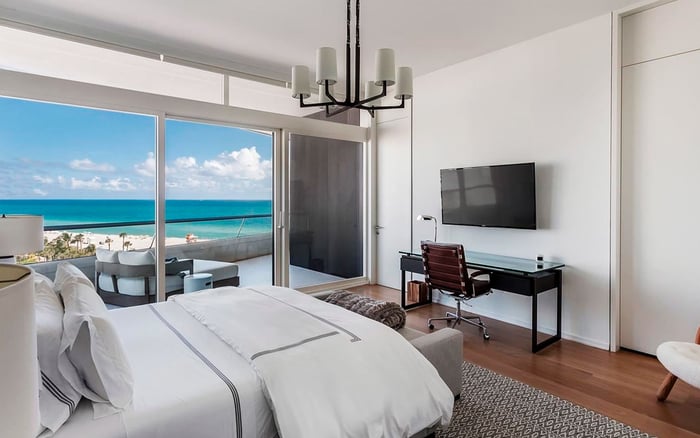
A discreet due-diligence guide for evaluating whether the brand premium at Miami Tropic Residences is supported by measurable ownership value, not simply identity or launch appeal.
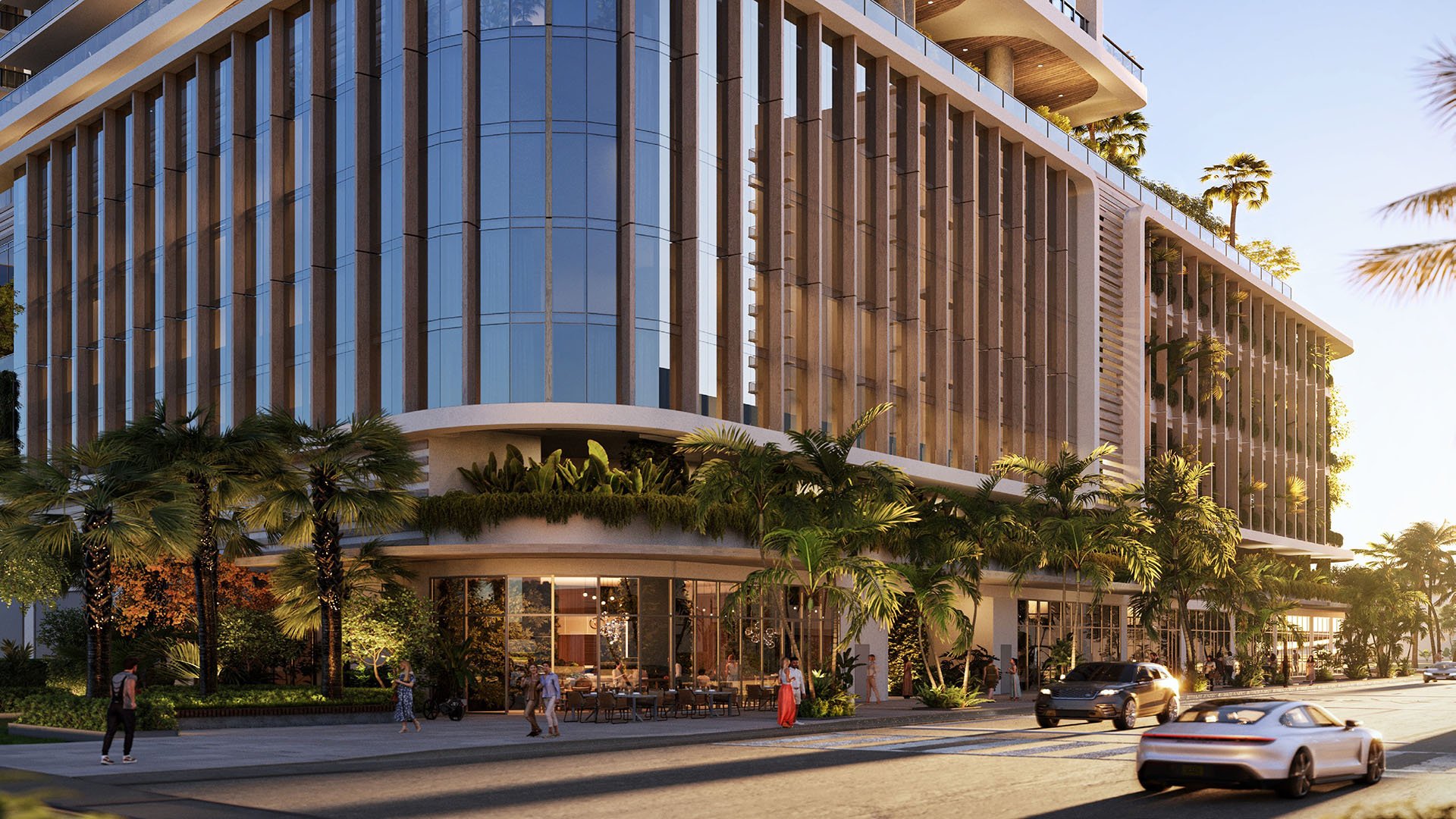
A luxury name can create an immediate emotional advantage. It can frame the lobby, define the sales gallery, sharpen the amenity narrative, and give a buyer an elegant shorthand for lifestyle. At Miami Tropic Residences, however, a disciplined buyer should treat the brand as a reason to investigate, not as a substitute for valuation.
The central question is whether any brand premium is supported by durable value after the early marketing cycle fades. In South Florida, the category of branded residences has become increasingly sophisticated, and buyers are more fluent. They understand the difference between a name on a facade and an operating standard that improves daily ownership.
That distinction matters because a premium paid at contract signing must later be defended at resale. If the name does not improve service execution, absorption, rental appeal, liquidity, or long-term experience, it should not be accepted as a standalone price driver.
The cleanest test begins with price per square foot. Compare the branded offering against similar unbranded condominiums, then adjust for view, location, age, finishes, amenity level, floor height, exposure, and plan quality. Only after those adjustments should the buyer isolate what is actually being paid for the name.
A practical formula is straightforward: branded price per square foot minus comparable unbranded price per square foot, divided by comparable unbranded price per square foot. The result is the implied brand premium. The number itself is not automatically good or bad; it becomes useful only when paired with evidence of what the premium buys.
In Brickell, for example, a buyer studying branded pricing may look across projects such as 888 Brickell by Dolce & Gabbana and Baccarat Residences Brickell to understand how identity, service promise, design language, and location interact. The comparison should never be superficial. A more famous name does not automatically offset a weaker view, a less efficient floor plan, higher carrying costs, or a less resilient ownership structure.
A brand can be symbolic, operational, or both. Symbolic value is the aura: design image, cultural association, lifestyle positioning, and social recognition. Operational value is more concrete: service protocols, amenity management, maintenance discipline, hospitality access, rental program rights if applicable, and the consistency of daily delivery.
The buyer’s task is to separate the two. Fashion, design, and lifestyle affiliations should be tested against tangible deliverables. What finishes are specified? How are public spaces maintained? What standards govern replacement, staffing, and upkeep? Does the brand influence the actual living environment, or mainly the sales narrative?
Hospitality branding can justify a premium when service access, amenity quality, and any rental or use rights are clearly documented and economically useful. A buyer comparing the broader Miami market might examine how a hospitality-led identity at The Residences at Mandarin Oriental, Miami is presented, then ask the same category of questions at Miami Tropic Residences: what is promised, who is obligated, how long the obligation lasts, and what happens if the relationship changes.
The brand agreement is not decorative. It can influence future value because it defines the brand’s obligations, service standards, and the circumstances under which the name remains attached to the property. Buyers should understand whether the brand is deeply embedded in operations or primarily licensed for positioning.
The most elegant sales presentation cannot replace a careful reading of the contract structure, condominium documents, management terms, and fee schedule. If service standards are vague, optional, or dependent on future association decisions, the buyer should price that uncertainty. If the brand can be removed, diluted, or altered under certain conditions, future purchasers may not pay the same premium.
Monthly HOA or condo fees also deserve scrutiny. A branded residence can carry a recurring service premium beyond the purchase price. That may be rational if the services are valued, consistently delivered, and supportive of the ownership experience. It is less compelling if fees rise without a measurable improvement in quality, convenience, rental attraction, or liquidity.
The brand should be weighed alongside fundamentals that often matter more in softer markets: view, floor plan, location, resilience, insurance exposure, construction quality, and association health. A graceful identity will not rescue an inefficient layout, a weak exposure, or a building whose carrying costs impair future demand.
Pre-construction buyers should be especially disciplined because the finished experience remains prospective. They are underwriting a promise. That promise should be supported by specifications, governance, service commitments, and a credible relationship between the price and comparable alternatives.
This is where pricing trends become less abstract and more personal. The right question is not whether branded residences can command premiums. They can. The sharper question is whether this particular premium is supported by this particular residence, in this particular stack, with this particular exposure, fee structure, and long-term operating plan.
A buyer considering Miami Tropic Residences may also study nonidentical peers such as The Ritz-Carlton Residences® Miami Beach to see how service, location, and brand expectation are framed in different luxury contexts. The point is not to declare one superior. It is to sharpen the buyer’s understanding of what a name must prove.
A rational investment lens asks whether future buyers will pay the same premium once the launch narrative is no longer fresh. The resale test is simple: imagine the unit competing several years from now against newer buildings, unbranded luxury inventory, and other branded residences. What will still be defensible?
If the answer is a rare view, efficient plan, strong service culture, thoughtful maintenance, and credible management, the premium may have a foundation. If the answer is mostly identity, lifestyle imagery, or the prestige of being early, the buyer should negotiate accordingly.
Rental appeal should be tested with the same discipline. Does the brand make the residence easier to rent, more desirable to high-quality tenants, or more competitive for seasonal use? Are any rental program rights documented clearly, if they are part of the value proposition? A name can support demand, but only when the use case is practical and the rules are economically useful.
The most sophisticated approach is neither cynical nor romantic. It allows for the possibility that a brand can create real value while refusing to pay for value that has not been demonstrated. At Miami Tropic Residences, the buyer’s advantage lies in turning the brand premium into a measurable question.
What is a brand premium at Miami Tropic Residences? It is the amount a buyer may be paying above comparable unbranded luxury condos after adjusting for view, location, finishes, amenities, and other fundamentals.
How should buyers calculate the premium? Subtract the adjusted unbranded comparable price per square foot from the branded price per square foot, then divide by the unbranded comparable price per square foot.
Is a brand premium always a problem? No. It can be justified if the brand improves service quality, resale liquidity, rental appeal, or the long-term ownership experience.
What if the premium is based mainly on image? If the value is mostly symbolic, buyers should be more cautious and may have a stronger basis to negotiate.
Why do HOA fees matter in this analysis? Branded services can create recurring costs, so buyers should decide whether the monthly fees are matched by measurable benefits.
Should contract documents be reviewed closely? Yes. The documents can define service obligations, management standards, and whether the brand can remain attached to the property over time.
Can the brand help with resale? It can, but only if future buyers believe the name still carries practical value after the initial sales cycle.
What fundamentals may matter more than the brand? View, floor plan, location, resilience, insurance exposure, construction quality, and association health may become more important in softer markets.
How should buyers think about rental appeal? They should ask whether the brand improves tenant demand or rental economics, and whether any relevant rental rights are clearly documented.
When should a buyer negotiate the brand premium? A buyer should negotiate when the brand does not clearly improve service, liquidity, rental income, or daily ownership quality.
If you'd like a private walkthrough and a curated shortlist, connect with MILLION.
If branded residences are on your mind — as a home or as an allocation — we would be glad to share what we are seeing, privately.
Begin a quiet conversation