For seasonal Surfside buyers, daily logistics can define luxury more clearly than a long amenity inventory. A disciplined review should test school routines, commute patterns, building protocols, and residence care before comparing lifestyle features.
For a seasonal owner, a Surfside residence is rarely judged solely by time spent beside the pool. Its true performance emerges on an ordinary morning: children leaving for school, a principal heading to meetings, household staff coordinating access, and luggage arriving before the family. A polished amenity program may enrich the experience, but it cannot compensate for friction embedded in the household’s recurring schedule.
This is why the most discerning second-home search often begins with a calendar rather than a rendering. Buyers should map the weeks they expect to occupy the residence, identify who travels independently, and separate essential routines from occasional pleasures. The result is a more useful definition of luxury: less time spent coordinating, fewer uncertain handoffs, and a home that remains controlled through long absences.
Private-school proximity is not simply a question of mileage. The meaningful test is whether the school-day routine works for the family. Tour the route during the intended departure and return periods. Consider who will drive, whether siblings have different schedules, how extracurricular commitments alter pickup, and what happens when a parent is unavailable.
Private-school planning should also account for seasonal transitions. A family returning after time away may need vehicles, drivers, uniforms, equipment, and household access coordinated within a narrow window. Buyers can ask their advisers to build sample weekday schedules for a normal day, an early dismissal, and an evening event. If each scenario demands repeated improvisation, the residence may be elegant yet operationally mismatched.
A quoted travel time is only a snapshot. Commute rhythm is the pattern created by multiple trips across a week, including school runs, office visits, airport transfers, dining plans, appointments, and staff movements. The strongest evaluation considers both frequency and consequence. A route used twice per season deserves less weight than one repeated every weekday.
Create a simple matrix with destinations on one axis and time windows on the other. Then test the routes personally, using the transportation arrangements the household expects to maintain. Include a buffer for departures that cannot be missed. This turns an abstract location preference into a practical decision tool without suggesting that any journey will perform identically every day.
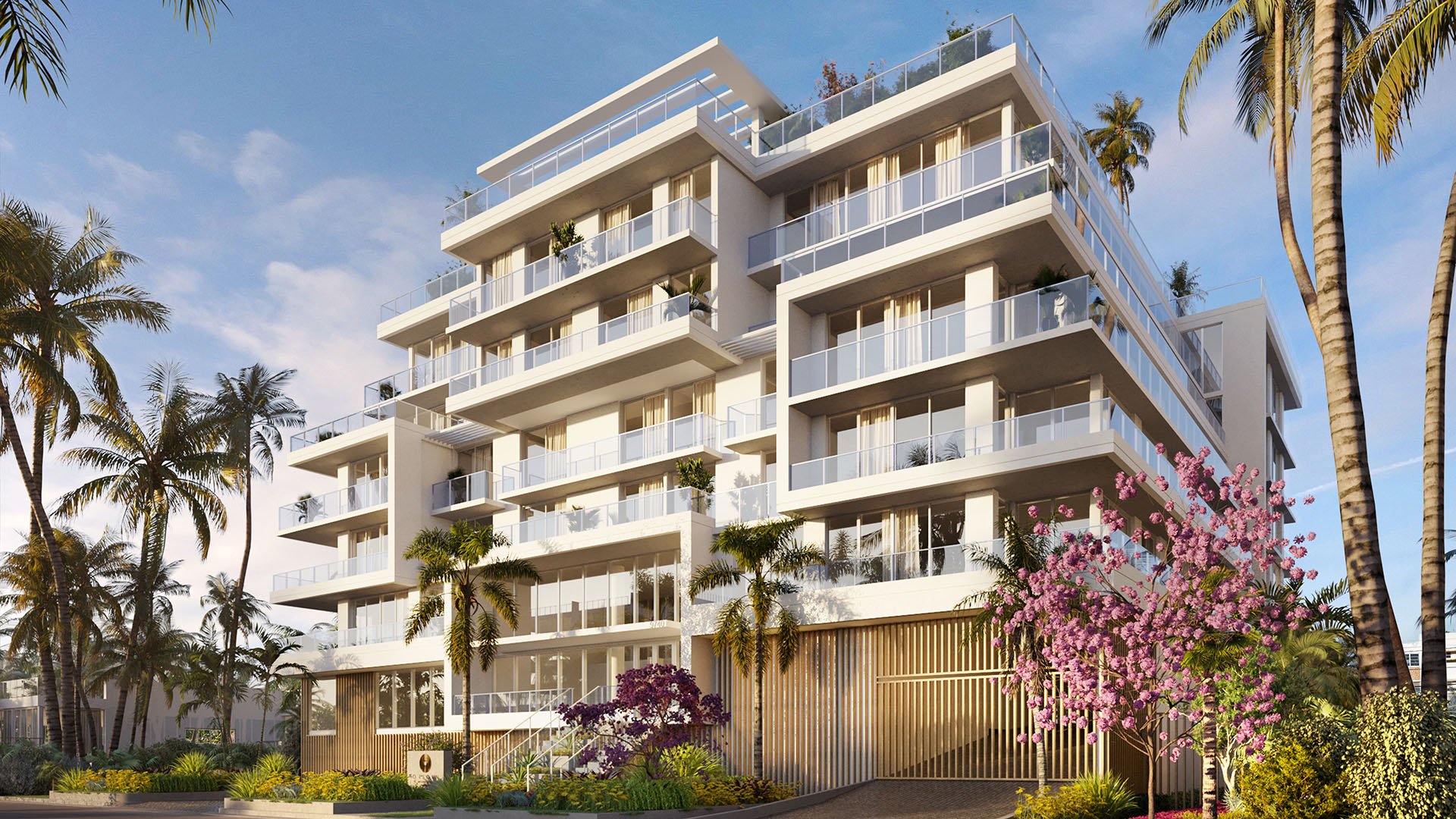
For buyers comparing the Surfside market itself, Arte Surfside and Fendi Château Residences Surfside can be considered within the same logistics exercise. The point is not to assume equivalence, but to evaluate each address against the same family calendar.
Security is most valuable when its procedures remain coherent whether the owner is present, traveling, or arriving unexpectedly. Buyers should look beyond visible equipment and examine how people, permissions, records, and escalation protocols work together. Who may authorize a guest? How are vendors handled? What happens when a delivery arrives early, a credential fails, or a household employee changes?
The review should distinguish privacy from convenience. A process that feels effortless may rely on broad permissions, while a highly restrictive process can create avoidable friction for family and staff. The appropriate balance depends on the owner’s profile, occupancy pattern, and tolerance for intervention. Request a step-by-step explanation of routine and exceptional situations, then confirm which responsibilities belong to the residence, the building team, and outside personnel.
The same discipline can frame a comparison involving The Surf Club Four Seasons Surfside or The Delmore Surfside. Project presentation may introduce the property, but operating questions determine whether its access model suits the household.
Seasonal ownership places unusual pressure on periods when no one is home. Residence care should therefore be defined in writing rather than inferred from general service language. Buyers can ask who enters the unit, under what authorization, for which recurring tasks, and how each visit is documented. They should also understand the process for preparing the home before arrival and securing it after departure.
A useful plan covers climate settings, water-related precautions, appliances, vehicles, deliveries, housekeeping, maintenance appointments, and emergency contacts. It should identify a primary decision-maker and a backup. An oceanfront home must operate not merely as a destination, but as an asset with a clear chain of responsibility.
Once the household’s nonnegotiables are established, amenities can return to the conversation. Assign weights to private-school logistics, commute rhythm, access control, absence management, residence layout, privacy, and lifestyle features. Score every candidate using the same questions, noting where an answer requires further confirmation.
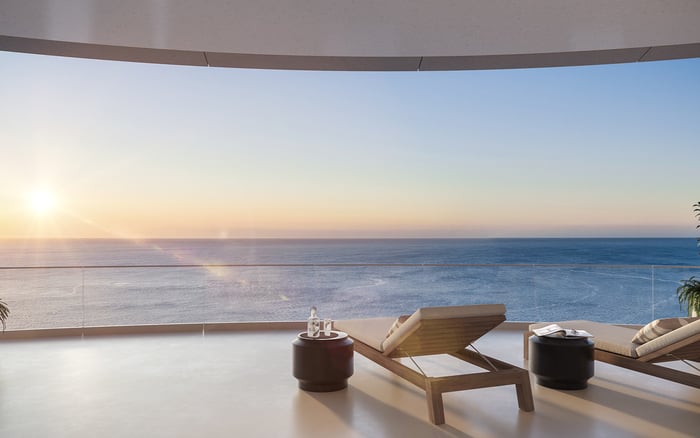
This approach does not eliminate emotion. It protects the buyer’s emotional response from being overwhelmed by presentation. A beautiful terrace may still be decisive, but the choice becomes more durable when the home also supports Monday morning, a delayed flight, a vendor visit, and six unoccupied weeks.
The strongest residence is not universally defined. It is the one whose location, procedures, and service structure align with the owner’s actual pattern of use.
Before advancing, buyers should seek clarity on five subjects: the household’s weekly movement, the school-day transportation plan, access permissions, residence-care responsibilities, and exception handling. Each answer should identify who acts, who approves, and how the owner is informed.
A final rehearsal can be especially revealing. Walk through an arrival day, a normal school day, an unattended maintenance visit, and an urgent issue during an absence. If the sequence is clear and responsibilities are explicit, the home has moved beyond visual appeal toward practical confidence.
Should amenities be ignored when choosing a Surfside residence? No. They are best evaluated after the household’s essential logistics and operating requirements have been tested.
How should buyers assess a school commute? Test the intended route during relevant time windows and include pickups, activities, alternate drivers, and schedule changes.
Is the shortest route always the best route? Not necessarily. Consistency, backup options, and the consequences of delay may matter more than distance alone.
What security questions deserve priority? Ask how residents, guests, staff, vendors, deliveries, credentials, and exceptions are authorized and documented.
How can seasonal owners prepare for long absences? Establish written residence-care responsibilities, entry permissions, reporting expectations, and emergency decision authority.
What should happen before the family arrives? The household should define a repeatable preparation sequence covering access, services, deliveries, and residence readiness.
How many commute scenarios should a buyer test? At minimum, test the household’s normal routine and a disrupted day involving a delay, alternate driver, or evening commitment.
Why use a weighted decision sheet? It holds every candidate to the same priorities and reveals where attractive features may mask unresolved friction.
Can building service replace a private household manager? That depends on the owner’s needs and the building’s defined scope, which should be clarified before purchase.
What makes a seasonal residence feel effortless? Clear responsibilities, controlled access, workable routines, and reliable preparation reduce the need for owner intervention.
For a discreet conversation and a curated building-by-building shortlist, connect with MILLION.
If branded residences are on your mind — as a home or as an allocation — we would be glad to share what we are seeing, privately.
Begin a quiet conversation