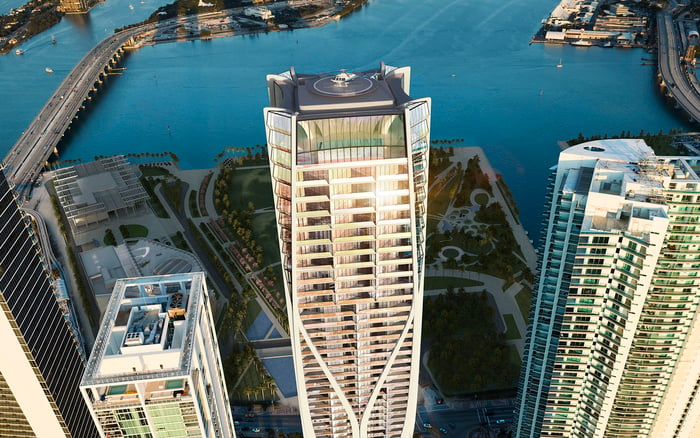
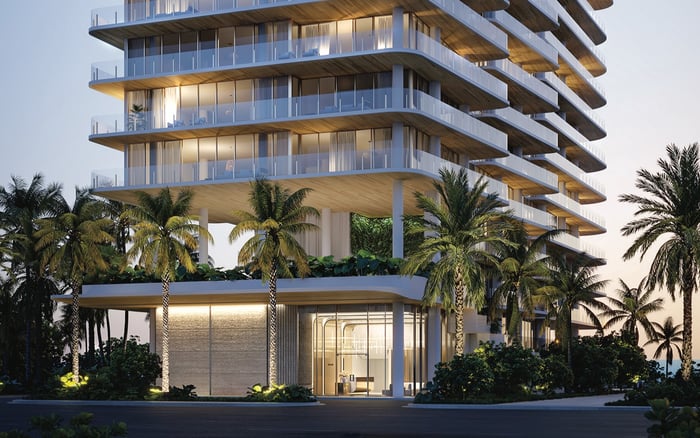
A Surfside ocean view is only one part of waterfront ownership. Buyers should examine the legal access route, storm protocols, maintenance interruptions, event restrictions, and accessibility arrangements before treating beach access as an everyday certainty.
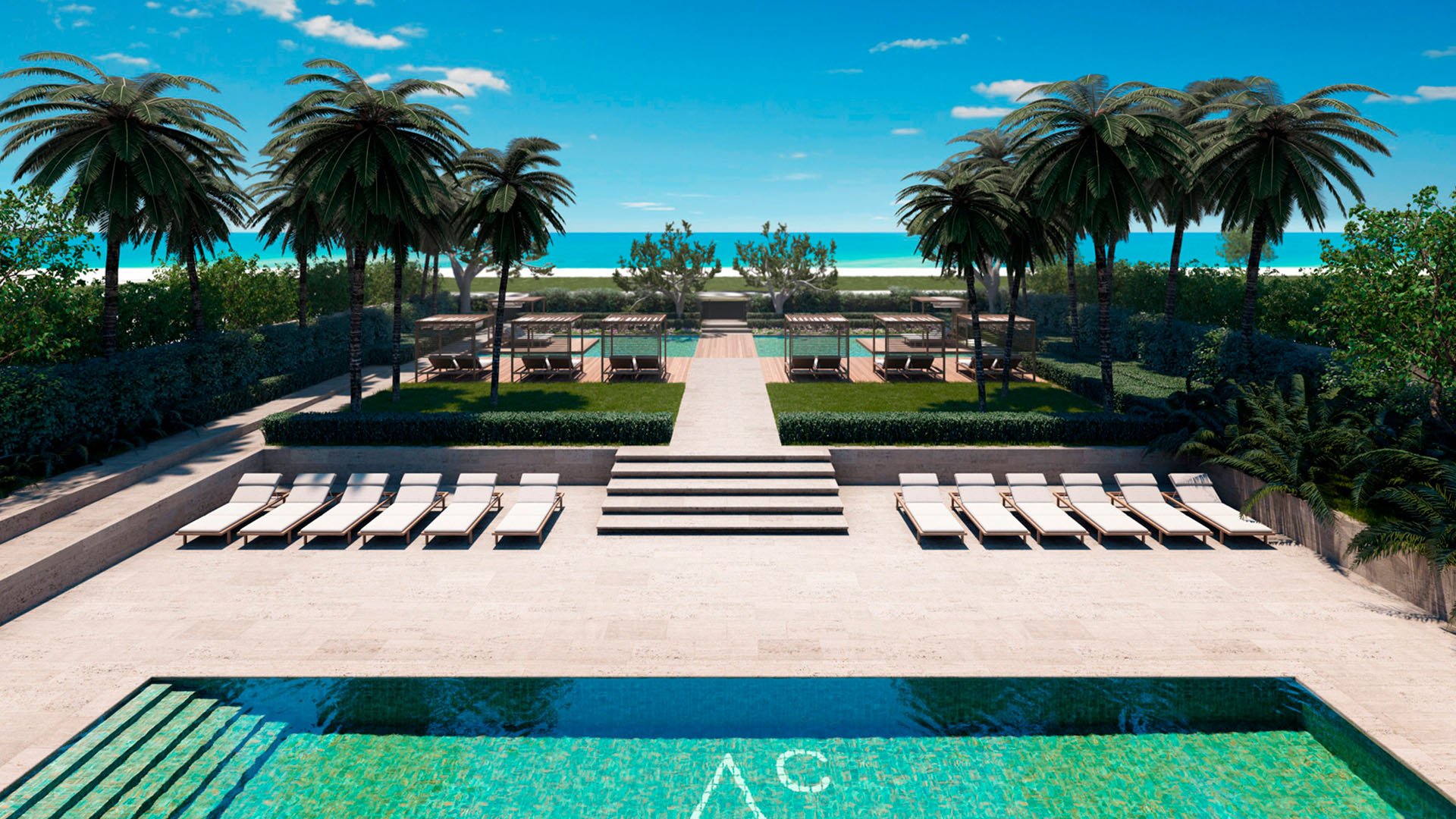
In Surfside, the view may be immediate; the practical meaning of beach access requires closer reading. For a buyer, the question is not simply whether a residence faces the ocean. It is whether the route, permissions, services, and operating conditions support the way the household intends to use the waterfront.
Treat access as several distinct considerations: reaching the shoreline, entering the water, using an accessible entrance, obtaining equipment, and returning through the property. A closure affecting one does not establish the status of the others. Thorough diligence turns a lifestyle promise into a documented understanding of ordinary days and interrupted ones.
When considering Arte Surfside, for example, ask the same precise questions you would bring to any coastal acquisition. Which documents establish the route? Who controls its gates? What happens when that route is unavailable? These are diligence questions, not statements about the property's operating arrangements.
Surfside's beach flags distinguish hazardous water from a water closure. A red flag bearing a no-swimming symbol means the water is closed to the public. A red flag without that symbol indicates high hazards from surf or currents, rather than a water closure. Yellow indicates moderate hazards; green indicates low hazards, not an assurance of risk-free swimming.
This distinction matters when assessing an advertised beach lifestyle. A usable path to the sand does not establish permission to enter the water, and an operating beach service does not override a closure. Conditions can change during the day. The beach-information telephone number is 305-866-3635.
Ask management how changing conditions are communicated to residents and guests. Request sample notices and clarify whether notifications distinguish swimming restrictions from gate, facility, or equipment-service closures. A clear message should tell a household what is unavailable, not merely state that the beach is affected.
An appealing phrase such as private beach access should prompt document review, not an assumption of uninterrupted use. Ask counsel to examine recorded easements, condominium documents, operating rules, and any hotel privileges or revocable permissions relevant to the residence. Establish the legal basis for the route and who may change its operating conditions.
For a buyer considering Ocean House Surfside, the useful comparison rests on the documents: what access is established, what services are separately offered, and which arrangements depend on another operator? Do not treat a project name or ocean-facing setting as evidence of particular rights.
Walk the entire proposed route, including doors, gates, crossings, and the return journey. Then map an alternative. Ask whether that alternative remains available if the primary facility closes; do not assume a nearby entrance provides an equivalent experience. Guests, household staff, and residents may need different permissions. Request the applicable rules in writing.
A storm plan should explain more than when furniture is secured. Request written procedures for closing beach gates, suspending waterfront services, communicating evacuation instructions, and authorizing reopening. Identify who makes each decision and how an absent owner receives updates.
Visitors to waterfront hotels should evacuate temporarily when a hurricane threatens. Resuming normal plans depends on restrictions being lifted and infrastructure being restored. This is not a building-specific evacuation rule for every condominium, but it is a reason to distinguish residential procedures from hotel operations.
If evaluating The Surf Club Four Seasons Surfside, request the protocols applicable to the particular residence and any services included in the contemplated purchase. Do not assume residential access and hotel-related privileges follow identical reopening decisions.
Ask what must happen before each element returns: building entry, the beach path, swimming, and staffed services. A reopening message should specify which of these has resumed.
Maintenance diligence should cover both the immediate beach route and the streets used to reach it. Request closure notices, access-related maintenance records, pending work schedules, and any arrangements for alternate pedestrian routes. Ask whether planned work affects an accessible path differently from the main entrance.
Dated municipal activity offers context, not a current access guarantee. Storm-drain clearing and inspections took place ahead of the 2026 hurricane season. Construction on the Abbott Avenue Drainage Project at 92nd Street and Abbott Avenue began May 26, 2026, with the aim of increasing drainage capacity and reducing surrounding flooding impacts. That history does not establish today's construction status or prove that a particular property's route is unaffected.
For The Delmore Surfside, as for any purchase under consideration, request current information specific to the address and intended route. Assess street flooding, gate restrictions, facility maintenance, and shoreline conditions separately rather than treating them as one access issue.
Special events warrant separate questions about parking, pedestrian circulation, guest arrival, and facility use. Request current event calendars and associated access notices. Ask whether residents receive advance notification and whether an alternative entrance remains available during setup and breakdown.
Surfside's annual Memorial Day ceremony took place at Veterans Park in 2026. Separately, Paddletopia activities took place on Biscayne Bay, and the second day was canceled because of heavy rain and severe weather. The cancellation demonstrates that waterfront programming can be interrupted; neither event establishes a beach closure or property-specific restriction.
Keep the geography precise when reviewing notices. Beach-renourishment announcements for Surfside Beach, South Carolina, do not establish closure conditions in Surfside, Florida.
Wheelchair-accessible beach entrances are at 88th Street and 96th Street. A beach wheelchair is available to residents and guests staying at Surfside hotels through the Parks and Recreation Department at 9301 Collins Avenue. Confirm arrangements before relying on equipment availability for a particular outing.
Residents and approved guests can also access the beach through the Surfside Community Center; hotel guests must provide hotel documentation. Check eligibility for that route separately from a property's own access arrangements.
Beach lifeguard-tower operating hours for June 2026 were 10:00 a.m. to 7:00 p.m., not continuous coverage. Treat those hours as a dated snapshot and verify the current schedule. Early walks, evening swims, accessible entry, and equipment services each require their own practical assessment.
Before committing, assemble a concise access file: governing documents, a walked route and alternative, current notices, storm and reopening protocols, maintenance information, and guest rules. Have the relevant professionals resolve any mismatch between advertised access and documented permissions. The aim is not uninterrupted availability, but a clear understanding of what ownership provides when conditions change.
For a considered approach to Surfside ownership, explore residences with MILLION.
If branded residences are on your mind — as a home or as an allocation — we would be glad to share what we are seeing, privately.
Begin a quiet conversationNo. In Surfside, a red flag with a no-swimming symbol means the water is closed to the public; a red flag without that symbol indicates high hazards.
Yellow indicates moderate hazards, while green indicates low hazards. Green does not mean swimming is risk-free.
The beach-information telephone number is 305-866-3635. Conditions can change during the day, so confirm them near the time of your visit.
Ask counsel to review recorded easements, condominium documents, operating rules, and any relevant hotel privileges or revocable permissions. Clarify who controls the route and its operating conditions.
Request closure triggers, resident notifications, evacuation procedures, and reopening responsibilities. Distinguish building entry, beach-path access, swimming, and staffed services.
No. Construction began May 26, 2026, to increase drainage capacity and reduce surrounding flooding impacts, but that history does not establish current construction or route conditions.
They are at 88th Street and 96th Street. Confirm the complete route and any current restrictions before relying on either entrance.
Surfside residents and guests staying at Surfside hotels can obtain a beach wheelchair through Parks and Recreation at 9301 Collins Avenue. Confirm arrangements before an outing.
The hours listed for June 2026 were 10:00 a.m. to 7:00 p.m., not continuous coverage. Verify the current operating schedule separately.
No. Review event-specific notices for parking, pedestrian, and facility restrictions rather than inferring a beach closure from an event or cancellation.