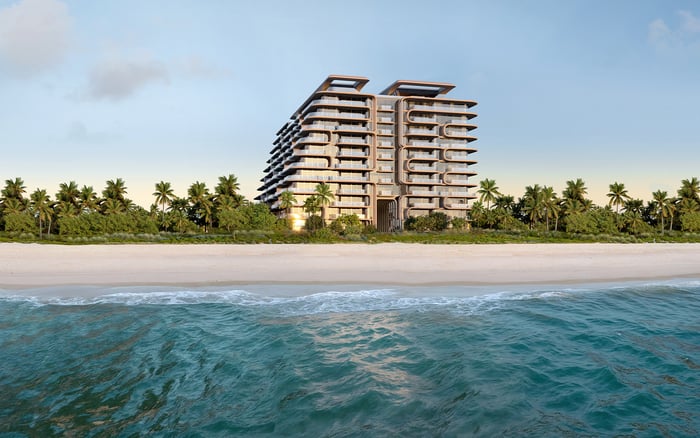
A document-led ownership-readiness guide for Arte Surfside buyers, focused on sprinkler impairment notices, smoke-control testing, elevator procedures, and the evidence needed to resolve outstanding questions before closing.

An exceptional residence should offer more than a compelling arrival. For a buyer considering Arte Surfside, ownership readiness also means understanding how essential building systems are managed when protection is interrupted, equipment is tested, or an emergency demands a coordinated response. The question is not simply whether a system has been serviced, but whether its records connect the finding, corrective work, verification, and return to service.
This is a due-diligence framework, not a finding about Arte Surfside. Its impairment history, smoke-control test results, elevator incidents, and current compliance status are not established here. Buyers should seek property-specific documentation rather than infer either a problem or a clean bill of health from general guidance.
A strong ownership file connects each identified issue to a documented resolution. That discipline helps a buyer distinguish an unanswered question from an unresolved deficiency, without treating either as proof of unsafe conditions.
Begin by asking the association who serves as impairment coordinator when a sprinkler system is taken out of service. The owner or designated representative must assign that responsibility under the applicable impairment guidance. For the buyer's audit, request the coordinator's role, contact information, and arrangements for coverage outside normal operating hours.
Next, request the impairment record. It should identify the affected areas, expected duration, increased risks, notifications, mitigation measures, tagging, and restoration steps. A record that maintenance occurred does not necessarily establish which protection was unavailable or how the interruption was managed.
For each documented event, assemble the notices, red tags, contractor inspection reports, repair invoices, any fire-watch logs, retest evidence, and restoration notices. Read them as a chronology: when the condition was identified, what happened while it remained open, and what evidence supports closure.
Florida's classification framework distinguishes critical deficiencies and impairments using the adopted sprinkler inspection standard. Ask the responsible contractor to explain the recorded classification rather than interpreting shorthand yourself. The distinction matters because the label informs which notification and correction records belong in the file.
Florida inspection rules require a completed red non-compliance tag at the main water-control valve when a system has critical deficiencies or is impaired. The inspecting contractor or inspector must notify the owner or authorized representative within 24 hours after identifying the condition.
If an impairment remains uncorrected, the inspecting contractor must notify the local authority having jurisdiction within 72 hours of the finding. Where the tenant differs from the owner, tenant notification is required within 72 hours after the owner receives notice of the impairment. These are separate deadlines, not an interchangeable three-day window.
The owner or authorized representative must also receive the sprinkler inspection report within 30 days of inspection. For a buyer, the practical task is to compare dated findings with dated communications and the eventual correction record.
Notification recipients include the fire department, insurer, alarm company, property owner, applicable authorities, and affected-area supervisors. Request evidence of the relevant communications rather than assuming notice to one party reached everyone else. Delivery records can help establish the sequence without relying solely on recollection.
When required fire protection is out of service for more than 10 hours in a 24-hour period, approved measures such as evacuation, fire watch, temporary water supply, or ignition-source and fuel controls are called for. This threshold is not permission to leave a shorter interruption unmanaged.
Ask which measures were approved for the actual event and request the supporting records. If a fire watch was used, seek patrol logs and evidence that the records were available for inspection. A log documents activity; it does not, by itself, establish that the arrangement satisfied applicable local requirements.
Restoration deserves equal attention. Necessary inspections and tests should precede return to service. The file should also show that affected supervisors were informed and the relevant fire department, insurer, alarm company, owner, and authorities were notified that protection had been restored.
A repair invoice documents work performed; it is not a substitute for a successful retest or restoration notice. Buyers comparing Arte with Fendi Château Residences Surfside can apply the same documentary standard without assuming anything about either property's condition.
For smoke control, first establish which systems and interfaces apply to the building. Request the approved operating sequence, the zones and equipment tested, measured results, recorded deficiencies, corrective work, and retests. Have a qualified specialist assess whether the documentation addresses the approved sequence.
A generic statement that testing passed is insufficient for a document-based audit. It does not reveal the test's scope, the observations recorded, or whether an earlier deficiency was retested after correction. A useful file makes those connections explicit.
Do not import assumptions from another property's configuration. Keep the request specific to the approved systems and testing scope at Arte Surfside. Where a record is unclear, seek clarification from the responsible professional rather than treating an ambiguous entry as either reassurance or cause for alarm.
Request documentation of phase-one recall, phase-two firefighter operation, applicable detector and damper interfaces, and emergency-power results. These are audit requests, not a statement that particular tests have been completed at Arte or that every interface applies there.
Pair the technical file with resident instructions. Elevators should not be used during emergency evacuation because fire can cause unsafe door opening, electrical failure, and smoke movement through shafts. Trapped passengers should not attempt to exit the elevator; they should use its emergency telephone or otherwise call for assistance.
Review the resident emergency handbook and evidence of staff drills. Ask how the plan addresses accessible egress, elevator restrictions, emergency contacts, and after-hours escalation. Procedures drawn from another jurisdiction or institution provide context, not property-specific approval. Buyers considering The Surf Club Four Seasons Surfside should likewise request that property's own records and instructions.
For an Oceanfront purchase in Surfside, keep the final review focused on unresolved conditions and incomplete documentation. A missing close-out record warrants further questions; it is not automatic proof that the underlying work remains unfinished.
Bring outstanding deficiencies and missing restoration evidence to legal counsel when considering closing conditions or escrow. This is a negotiating recommendation, not a statutory requirement. The aim is a clear ownership file that distinguishes completed work, verified restoration, and matters still awaiting resolution.
For a discreet approach to your next ownership decision, connect with MILLION.
If branded residences are on your mind — as a home or as an allocation — we would be glad to share what we are seeing, privately.
Begin a quiet conversationNo. It outlines documents to request and does not establish the property's impairment history, test results, elevator incidents, or current compliance status.
The owner or designated representative must assign an impairment coordinator under the applicable impairment guidance. Buyers should request the assigned role and contact arrangements.
It should document affected areas, expected duration, increased risks, notifications, mitigation measures, tagging, and restoration steps.
Florida inspection rules require the inspecting contractor or inspector to notify the owner or authorized representative within 24 hours after identifying the condition.
The inspecting contractor must notify the local authority having jurisdiction within 72 hours of the finding if the impairment remains uncorrected.
Where the tenant differs from the owner, notification is required within 72 hours after the owner receives notice of the impairment. That clock differs from the deadline for notifying the local authority.
For an interruption exceeding 10 hours in a 24-hour period, impairment guidance calls for approved measures such as evacuation, fire watch, temporary water supply, or ignition-source and fuel controls.
Request the approved sequence, tested zones and equipment, measured results, deficiencies, corrective work, and retests. A generic passed statement does not establish the testing scope.
Emergency evacuation guidance warns against elevator use during evacuation. Trapped passengers should not attempt to exit and should use the emergency telephone or otherwise call for assistance.
Consider bringing missing records and unresolved deficiencies to legal counsel when discussing closing conditions or escrow. This is a negotiating recommendation, not a statutory requirement.