In Hillsboro Beach, the right waterfront purchase begins with a vessel-specific review. Buyers should assess the complete route, dock arrangement, operating permissions, recurring obligations, and exit implications before treating boating access as part of a property's value.
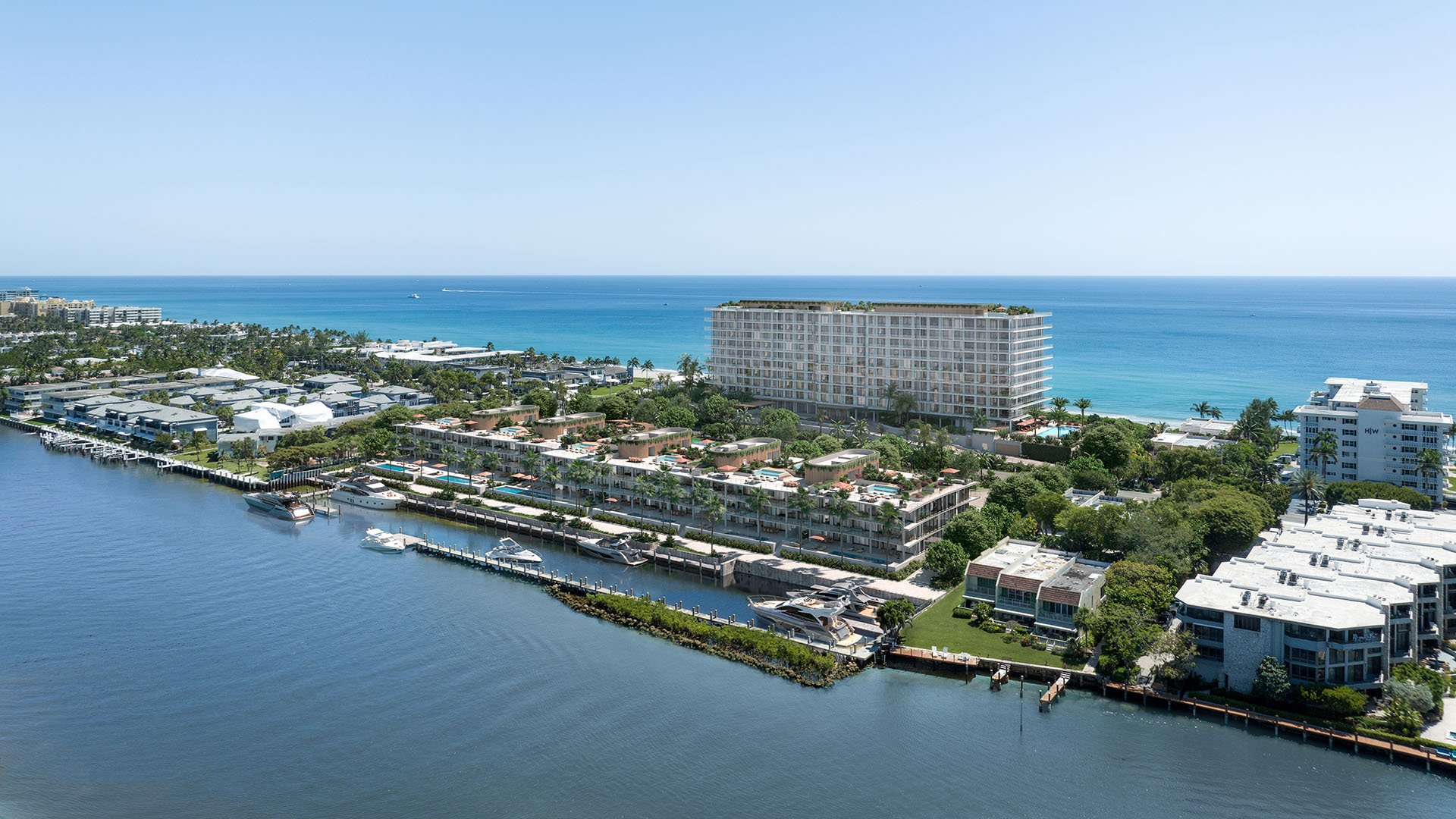
A Hillsboro Beach purchase can satisfy every conventional luxury criterion and still be wrong for a boating household. The decisive question is not simply whether a home has water frontage, but whether the property, dock arrangement, and entire navigation route suit the vessel the owner intends to use.
That distinction reshapes the search. Before comparing architecture, finishes, or entertaining space, prepare a vessel profile covering overall length, beam, draft, height, boarding needs, shore-power expectations, and service requirements. If the boat has not yet been selected, define a realistic range rather than basing the purchase on an undefined future possibility.
For buyers searching Hillsboro Beach inventory, this exercise separates visual appeal from practical utility. It also helps an adviser identify which questions require written confirmation and which conditions should be tested by the buyer's marine professionals.
Marina access is best understood as a chain. Start at the property and follow the intended route through every turn, channel, bridge, controlled opening, and destination relevant to the owner's routine. A constraint anywhere along that sequence can alter departure planning and the ownership experience.
Bridge clearance demands particular discipline. Buyers should not rely on a single quoted figure or an informal assurance that a vessel will fit. The relevant comparison is between the boat's actual height and the usable clearance under expected operating conditions. If a bridge opens, its procedures and timing should also form part of the route review.
Depth requires the same vessel-specific scrutiny. A boat drawing more water may face different considerations than a smaller craft at the same property. The buyer's captain, surveyor, or other qualified marine adviser should evaluate the route and explain any operating margin in practical terms.
A dock is not merely an amenity. It is a compact operating system with physical, legal, financial, and maintenance components. Buyers should establish what is included in the purchase, what may be used exclusively, and what remains subject to association, landlord, marina, or governmental approval.
The review should address berth configuration, permitted vessel profile, utility setup, access procedures, guest policies, staffing expectations, and responsibility for repairs. It should also clarify whether alterations, lifts, electrical work, or other improvements require approval. Any answer that materially affects the purchase should be documented rather than left as part of a sales conversation.
This is especially important when comparing a private waterfront residence with a condominium or marina-oriented alternative. The nature of the right, the rules governing it, and the owner's continuing obligations may matter as much as the physical berth.
A thoughtful comparison set can reveal whether the buyer truly wants private dockage, managed marina access, or proximity to boating without responsibility for a berth. In Hillsboro Beach, Rosewood Residences Hillsboro Beach can be considered within the local residential search, while nearby coastal alternatives help frame different ownership priorities.
A buyer extending the search toward Pompano Beach might compare The Ritz-Carlton Residences® Pompano Beach. Those considering Fort Lauderdale can add Riva Residenze Fort Lauderdale to the conversation. Farther north, The Residences at Mandarin Oriental Boca Raton offers a Boca Raton reference point.
These comparisons should not be reduced to amenity counts. The more useful question is which format aligns with the owner's actual habits: spontaneous departures, professional crew, frequent guests, seasonal use, or a preference for low-touch management.
Water frontage can command attention, but operational friction belongs in the valuation discussion. A route that demands more planning, a berth that cannot accommodate the intended vessel, or a dock arrangement with unresolved permissions may reduce the utility a particular buyer expects.
The reverse can also be true. A property that suits the owner's vessel and routine may merit greater consideration, even if another residence appears more dramatic in photographs. Luxury is not simply the presence of access. It is the ease, confidence, and privacy with which that access can be used.
Before making an offer, assemble a concise decision file containing the vessel profile, route review, dock documentation, applicable rules, anticipated operating obligations, inspection findings, and any required approvals. Appropriate legal, marine, insurance, tax, and construction professionals can then assess the issues within their respective disciplines.
The strongest negotiating position begins with identifying uncertainties early. If vessel compatibility or dock rights are central to the purchase, the buyer's advisers can determine how those matters should be investigated and addressed in the transaction documents. The objective is not to eliminate every variable, but to prevent an assumed benefit from becoming an expensive surprise.
Resale should remain part of the equation. A highly specialized setup may be ideal for one owner but offer less flexibility for the next. Buyers should distinguish between improvements that broaden usability and those tailored narrowly to a single vessel or operating style.
The final choice should connect three forms of fit: the residence must suit life on land, the dockage must suit the boat, and the route must suit the way the owner expects to travel. When all three align, waterfront ownership becomes coherent rather than merely picturesque.
Is water frontage the same as usable boating access? No. Buyers should test the dock arrangement and complete route against the intended vessel and operating routine.
What vessel details should be gathered first? Record overall length, beam, draft, height, boarding requirements, utilities, and anticipated service needs.
Why does bridge clearance affect a purchase? It can determine whether a vessel can use the intended route comfortably and under the conditions the owner expects.
Should a buyer rely on a stated clearance figure? No. A qualified marine professional should compare actual vessel dimensions with the route and relevant operating conditions.
What dock rights should be confirmed? Confirm ownership or use rights, exclusivity, vessel restrictions, transfer terms, access rules, and approval requirements.
Which dock costs deserve review? Examine utilities, maintenance, repairs, insurance considerations, staffing, association charges, and potential improvement costs.
Can a boat lift be added after closing? That possibility should be investigated before purchase, including physical feasibility and every applicable approval.
Who should inspect the boating setup? The buyer may need qualified marine, legal, insurance, construction, and other specialist advisers, depending on the property.
How should boating constraints affect an offer? Material limits, unresolved rights, required work, and operating friction should inform valuation and transaction strategy.
What makes a waterfront property a strong fit? The residence, dockage, route, and ownership obligations should all support the buyer's intended lifestyle and vessel.
If you'd like a private walkthrough and a curated shortlist, connect with MILLION.
If branded residences are on your mind — as a home or as an allocation — we would be glad to share what we are seeing, privately.
Begin a quiet conversation