For seasonal waterfront buyers in Fort Lauderdale, the practical relationship between a residence, its dockage, and the route to open water deserves careful review alongside the home's amenities.
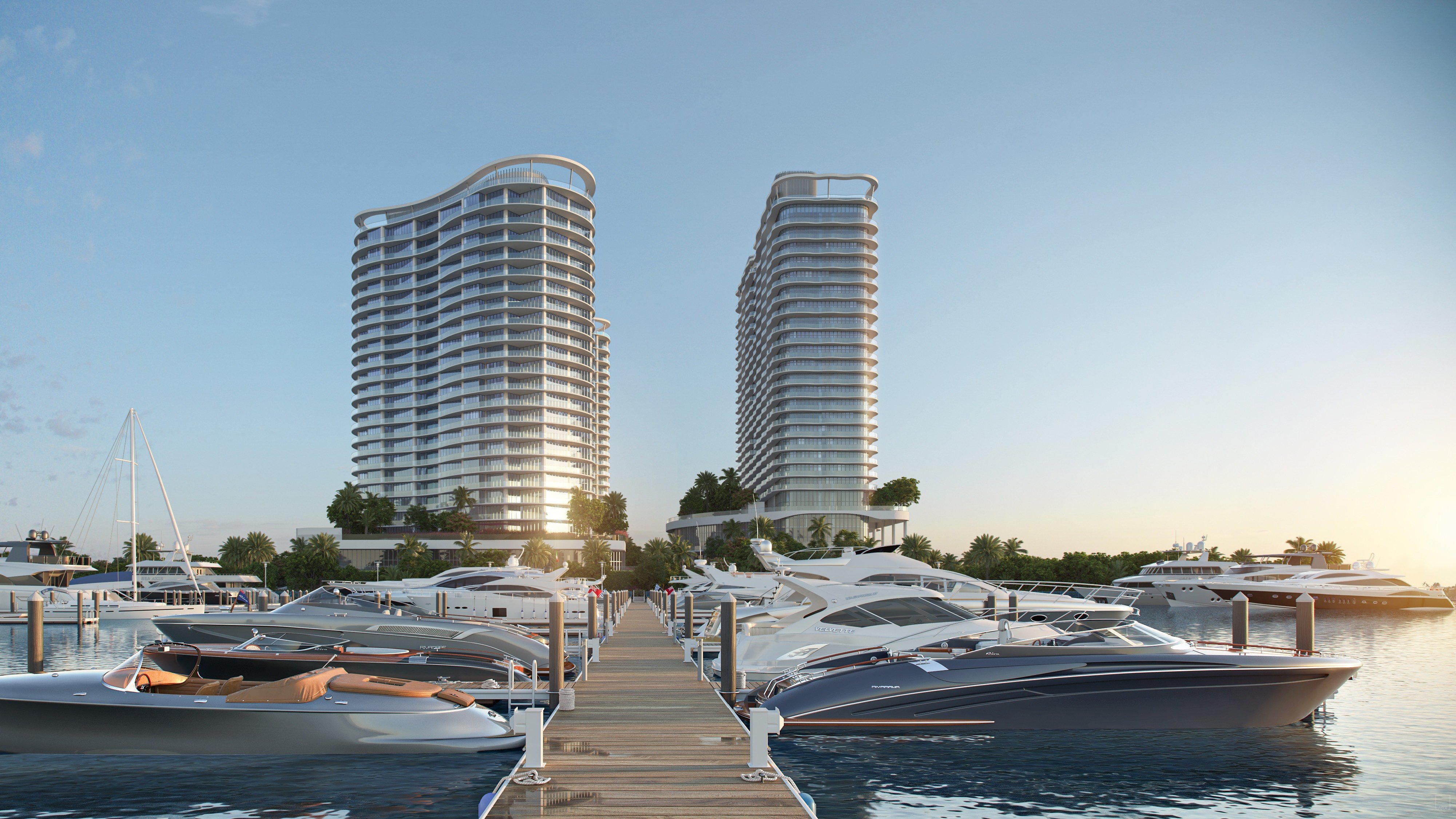
For a seasonal owner in Fort Lauderdale, a private dock is only one part of the boating experience. Its practical value also depends on the route beyond the property, including bridge clearance, navigable depth, maneuvering space, and the time required to reach open water.
An ocean-access description should therefore prompt detailed due diligence rather than serve as a complete answer. Buyers should evaluate the residence, dock, vessel, and route as one operating system.
Document the yacht’s full operating dimensions, including air draft and water draft. Equipment such as antennas, towers, and outriggers may affect clearance, while draft must be considered across the complete intended route rather than only beside the residence.
Ask a qualified marine professional to identify each fixed or movable bridge and any potentially restrictive segment between the dock and open water. If compatibility appears close, confirm the relevant measurements and conditions directly instead of relying on marketing language or estimates.
Straight-line distance does not capture the complete boating experience. A realistic review should account for bridge operations, slow-speed travel, current, turning maneuvers, and other conditions that may affect elapsed time.
Before committing to a residence, consider testing the route under circumstances similar to those expected during seasonal use. The useful measurement is the trip from departure at the dock to arrival at open water, not simply the distance shown on a map.
Confirm the usable dock dimensions, vessel fit, channel width, utilities, piling placement, fendering, current, depth, boarding arrangement, and room to maneuver. Buyers should also determine which association, marina, or municipal requirements may apply and have the relevant documents reviewed by qualified advisers.
If the residence cannot accommodate the primary yacht, a marina-based arrangement may still suit the owner’s routine. That comparison should consider transfer time, provisioning, crew access, security, and the practical demands of arriving for a limited seasonal stay.
A seasonal search may include coastal options such as St. Regis® Residences Bahia Mar Fort Lauderdale, Four Seasons Hotel & Private Residences Fort Lauderdale, and The Ritz-Carlton Residences® Fort Lauderdale, alongside an urban option such as Sixth & Rio Fort Lauderdale. These residences should be compared according to the buyer’s complete ownership plan, including where the yacht will be kept, how passengers will board, and how each boating day will begin and end.
A residence without private dockage may fit an owner who prefers professional marina services. A waterfront home may be more compelling when its dock and route align closely with the vessel and the owner’s intended schedule.
Before signing, assemble the vessel specifications, a marked route, verified bridge and depth information, a dock inspection, relevant rules, and notes from any trial run. Appropriate marine, legal, and property professionals can then assess the issues within their respective areas of expertise.
This process turns broad waterfront claims into practical questions about compatibility, timing, and everyday use. For a seasonal owner, that operational clarity may be more valuable than an amenity list viewed in isolation.
Does an ocean-access description guarantee that a yacht can reach the dock? No. The vessel and the complete route still require review for clearance, depth, and maneuvering constraints.
Why should buyers measure a yacht’s air draft carefully? The yacht’s full operating height may determine whether it is compatible with bridges along the intended route.
Is the depth beside the dock enough to establish compatibility? No. The relevant review should cover potential depth constraints throughout the route to open water.
Why can actual travel time differ from map distance? Bridge operations, slow-speed travel, current, and maneuvering can affect the duration of a boating trip.
What should a dock inspection address? It should examine vessel fit, dock condition, utilities, pilings, fendering, depth, channel width, and maneuvering space.
Should seasonal buyers test the route before closing? When feasible, a realistic trial run can help reveal how the route functions under expected ownership conditions.
Can a marina work better than private residential dockage? Yes. The answer depends on vessel compatibility, preferred services, transfer logistics, and the owner’s seasonal routine.
What rules may affect residential dockage? Association, marina, or municipal requirements may apply, so buyers should review the relevant documents with qualified advisers.
Which professionals can assist with boating due diligence? Depending on the property and vessel, buyers may consult marine, legal, and property professionals within their areas of expertise.
What belongs in a pre-contract navigation file? Include vessel dimensions, a marked route, verified bridge and depth information, dock findings, relevant rules, and any trial-run notes.
For a confidential assessment and a building-by-building shortlist, connect with MILLION.
If branded residences are on your mind — as a home or as an allocation — we would be glad to share what we are seeing, privately.
Begin a quiet conversation