For a Tokyo-based buyer, a Fort Lauderdale second home works best when residence selection, yacht dockage, crew authority, and hurricane planning are coordinated before the move.
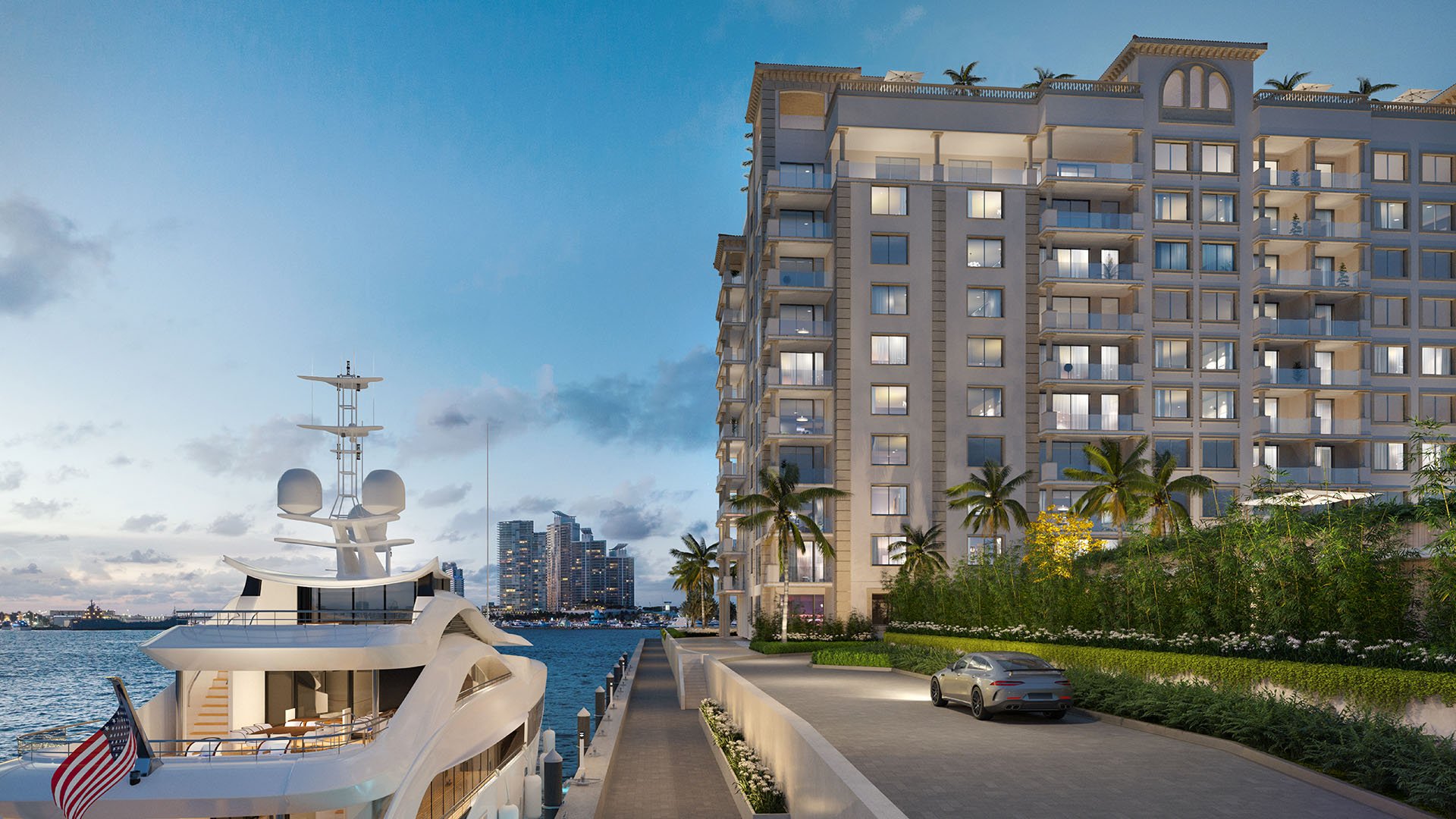
For a Tokyo-based owner, the appeal of a Fort Lauderdale second home is arriving to a household and yacht that are already prepared. That ease requires more than a residence with a water view. Evaluate the property, berth, captain, and storm plan together, while keeping their contractual obligations distinct.
Start with a written operating brief: the yacht’s dimensions, intended periods of use, crew arrangements, preferred dockage, and the person authorized to act locally. A beautiful address cannot resolve an unsuitable berth or a decision that must wait overnight for approval from Japan.
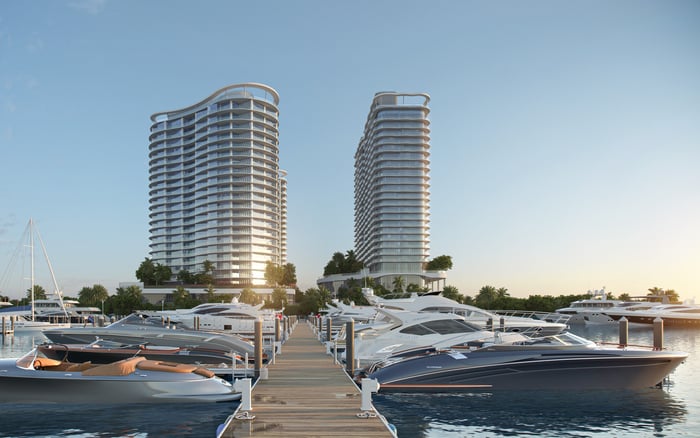
When considering St. Regis® Residences Bahia Mar Fort Lauderdale, keep residential due diligence separate from yacht arrangements. A project name or setting does not confirm slip rights, vessel compatibility, or storm refuge.
Treat the Japan-to-Florida movement and local arrival as separate workstreams. Obtain vessel-specific advice on transport options, routing, costs, customs treatment, and insurance before fixing the household’s arrival calendar. A marina reservation settles none of these matters.
For a planned Port Everglades arrival, ask the arrival agent to confirm applicable vessel-notice deadlines, crew-list requirements, and visitor-access procedures before setting the schedule.
Ask the agent and captain to agree on who submits each document, confirms receipt, and communicates schedule changes. Keep owner travel plans distinct from the vessel’s clearance process. Port-access documentation does not replace confirmation of crew visa or work eligibility with qualified advisers.
The objective is a coordinated handover, not simply a shared arrival date.
When evaluating Fort Lauderdale dockage, treat advertised marina capacity as a starting point rather than proof of available inventory or acceptance of a particular vessel. An inquiry should lead to a written compatibility review, not an assumption that a berth is secured.
Provide length overall, beam, draft, air draft, and shore-power requirements. Request confirmation of the proposed berth, route restrictions, bridge considerations, contract terms, and hurricane obligations. Any large-yacht haul-out arrangement requires separate confirmation.
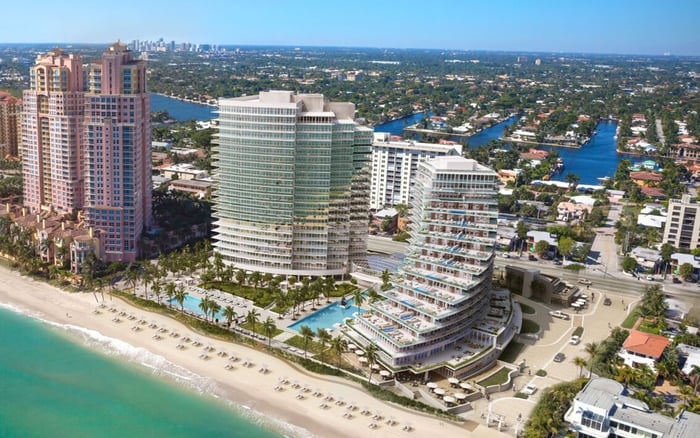
For a buyer evaluating Four Seasons Hotel & Private Residences Fort Lauderdale, assess the intended journey between residence and confirmed berth. Test the actual routine rather than relying on an impression of proximity.
The right berth must accommodate the people operating the yacht, not just the vessel’s dimensions. Before signing, ask about approved crew and visitor access, deliveries, vehicle arrangements, and access during restricted operations. Confirm these details directly; ordinary access should not be treated as guaranteed during a storm.
For an owner in Tokyo, designate a primary local decision-maker and an alternate. Consider a written authority schedule covering relocation decisions, emergency spending limits, contractor instructions, and notification requirements. Have the relevant advisers review it alongside marina agreements and insurance terms. This is a planning recommendation, not a universal legal requirement.
Crew accommodation warrants a separate review. If Sixth & Rio Fort Lauderdale enters the residential shortlist, verify any intended staff accommodation or access against the applicable property rules. Do not assume that a private residence also functions as crew housing.
A hurricane plan should identify where the yacht will go, who can order the movement, and when departure must begin. Ask the captain to verify current bridge restrictions and port orders, then establish movement triggers that leave time to act before access is restricted.
Read marina rules carefully. Have the captain and legal adviser reconcile the berth’s location, contract, applicable law, and current orders. Obtain a written answer on storm obligations before committing, rather than assuming the yacht may remain at its berth or that relocation will always be available.
If the plan allows the vessel to remain in a marina berth, have the captain agree on vessel-specific mooring and storm-surge preparations with the marina. Include a separate plan for trailerable tenders and confirm any intended haul-out arrangements. Tender arrangements do not establish haul-out availability for the yacht itself.
The home requires its own evacuation decision. Determine whether the property is in a flood or mandatory evacuation zone. If evacuation applies, select a destination and at least two routes in advance. Coordinate household departures with crew safety rather than assuming both groups can follow the yacht’s timetable.
When reviewing Auberge Beach Residences & Spa Fort Lauderdale, ask for the relevant property procedures and clarify the responsibilities of management, the owner, and any private caretaker. Establish who will secure the residence, retain essential records, and provide updates while the owner is abroad.
Keep verified local emergency and property-management contacts in both the household and vessel plans.
Before committing, seek three coordinated documents: a residential operating plan, a confirmed dockage agreement, and a vessel-specific hurricane plan. Each should identify responsibilities, decision deadlines, and an alternate contact. Resolve contradictions before the owner’s first stay, especially where household evacuation and yacht relocation compete for the same people.
The strongest second-home arrangement is not necessarily the one that places the yacht closest to the living room. It is the one that makes ownership manageable when the owner is in Tokyo and local action cannot wait.
Explore your Fort Lauderdale second-home priorities with MILLION.
If branded residences are on your mind — as a home or as an allocation — we would be glad to share what we are seeing, privately.
Begin a quiet conversationAsk the arrival agent to confirm applicable vessel-notice deadlines and clearance requirements before setting the schedule. Keep the vessel’s process separate from the owner’s travel arrangements.
The agent and captain should agree on submission responsibilities, deadlines, and receipt confirmation. Confirm crew visa or work eligibility separately with qualified advisers.
No. Availability, vessel compatibility, shore power, access restrictions, contract terms, and storm obligations require separate confirmation.
Provide length overall, beam, draft, air draft, and shore-power requirements. Request written confirmation of compatibility and route restrictions.
Do not assume it does. Residential purchase terms and dockage arrangements should be reviewed separately, with any slip rights confirmed in writing.
A written authority schedule with a primary decision-maker and alternate is a useful planning measure. Have advisers review it alongside marina agreements and insurance terms.
Have the captain verify current bridge restrictions and port orders. Set yacht-movement triggers that leave time to act before access is restricted.
Do not assume it can. Have the captain and legal adviser confirm the berth’s storm obligations against the contract, applicable law, and current orders.
Yes, include a separate plan for trailerable tenders and confirm any intended haul-out arrangements. Tender arrangements do not establish haul-out availability for the yacht itself.
Check flood and mandatory evacuation zones, and choose a destination and at least two evacuation routes if evacuation applies. Assign responsibility for securing the residence while the owner is abroad.