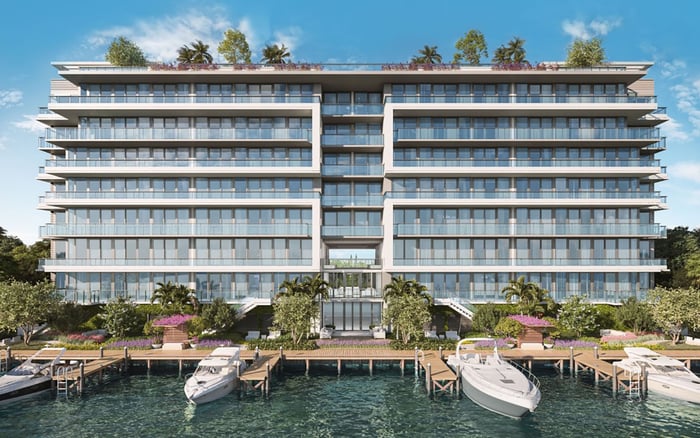
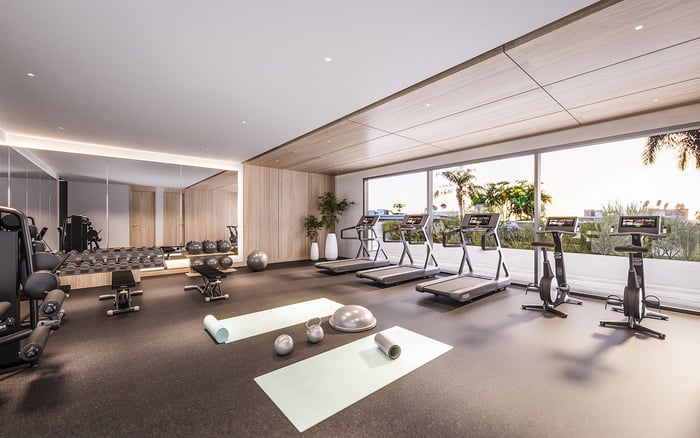
A discreet buyer’s guide to evaluating sightlines, vertical circulation, terrace exposure, amenity traffic, and potential waterfront-use rights at La Baia North.
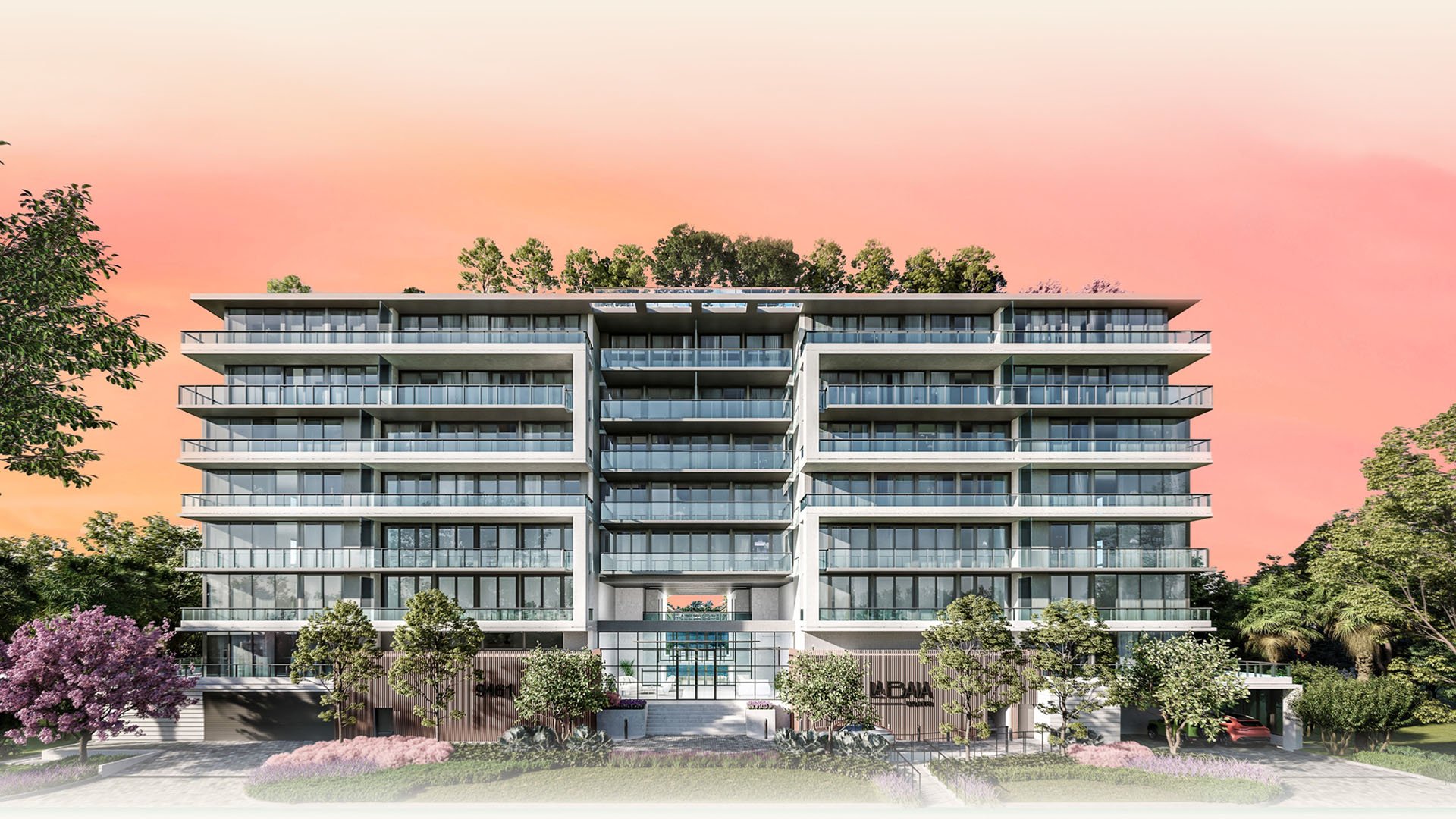
At La Baia North Bay Harbor Islands, a privacy review should begin with the specific residence rather than the building’s general positioning. Stack, floor, orientation, terrace geometry, neighboring structures, and circulation routes can each affect how secluded a home feels.
Buyers should request plans and visual materials corresponding to the residence under consideration. General renderings may help communicate design intent, but they cannot replace a floor-specific assessment of views, exposure, and movement around the property.
A waterfront outlook should be assessed horizontally and vertically. From inside the residence, test potential views toward neighboring buildings, common areas, waterfront activity, and adjacent terraces. From the terrace, consider whether nearby outdoor spaces may have direct or angled views into private areas.
Nighttime conditions deserve separate attention because illuminated interiors can be more visible from outside. Buyers should also examine whether common areas above or below a residence could introduce downward or upward sightlines.
Comparisons with Onda Bay Harbor and La Maré Bay Harbor Islands should remain residence-specific. The useful question is not which property is more private in general, but how a particular home relates to adjacent development, outdoor space, access points, and daily activity.
Elevator privacy cannot be determined from branding or renderings. Buyers should request current architectural and elevator plans, then confirm how residents, guests, deliveries, service personnel, amenity users, and waterfront users move through the building.
Trace recurring trips from the arrival point and parking area to the residence, amenities, and waterfront. Ask whether residential and service paths intersect, how guest access is controlled, and whether amenity traffic passes residential floors or private entry areas.
Peak-use periods are especially important. The review should consider how simultaneous arrivals, deliveries, social gatherings, and amenity use could affect waiting, crowding, or unwanted encounters.
Amenity placement matters, but the connecting routes matter just as much. Buyers should study how people travel among the lobby, parking, residences, outdoor areas, amenities, and waterfront edge.
A circulation plan may separate activities by location while still allowing their routes to overlap. Potential pressure points include elevator lobbies, residential corridors, equipment paths, guest waiting areas, and access points near private terraces.
Origin Bay Harbor Islands offers another local project to include in a residence-by-residence comparison. The analysis should focus on arrival sequence, outdoor exposure, common-area access, and the relationship between private and shared spaces.
Buyers should not assign value to a boat slip or other waterfront-use right until the controlling documents establish its legal and operational terms. Confirm whether any right is deeded, assigned, licensed, or classified through the condominium documents, and determine whether it transfers with the residence.
Review vessel restrictions, guest use, scheduling, access procedures, insurance requirements, utilities, maintenance, repairs, and any separately allocated costs. Buyers should also identify who controls the waterfront area and how passengers, equipment, and service providers reach it.
These details can affect both ownership obligations and the privacy of nearby residences. Legal counsel should review the governing language before a buyer relies on any waterfront-use representation.
Request the current condominium declaration, prospectus, site plan, residence floor plan, elevation, elevator plan, parking plan, amenity plans, and any waterfront or marina agreements relevant to the purchase. Confirm which materials are binding and whether the documents permit revisions.
The review should connect every promised feature to the selected residence. Buyers should verify delivered specifications, access arrangements, use restrictions, cost allocations, and any rights that are material to their decision before signing.
How should buyers begin a privacy review at La Baia North? Start with the exact residence and examine its floor, orientation, terrace geometry, neighboring structures, and circulation routes.
Why are general renderings insufficient for evaluating privacy? They may show design intent but may not resolve residence-specific angles, exposure, or movement around the selected home.
How should waterfront sightlines be assessed? Review views from interior rooms and terraces in multiple directions, including potential visibility from neighboring buildings and common areas.
Why should nighttime visibility be considered? Interior lighting can change how visible private rooms are from surrounding residences, terraces, or shared spaces.
What should buyers request about elevators? Request current plans and confirm routes for residents, guests, deliveries, service personnel, amenity users, and waterfront users.
How can amenity traffic affect residential privacy? Shared elevators, corridors, waiting areas, and access points can bring common-area activity close to private arrival zones.
What should be verified about a boat slip or waterfront-use right? Confirm its legal classification, transferability, restrictions, access procedures, costs, and maintenance obligations in the controlling documents.
Should buyers assume a waterfront-use right transfers with the residence? No. Transfer terms should be established by the purchase and condominium documents and reviewed by legal counsel.
Which documents are central to this review? Key materials include the declaration, prospectus, site and floor plans, elevations, elevator and parking plans, amenity plans, and applicable waterfront agreements.
What is the final privacy test before contracting? Trace routine resident, guest, service, amenity, and waterfront journeys against the selected residence and verify all material rights in writing.
For a tailored shortlist and next-step guidance, connect with MILLION.
If branded residences are on your mind — as a home or as an allocation — we would be glad to share what we are seeing, privately.
Begin a quiet conversation