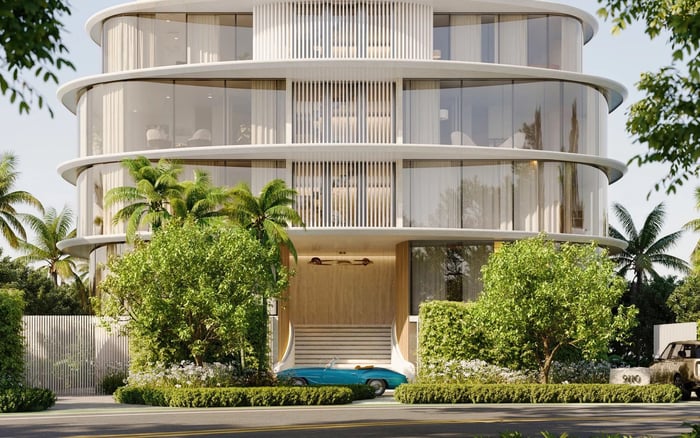
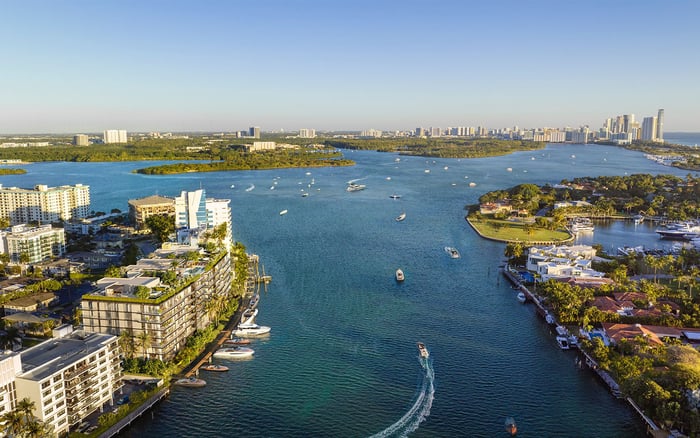
For Greenwich families considering Bay Harbor Islands, a disciplined purchase review connects flood mapping, building elevations, association coverage and personal-property protection before closing.
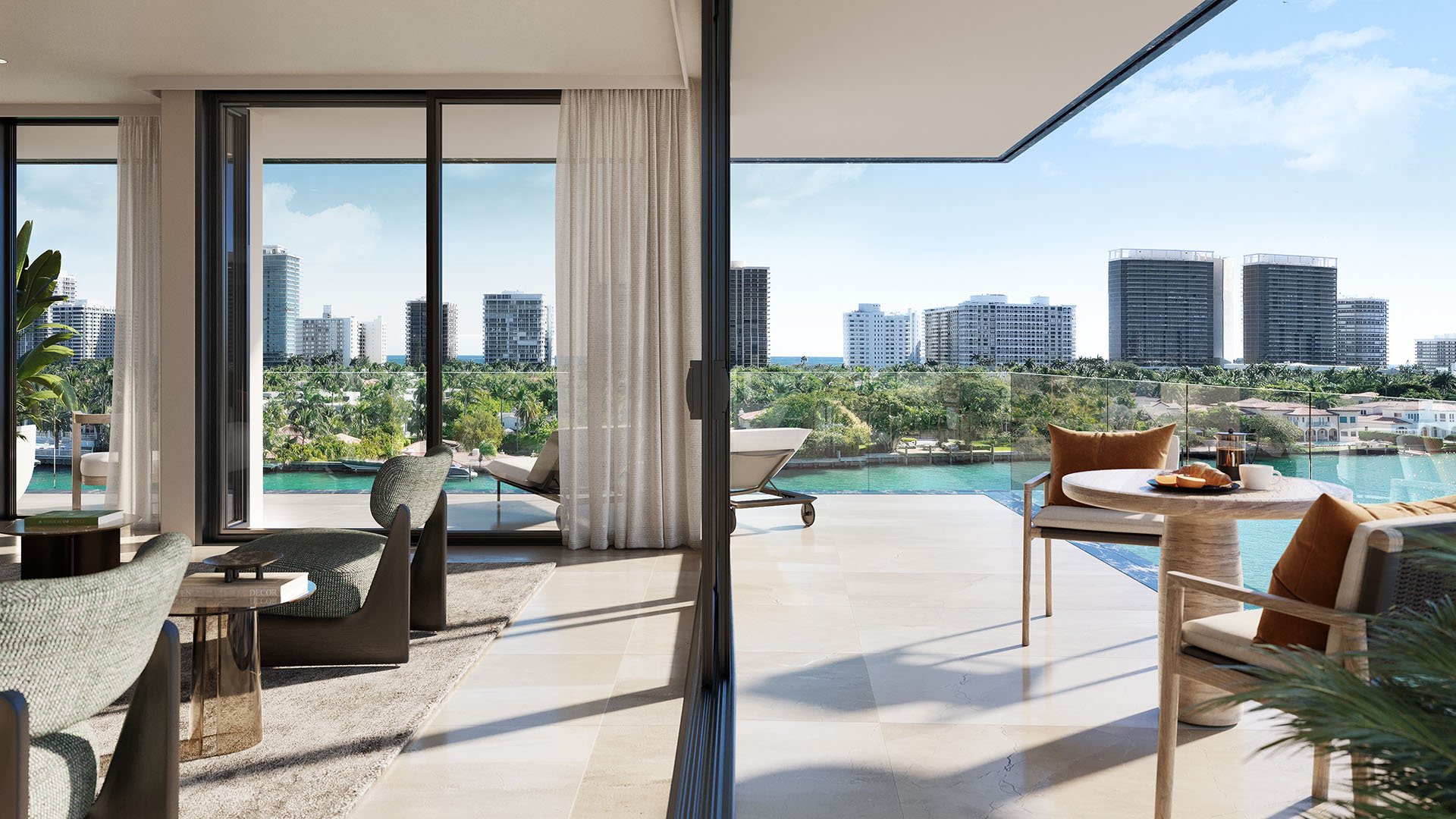
For a Greenwich family planning a move to Bay Harbor Islands, the residence is only part of the purchase. Waterfront appeal and an elegant floor plan deserve attention, but so do the documents that explain the building’s flood exposure. A disciplined review connects three questions: where the property sits, what its elevation information establishes, and which losses its insurance covers.
Every property in Bay Harbor Islands is in a flood hazard area. Flood review therefore belongs in every search, but that does not mean every building has the same FEMA designation, elevation or insurance needs. Those details require a property-by-property review.
Whether your shortlist includes Alana Bay Harbor Islands or another residence, request the same core information before treating two options as comparable. A consistent document request offers more than a reassuring description: it gives your insurance adviser, lender and attorney a shared starting point while the family evaluates the home itself.
For each target building, request its FEMA flood-zone designation, base flood elevation and any available elevation-certificate information. Have the property-specific mapping and elevation information interpreted together, rather than relying on a listing’s description of the unit’s floor.
Clarify what the mapping establishes and which elevation documents are available. If a certificate is provided, ask a qualified professional to explain the measurements relevant to the building. A single number is not a basis for a conclusion.
The phrase “100-year flood” also requires care. It describes a 1% chance in any given year, not an event that happens only once each century. It is neither a timetable nor a prediction that flooding is inevitable.
Forward-looking flood modeling can offer another perspective alongside current FEMA mapping. Keep their roles distinct: additional modeling can inform the family’s risk discussion, while the building’s designation and actual policy documents remain essential to the financing and insurance review.
An upper-floor residence does not make the building’s flood exposure irrelevant. Common areas and mechanical systems can be affected even when water does not reach the home. Elevation review should address the property as a functioning building, not simply the apartment’s location within it.
When considering Bay Harbor Towers, apply that building-level approach: request documentation of the elevations of relevant common areas and mechanical systems, then ask how those details relate to the flood information. Neither the project name nor the selected floor should substitute for that review.
Keep physical exposure separate from financial exposure. A residence may sit above affected areas while its owner still faces the consequences of uninsured or underinsured damage to common property. Ask your advisers to assess both the building’s vulnerability and the association’s capacity to fund losses that insurance does not cover.
“The building is insured” is not a complete answer. Standard condominium master property policies generally exclude flood. Evidence of a master policy alone does not establish that the association has separate flood protection, much less that its limits are appropriate.
A common association option is the National Flood Insurance Program’s Residential Condominium Building Association Policy, known as RCBAP. It is distinct from the ordinary master property policy. Eligibility requires at least 75% of the building’s floor area to be residential, making the residential share an important question for mixed-use properties.
Request the association’s flood-policy declarations and full policy, including limits and deductibles. Have an insurance adviser identify what is covered, what is excluded and how the deductible would operate. The declarations are a starting point; a meaningful coverage review requires the full policy.
For a purchase at Onda Bay Harbor, the same discipline applies: review the actual association documents rather than inferring coverage from the residence’s presentation. No project-specific coverage conclusion should be drawn without those documents.
Compare the association’s flood limit with the building’s replacement cost. If there is a gap, ask whether private excess flood coverage addresses it and have the adviser explain any remaining exposure. A general benchmark is neither a universal lender requirement nor a substitute for policy-specific analysis.
An association’s RCBAP insures building property, not an individual owner’s furniture, clothing or other personal belongings. Standard HO-6 condominium unit policies also generally do not include flood coverage. Neither policy should be assumed to provide the household’s personal-property flood protection.
Before arranging the move, establish replacement values for the belongings you intend to bring. Ask your insurance adviser to coordinate personal-property flood coverage with the HO-6 policy and the association’s insurance. For interior finishes, built-ins and upgrades, request a policy-specific explanation of responsibility rather than assuming they are all included or all excluded.
The association’s funding decisions deserve equal attention. Uninsured or underinsured flood damage to common property can create owner-assessment exposure, including for owners on higher floors. Request board records addressing insurance, deductibles and coverage decisions, then discuss how potential funding gaps would be handled.
If The Well Bay Harbor Islands is on your shortlist, include that governance review in the comparison. The objective is not to presume a weakness, but to understand the financial responsibilities of ownership before committing.
An upper-floor unit is not automatically exempt from a lender’s flood-insurance requirements when the building is in a Special Flood Hazard Area. Send the association’s flood coverage to the lender early enough to establish whether it is acceptable or whether additional unit-level coverage is needed.
Use one coordinated closing file, with clear responsibilities:
Have the property team assemble mapping, available elevation information and association records.
Have the insurance adviser review association coverage, household protection and potential gaps.
Have the lender confirm its flood-insurance requirements for the proposed purchase.
Have the attorney help clarify ownership obligations and unresolved document questions.
Keep lender acceptance distinct from the family’s broader protection goals. A financing decision does not resolve every question about belongings, deductibles or potential assessments. Ask for a concise written explanation of unresolved exposures before making the final purchase decision.
For Greenwich families, a well-coordinated move should leave room to enjoy the residence rather than revisit assumptions after closing. The goal is not a promise of zero risk, but an informed understanding of the building, the policies and the financial responsibilities that come with the keys.
For a considered approach to your Bay Harbor Islands home search, connect with MILLION.
If branded residences are on your mind — as a home or as an allocation — we would be glad to share what we are seeing, privately.
Begin a quiet conversationYes. Every property in town is in a flood hazard area, but each building’s exact FEMA designation and elevation information still require individual review.
It means a 1% chance in any given year. It does not mean flooding occurs only once per century or that it is inevitable.
Request the building’s FEMA flood-zone designation, base flood elevation and available elevation-certificate information. Have the mapping and elevation information interpreted together.
Flooding can affect common areas and mechanical systems even if it does not reach the residence. Uninsured or underinsured common-property damage can also create assessment exposure.
Standard master property policies generally exclude flood. Buyers should request separate evidence of association flood protection, including declarations and the full policy.
It is the National Flood Insurance Program’s Residential Condominium Building Association Policy, distinct from ordinary master property coverage. Eligibility requires at least 75% of the building’s floor area to be residential.
It insures building property, not an individual owner’s furniture, clothing or other personal belongings. Household flood protection needs separate coordination.
Standard HO-6 policies generally do not include flood coverage. Ask an insurance adviser to coordinate personal-property flood coverage using the household’s replacement values.
Compare the flood limit with the building’s replacement cost and ask whether private excess flood coverage addresses any gap. Review deductibles and board records concerning coverage decisions as well.
Yes, an upper-floor unit is not automatically exempt when the building is in a Special Flood Hazard Area. Have the lender review association coverage before closing to determine whether additional unit-level coverage is needed.