A reserve credit facility could defer capital costs without eliminating them. For prospective Four Seasons Fort Lauderdale owners, the essential distinction is between documented development financing, association cash reserves, and any borrowing that would need property-specific confirmation.
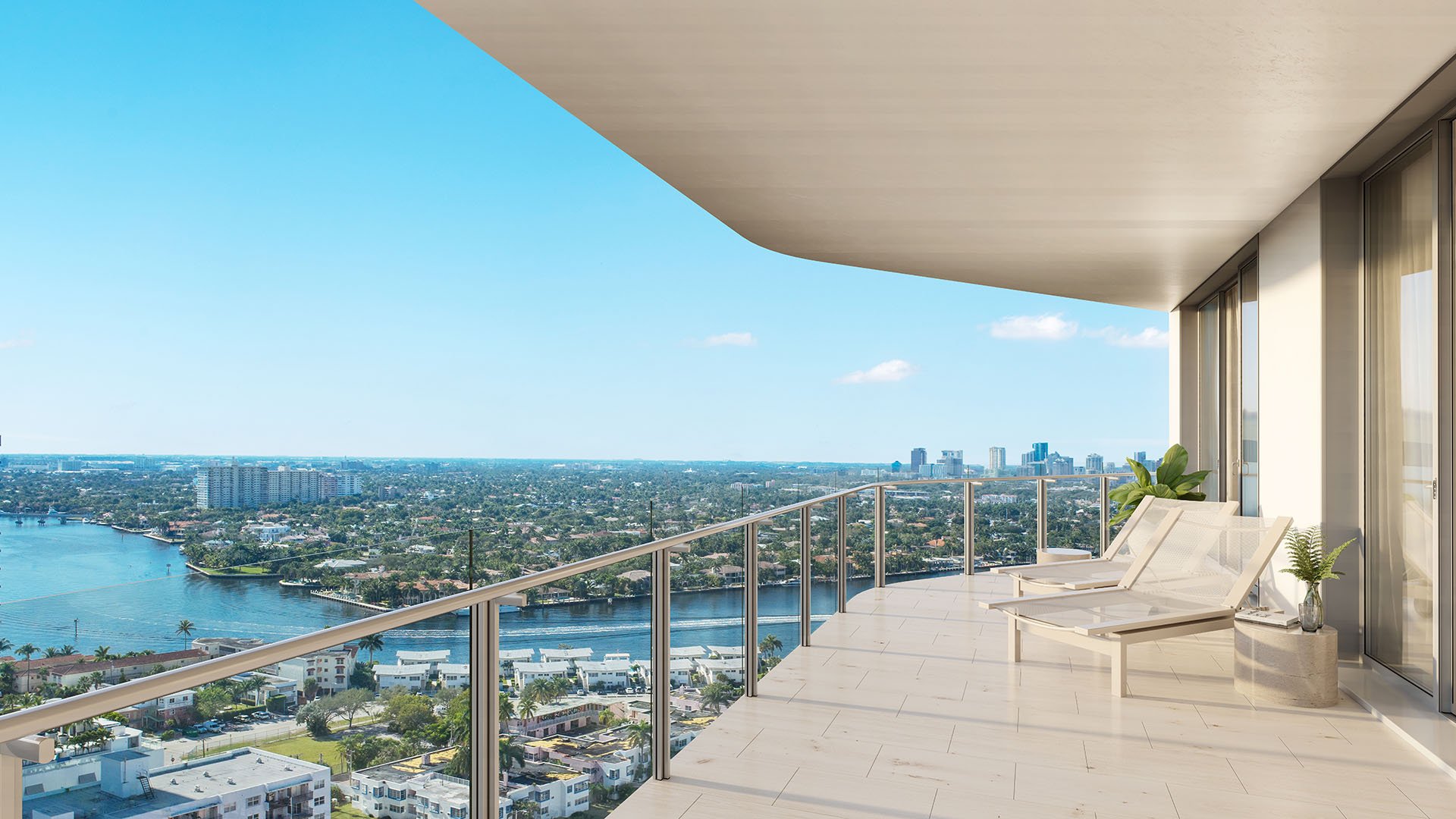
At Four Seasons Hotel & Private Residences Fort Lauderdale, the ownership proposition begins with a beachfront address and a hospitality identity. The financial evaluation should begin somewhere less visible: the distinction between cash accumulated for future work and money borrowed to fund it.
An active reserve-specific line of credit at this property is not established. Nor are any balance, collateral, repayment terms or allocation among owners. The question is therefore conditional-not an assertion that the association has borrowed for reserves or transferred costs to incoming purchasers.
The distinction matters. Borrowing could change when owners pay for capital work without eliminating the expense. For a buyer, the central question is whether today's carrying cost reflects tomorrow's obligations-and which documents would establish the answer.
The property is a 22-story hotel-and-residential development at 525 North Fort Lauderdale Beach Boulevard, developed by Fort Partners in partnership with Four Seasons. A $210 million construction loan was announced in December 2019. That was development financing, not evidence of an association reserve credit facility.
These are separate financial questions. A construction loan finances the development. Evaluating an association credit line would require identifying the borrower, permitted uses, outstanding debt and repayment mechanism. The existence of one does not establish the other.
The private residences are described as sold out, with inquiries invited about purchase opportunities. Sold-out status, however, does not establish association turnover or owner control. Buyers should assess governance separately from sales status, particularly when determining who approved a budget, capital program or borrowing arrangement.
Consider a hypothetical association facing capital expenditures before it has accumulated sufficient cash. A credit line could provide liquidity to begin work sooner while spreading payment over a longer period. That flexibility could be useful, but liquidity is not the same as accumulated reserves.
If funds were drawn and repayment continued after a residence changed hands, subsequent owners could contribute to debt service through association charges. This would not necessarily mean a purchaser personally assumed the association's loan. The governing documents, financing agreement and transaction terms would need to distinguish the buyer's economic exposure from the legal obligation.
Several variables would determine the effect. An undrawn facility warrants a different assessment from an outstanding loan, though any commitment fees would still merit review. A variable interest rate could make future payments less predictable. A substantial payment at maturity could concentrate the funding need rather than spread it over a smooth schedule.
Borrowing could also run alongside continuing reserve contributions. Buyers should not assume debt service replaces every future capital contribution. The central test is whether the funding plan addresses both repayment and the building's remaining needs-not whether it makes the current monthly charge appear more comprehensive than it is.
Selected resale units carried approximately $4,727-$6,004 in monthly HOA or maintenance charges in April 2026, depending on size and layout. These figures are neither a building-wide fee schedule nor a current quote for a particular purchase.
For regional context, monthly association fees for typical three- and four-bedroom residences in hospitality-branded buildings range from $4,000 to $8,000-plus. This is a broad comparison, not a property-specific assessment of value or financial adequacy.
Full-service luxury-condominium budgets generally include management, security, basic amenity access, maintenance and reserve contributions. Building insurance generally covers the structure and common areas, while owners remain responsible for contents coverage. Trash removal and common-area water and sewer are also standard categories, but individual-unit inclusions require confirmation.
For a purchaser also considering Auberge Beach Residences & Spa Fort Lauderdale, the useful comparison is not simply one monthly total against another. Request a consistent breakdown of operating services, insurance, reserves and any debt service before drawing conclusions. The comparison implies no financing arrangement at that property.
Begin with the association's adopted budget and financial statements. Ask how much reserve cash is held, what purposes it serves and whether reported liquidity includes borrowed proceeds. A cash balance alone does not explain the associated liabilities or future commitments.
Next, review the reserve study or applicable capital-planning documents alongside anticipated work. The questions are practical: what will need funding, when is spending contemplated, and how does the funding schedule align with those needs? A reserve contribution is more informative when measured against the expenditures it is intended to support.
If borrowing is proposed or outstanding, request the executed credit agreement, amendments, current lender balance, draw history and repayment schedule. Examine the interest structure, maturity, fees, collateral and repayment source. Confirm the approval history with counsel rather than inferring authority from branding or sales status.
Finally, connect association-level figures to the specific residence. Request written confirmation of its allocation of common expenses, outstanding assessments and any charges tied to debt service. Have counsel review how the purchase contract treats amounts due before and after closing. Do not assume a seller's payment resolves every later funding obligation.
A shared hospitality identity is no substitute for separate financial reviews. A buyer considering The Surf Club Four Seasons Surfside alongside Fort Lauderdale should request each property's own budget, reserve position and governing documents rather than treating the brand as a common financial template.
For a hotel-and-residential purchase, ask how shared expenses are allocated among the relevant components and which obligations belong to the residential association. This is a diligence question, not a conclusion about this property's arrangements. The documents should explain the relationship between the services enjoyed and the costs assigned.
Florida's structural-reserve framework adds another reason to obtain current legal guidance. Past legislative changes alone do not establish this building's present obligations, borrowing permissions or compliance deadlines.
The conclusion is neither that borrowing is inherently undesirable nor that a prestigious address makes reserve analysis unnecessary. A clearly defined facility could bridge a timing mismatch. A repayment plan extending well beyond closing could also leave future owners funding earlier capital expenditures, potentially with interest and fees.
No property-specific amount can responsibly be assigned to that possibility here. Instead, compare the purchase price with a forward-looking ownership budget that separates ordinary operations, reserve contributions, any debt service and potential assessments. For a discretionary residence, financial clarity is part of the luxury: understanding the commitments attached to the experience before acquiring it.
For a discreet perspective on South Florida ownership opportunities, connect with MILLION.
If branded residences are on your mind — as a home or as an allocation — we would be glad to share what we are seeing, privately.
Begin a quiet conversationAn active reserve-specific line of credit is not established. Its existence and terms would require property-specific confirmation before a buyer could assess any exposure.
No. The financing announced in December 2019 was development financing, not evidence of an association reserve credit facility.
The 22-story beachfront hotel-and-residential development is at 525 North Fort Lauderdale Beach Boulevard.
Fort Partners developed the project in partnership with Four Seasons.
Selected resale units carried approximately $4,727–$6,004 in monthly HOA or maintenance charges in April 2026. Those figures are not a building-wide schedule or a current quote for a specific residence.
If repayment continued after closing, a subsequent owner could contribute toward debt service through association charges. That economic exposure is distinct from personally assuming the association's loan.
An undrawn facility should be evaluated differently from borrowed funds already outstanding. Any commitment fees and conditions for drawing funds would still deserve review.
Request the adopted budget, financial statements, reserve planning documents and unit-specific charge information. If borrowing exists, also request the credit agreement, current balance, draw history and repayment schedule.
No. Sold-out status does not establish association turnover or owner control, which should be evaluated separately.
No property-specific amount is established. Quantification would require confirmed borrowing terms, a funding plan and the applicable allocation to the residence.