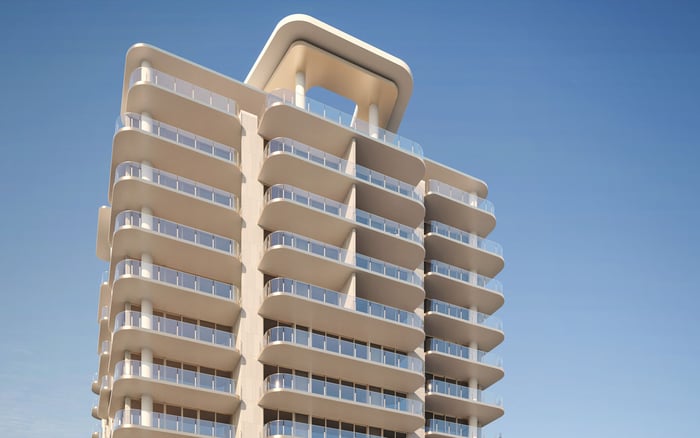
A considered purchase at The Ritz-Carlton Residences® West Palm Beach separates construction financing from association capital funding. Here is how to evaluate deposits, recurring costs, future capital needs and a resale strategy without assuming an optimal exit date.

A purchase at The Ritz-Carlton Residences® West Palm Beach warrants a financial review separate from the residence's appeal. A capital-project funding plan addresses how an association prepares for future common-property repairs and replacements. It is distinct from the financing used to construct the building and can affect both an owner's liquidity and a future buyer's assessment of carrying costs.
Do not treat a reserve balance, assessment schedule, monthly fee or closing contribution as established without reviewing the applicable documents. The question is not whether a luxury brand eliminates capital risk, but whether the ownership obligations fit your intended holding period.
Confirm the current delivery target and contractual timing provisions in the purchase documents. Treat a target as a planning reference, not a guaranteed delivery date.
Construction financing supports development. It does not establish that the future condominium association has adequate reserves for repairs, replacements or other capital work. Likewise, presale activity is not the same as completed closings or an association balance sheet.
Keep these categories separate in your underwriting. One concerns the path to delivery; the other, the cost of ownership after delivery. Neither a construction loan nor strong presales can substitute for a review of the proposed association budget and reserve schedule.
Start with the contract, not a customary deposit percentage. Record each payment by amount, due date and contractual trigger, then align those obligations with your liquidity plan.
Pre-closing deposits.
Identify the initial deposit and subsequent installments. Have counsel review the applicable deposit provisions, including what the contract says about timing changes. Track cash committed before occupancy separately from the cost of living in the residence.
Closing cash.
Calculate the remaining purchase balance after credited deposits, account for financing proceeds if applicable, and include transaction expenses. Add required association or working-capital contributions only when documented. Keep furnishing and move-in spending outside the purchase-price line so the total commitment remains visible.
Recurring ownership costs.
Build an annual schedule for association charges, property taxes, residence-level insurance, utilities and financing costs where relevant. Review what the association charge includes before adding separate allowances. Pay particular attention to any brand and management fee provisions to avoid omissions or double counting.
Potential capital calls.
Maintain a separate contingency for possible assessments or other capital contributions. This is a planning allowance, not a statement that an assessment has been announced. Its purpose is to preserve flexibility if obligations change.
The calendar should show when cash leaves your control, not merely the total purchase price.
Request the proposed operating budget, reserve schedule, deposit schedule, closing contribution provisions and any relevant brand or management agreements. Establish which figures remain estimates and which obligations are fixed by the contract or governing documents.
For any capital schedule provided, examine the components covered, anticipated timing, cost assumptions, funding sources and allocation to your residence. Ask how planned expenditures reconcile with contributions and available balances. If a shortfall appears, seek a written explanation of the proposed response rather than assuming ordinary dues will absorb it.
A lower monthly charge is not automatically the more conservative choice. As a general funding mechanism, regular reserve contributions spread cash requirements over time; a capital call concentrates them. The monthly figure alone is insufficient to evaluate either approach.
If Alba West Palm Beach is also on your shortlist, apply the same document requests. Compare the scope of included costs, not simply the headline association charge. Do not presume the two properties use the same funding structure.
Confirm the services, amenities and management arrangements applicable to your purchase in the offering and governing documents. Distinguish included services from those carrying separate charges, and identify any provisions governing changes.
The appeal of a service or amenity does not explain how operations and eventual replacements will be funded. Review service costs alongside capital provisions. Ask which expenses belong in the operating budget and which are addressed through reserves or another documented mechanism.
A buyer also considering Mr. C Residences West Palm Beach should distinguish service preferences from financial obligations. A brand comparison is most useful alongside a document-by-document cost comparison, without assuming equivalent fees or reserve practices.
Build a base case from contract figures and clearly identified estimates. Then test three separate variations: later delivery, higher recurring charges and a hypothetical capital assessment. These are sensitivity exercises, not announced changes at the property.
For a delivery delay, consider continued housing costs and the effect of deposits remaining committed longer. For higher charges, measure the added annual cash requirement across your intended ownership period. For a capital call, test whether you could meet the obligation without selling another asset on an unfavorable timetable.
Combine the variations in a final downside case. The objective is not to forecast a precise outcome, but to determine whether the purchase remains comfortable when several assumptions move against you.
There is no established basis here for assuming prices will peak at delivery or that selling one to three years afterward is optimal. A disciplined exit review weighs expected net proceeds against the cost and flexibility of continuing to hold.
Review then-current association finances, known capital obligations, competing inventory and closed comparable sales. A contract announcement is not a closed resale comparable or a valuation shortcut for another residence.
If Forté on Flagler West Palm Beach forms part of your comparison set, distinguish asking prices, contract announcements and completed transactions before drawing conclusions.
Before listing, ask counsel to review how any assessment obligations would be allocated under the proposed sale contract. Compare net sale proceeds after transaction costs and financing payoff with the carrying costs of a longer hold. The strongest planning advantage is the ability to choose your timing rather than depend on an assumed appreciation window.
For a discreet review of your West Palm Beach purchase priorities, connect with MILLION.
If branded residences are on your mind — as a home or as an allocation — we would be glad to share what we are seeing, privately.
Begin a quiet conversationIt addresses how an association prepares to fund future common-property repairs and replacements. Buyers should review it separately from developer construction financing.
No. Review what the charge includes and how future capital needs will be funded before comparing costs.
Confirm the current target and contractual timing provisions in the purchase documents. Model the liquidity effects of later delivery rather than treating a target as guaranteed.
No. Construction financing supports development; future association capital funding requires a separate review of budgets and reserve documents.
No specific assessment amount, monthly charge, reserve balance or closing contribution is established in this article. Use the applicable association and purchase documents before quantifying those obligations.
Request the proposed operating budget, reserve schedule, deposit schedule, closing contribution provisions and any relevant brand or management agreements. Identify which amounts are estimates and which obligations are contractually fixed.
Separate pre-closing deposits, closing cash, recurring ownership costs and a contingency for potential capital calls. Use contract amounts and payment triggers rather than generic deposit percentages.
Confirm included services and separately charged offerings in the applicable documents. Review operating costs alongside the funding provisions for eventual repairs and replacements.
No optimal resale window is established. Evaluate documented carrying costs, known capital obligations, competing inventory and closed comparable sales when considering an exit.
No. Distinguish asking prices and contract announcements from completed transactions before drawing valuation conclusions.