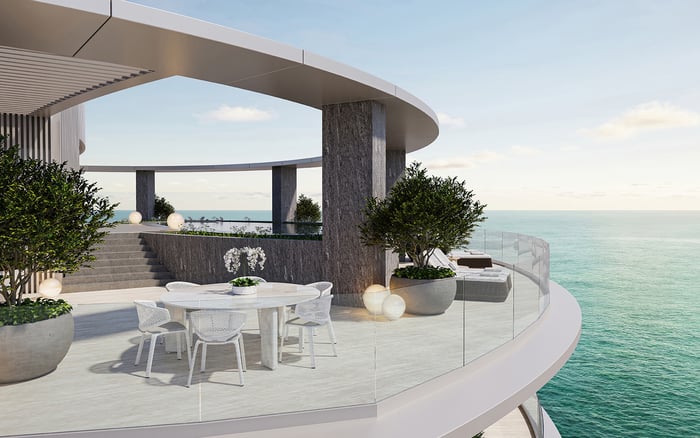
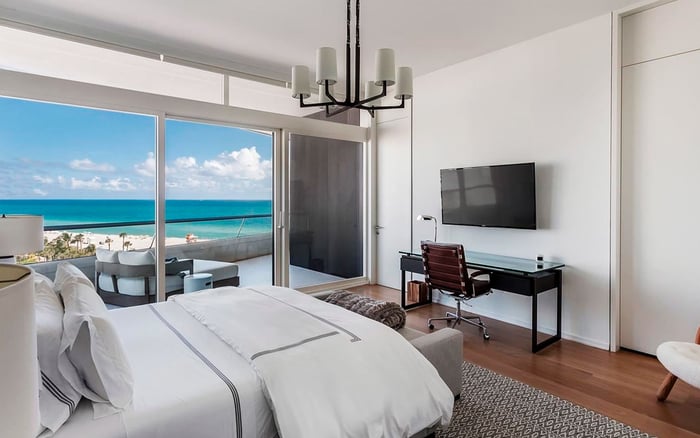
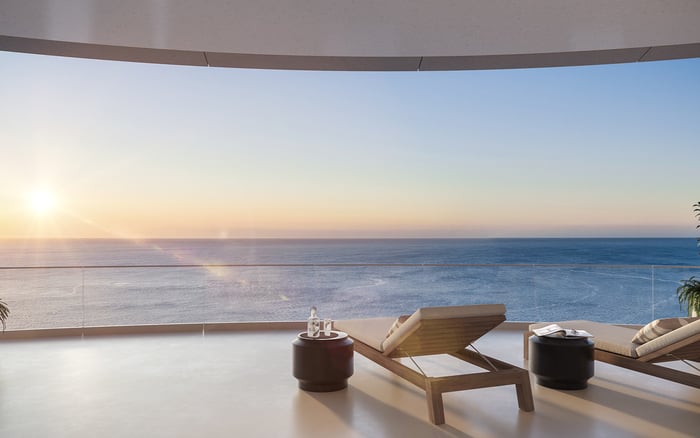
A discreet buyer guide for California technology founders evaluating Mila Bay Harbor Islands through privacy, service, governance, neighborhood context, and long-term ownership fit.
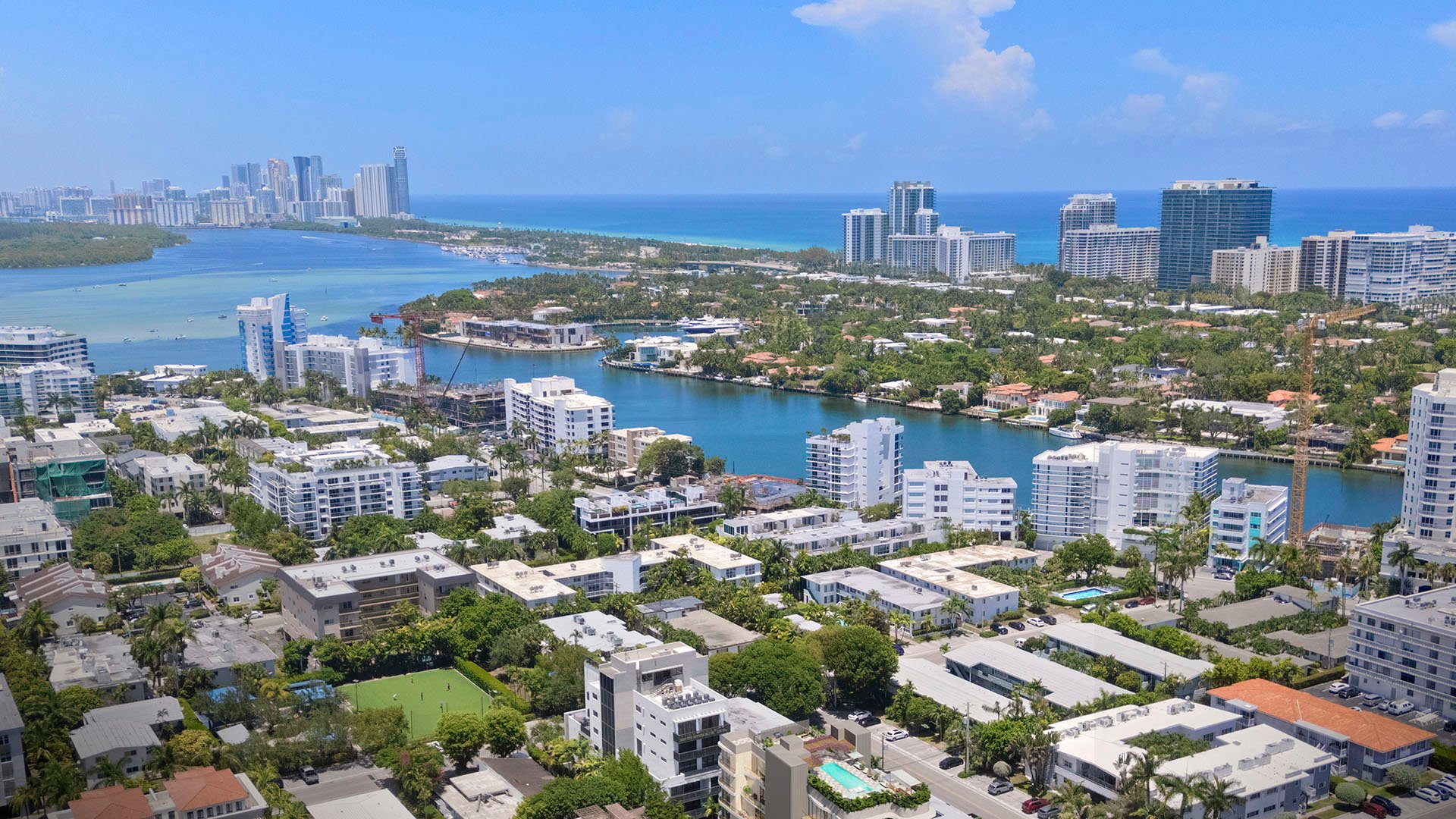
For California technology founders considering Bay Harbor Islands, the central question around Mila Bay Harbor Islands is not simply whether the condominium is attractive. The sharper question is whether its operating model supports a life defined by discretion, mobility, security awareness, and long-range planning.
That distinction matters. A founder moving between California, South Florida, New York, Europe, or a distributed team calendar may use a residence differently from a conventional second-home buyer. The home may be a private retreat one week, a family base the next, and an occasional operational point for confidential calls, investor conversations, or board-level preparation. In that context, finishes and views are only part of the evaluation.
Bay Harbor Islands appeals because it is positioned as a quieter, more residential alternative to denser Miami-area luxury markets. It sits near the gravity of Bal Harbour and Miami Beach without feeling like a stage. For a high-visibility buyer, that restraint can be an advantage. Boutique scale, however, deserves close examination. It can mean intimacy and fewer layers between resident and building life, but it also places greater weight on operations, staffing, governance, and resident culture.
Privacy for a founder is not an abstract luxury term. It is a daily operating condition. At Mila, diligence should begin with how a resident moves from arrival to residence, how guests are announced, how staff interactions are handled, and how predictable resident patterns may become over time.
The questions are practical. How are visitors screened? What is the protocol for assistants, drivers, security consultants, personal staff, and family guests? How often must a resident interact with front-facing personnel? How is vendor access handled when the owner is away? A building can sound private in marketing language yet still create friction if its procedures are casual, inconsistent, or overly visible.
This is where Bay Harbor Islands may suit a founder who values discretion over spectacle. The neighborhood context is calmer than many denser luxury corridors, and that lower-key setting can reduce social exposure. Still, the building itself must meet the same standard. Privacy is strongest when architecture, staffing, policy, and resident behavior work in concert.
Service should not be evaluated as an amenity checklist. For founders, the deeper issue is whether the building can deliver consistent, intelligent support over years of ownership. A residence that works beautifully during a first season can feel very different after turnover, board changes, policy revisions, or increased resident demands.
A buyer should ask how service standards are maintained, how staff are trained, how after-hours needs are addressed, and how the association handles resident requests that require judgment rather than routine execution. The goal is not unlimited service. It is reliable service with boundaries, discretion, and professional continuity.
This is also where comparisons within Bay Harbor Islands can be useful. A buyer may look at Alana Bay Harbor Islands and Onda Bay Harbor not to rank them against Mila on surface style, but to understand how different boutique buildings express privacy, hospitality, and residential rhythm. The right building is the one whose systems match how the owner actually lives.
For sophisticated buyers, governance can be more important than the most photogenic amenity. Founders are used to thinking in systems, incentives, and risk. A condominium is also a system, shaped by budgets, reserves, boards, insurance, maintenance priorities, house rules, capital planning, and resident expectations.
At Mila, due diligence should include operating documents, rules around leasing and guests, procedures for renovations and repairs, insurance posture, resilience planning, and how decisions are made when resident interests differ. A founder who travels frequently may need confidence that the building functions predictably in absence. A family office may want clarity on approval processes, reporting, and long-term capital obligations.
The same logic applies to technology and building systems. Buyers should understand backup capabilities, communications reliability, package and delivery protocols, cybersecurity awareness around resident data, and procedures for emergencies. None of these questions require drama. They simply reflect the way security-conscious owners evaluate any important asset.
A founder's notes may group the decision under lifestyle, second-home, investment, and resale, but Mila should be judged as a single living proposition. Does the residence support decompression after travel? Can family members use it comfortably without the owner present? Does the neighborhood feel calm enough for true retreat, yet connected enough for meetings, dinners, schools, wellness routines, and airport movement?
Mila's Bay Harbor Islands setting may appeal to buyers who want proximity without density. That said, some founders may prefer the energy of Brickell, the oceanfront identity of Miami Beach, or the branded-service environment of larger projects. A buyer comparing Mila with The Residences at 1428 Brickell is not comparing like with like. The real comparison is between a quieter residential posture and a more urban, business-oriented environment.
For families, long-term fit also includes intergenerational planning. Will adult children want to use the residence? Can parents or guests occupy it comfortably? Is the building culture likely to feel appropriate over time? The best acquisition is not merely impressive at closing. It remains useful through market cycles, family changes, and new patterns of work.
Technology founders often understand that optionality has value. In real estate, optionality includes the ability to hold comfortably, rent or lend within the rules, pass the asset through family structures, or resell into a clear future buyer audience. Mila's boutique profile may appeal to a specific buyer who values discretion, neighborhood calm, and manageable scale. That focus can be powerful, provided it remains aligned with future demand.
Resale analysis should consider who the next buyer might be. Is the likely audience another bicoastal owner, a local downsizer, a family seeking a quieter Miami-area base, or an investor looking for durable luxury fundamentals? The answer affects how a buyer should think about floor plan flexibility, service consistency, association health, and broader Bay Harbor Islands appeal.
Resilience deserves equal attention. In South Florida, serious owners look beyond aesthetics to maintenance discipline, building systems, insurance realities, and long-term stewardship. The aim is not to eliminate risk. It is to understand whether the building is governed and operated with the seriousness expected by a buyer who treats property as both sanctuary and asset.
Mila deserves to be evaluated with the same discipline a founder might bring to a company acquisition. The product matters, but so do the operators, rules, culture, and downside cases. Ask how the building protects privacy without becoming inconvenient. Ask whether service is durable rather than performative. Ask whether the neighborhood supports the owner's actual week, not an imagined vacation version of it.
A buyer might also study nearby alternatives such as The Well Bay Harbor Islands to understand how wellness positioning, boutique living, and Bay Harbor Islands identity differ across projects. The exercise is not about choosing the loudest narrative. It is about identifying the most compatible operating environment.
For the right founder, Mila may offer the kind of quieter luxury that becomes more valuable with use. For the wrong one, boutique living may feel too intimate, too dependent on building culture, or insufficiently aligned with business-driven mobility. That is why the purchase should be framed less as a trophy acquisition and more as a fit decision.
Why should California technology founders evaluate Mila differently from typical buyers? Founders may use the residence as both a retreat and an occasional operational base, which makes privacy, systems, and service especially important.
Is privacy at Mila only about security? No. Privacy includes access control, staff interaction, guest protocols, vendor procedures, and the owner's exposure within daily building life.
Why does boutique scale matter? Boutique scale can support discretion, but it also makes governance, staffing consistency, and resident culture more visible in day-to-day ownership.
What should buyers ask about service? They should ask how service standards are maintained over time, how staff handle sensitive requests, and how after-hours needs are managed.
How important is Bay Harbor Islands as a neighborhood? Its quieter residential character may appeal to founders who want proximity to Miami-area amenities without the intensity of denser markets.
Should a founder compare Mila with Brickell projects? Yes, but as a lifestyle comparison rather than a direct product match. Brickell may suit a more urban business rhythm.
What governance issues matter most? Buyers should review rules, budgets, reserves, insurance posture, leasing policies, renovation processes, and board decision-making procedures.
Can Mila work as a long-term family asset? It may, if the residence, building culture, and neighborhood context support family use, guest needs, and intergenerational planning.
How should resale be considered? Buyers should identify the likely future audience and assess whether Mila's privacy, service model, and location will remain compelling.
What is the simplest buying framework for Mila? Treat it as an operating environment, not just a residence, and test whether it fits the owner's security, service, and lifestyle expectations.
For a confidential assessment and a building-by-building shortlist, connect with MILLION.
If branded residences are on your mind — as a home or as an allocation — we would be glad to share what we are seeing, privately.
Begin a quiet conversation