For Surfside buyers, hurricane-season planning extends beyond protecting the residence. Freight-elevator availability, art-installation timing and courier admission require separate written confirmations, with equipment clearance taking precedence over delivery reservations.
An exceptional residence is not fully ready for its owner simply because the purchase has closed. For a Surfside buyer coordinating furnishings, a significant artwork or a time-sensitive handover, readiness also depends on whether people and objects can reach the apartment. During hurricane season, that distinction belongs beside the design brief and move-in calendar.
The Atlantic hurricane season runs from June 1 through November 30. The practical lesson for 2026 is not that Surfside has introduced new freight or courier restrictions; no Surfside-wide tightening is established here. Rather, elevator preparedness brings an existing dependency into focus: an elevator-dependent delivery cannot proceed while the required equipment is shut down.
For a buyer considering Arte Surfside, the question is not simply when a move can be booked, but what must remain available for that booking to be usable. The same inquiry belongs in any building-specific review, without assuming identical procedures across addresses.
The June 1, 2026 outlook projected 8-14 named storms, 3-6 hurricanes and 1-3 major hurricanes. It assigned a 55% probability to below-normal activity, 35% to near-normal activity and 10% to above-normal activity. These are dated seasonal projections, not observed results or a measure of a particular building's exposure.
For a buyer, a quieter seasonal outlook is no reason to make an installation date inflexible. It does not establish whether a given freight elevator will remain available, when management might suspend deliveries or how quickly equipment could return to service after a storm.
Separate the weather outlook from the building's operating decisions. Request the hurricane procedures and shutdown-notification process before fixing delivery dates. This is a planning recommendation, not a claim that every Surfside association follows the same reservation rule or a universal wind-speed cutoff.
A freight reservation allocates a proposed time for a move. It cannot override an applicable equipment shutdown. Elevator preparedness includes water-protection checks of machine-room and hoistway openings, sump pumps, float switches and alarms, along with sandbags where elevator doors open onto exposed areas.
Pre-storm preparations call for positioning elevators at the center of the hoistway with doors closed and switching off the main breaker in the machine room. These are matters for building personnel and elevator professionals, not tasks for an owner or delivery crew. Elevators should not be used during a hurricane.
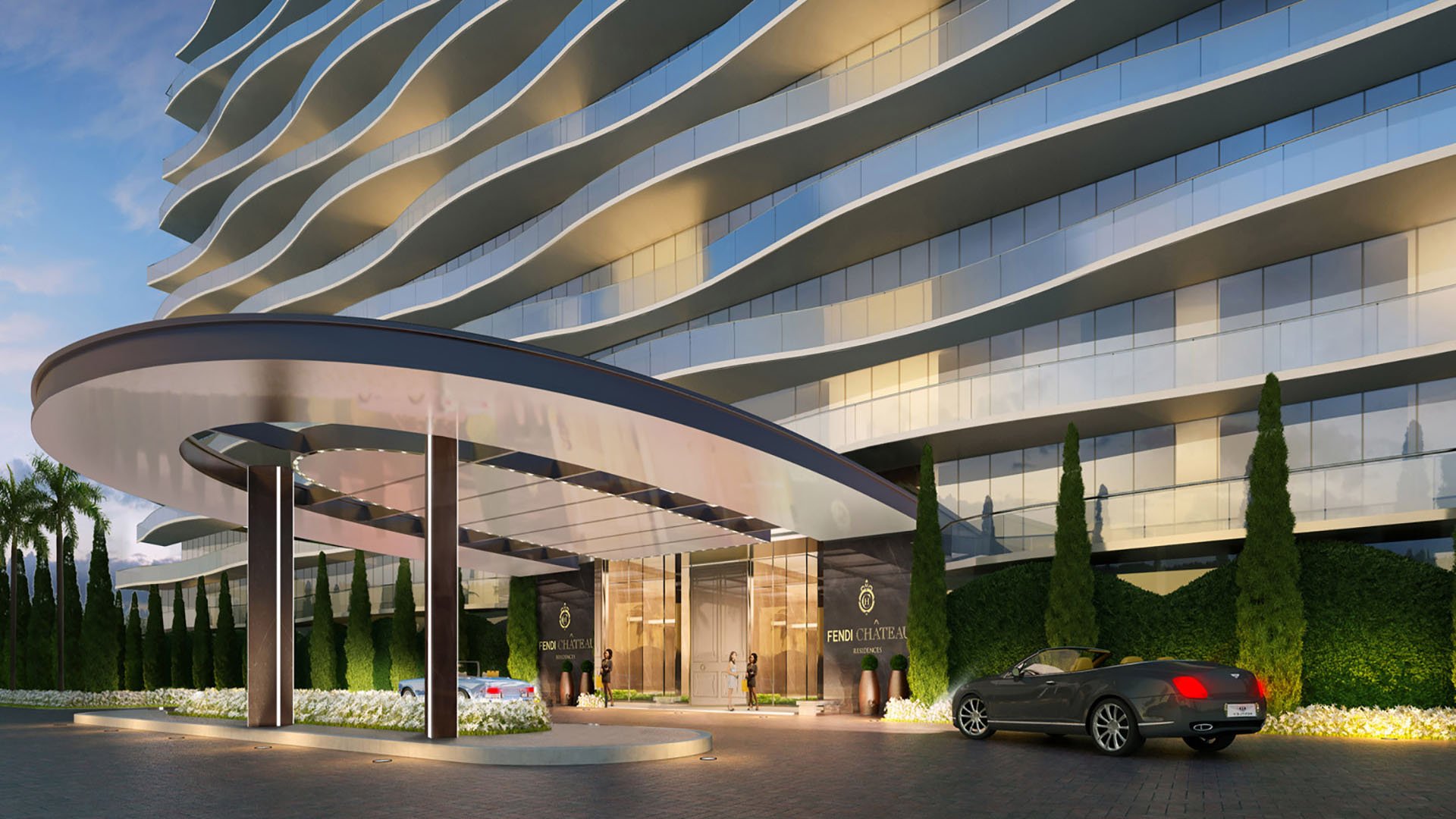
When evaluating Fendi Château Residences Surfside, ask management how its procedures affect a reserved move. Confirm reservation lead times, cancellation terms, rebooking arrangements and required insurance certificates in writing. Ask whether passenger-elevator use is restricted rather than treating another cab as an automatic alternative.
Written confirmation should distinguish vendor approval from elevator availability. One does not establish the other.
For an art installation, arrival at the building and completion inside the residence are separate milestones. If the route depends on an elevator that has been shut down, installation cannot proceed along that route, regardless of the installer's availability.
Before dispatch, ask management to confirm the permitted receiving location, crate-storage arrangements, installation hours and documentation requirements. These details remain building-specific. An attended lobby does not establish that a receiving room is available or that a crate may remain overnight.
A collector assessing The Surf Club Four Seasons Surfside should seek those answers for the intended residence and delivery, rather than infer access privileges from the property's identity. No specific art-handling or storage policy is established here for that address.
Agree with the art handler on what happens if access is withdrawn before departure or while the shipment is en route. Clarify who authorizes postponement, where the work would be held and how revised handling and installation dates would be approved. The objective is to avoid an improvised handover when the planned route is unavailable.
A bonded courier does not have guaranteed access to a Surfside residence. No building-specific bonded-courier policy or emergency exception is established here, and the designation alone does not resolve the operational questions that matter to an owner.
Ask management whether the proposed courier is approved, what documentation is required and who may receive the item. Clarify whether delivery ends at an authorized receiving point or may continue to the apartment, subject to available access. Agree on any chain-of-custody arrangement with the relevant parties rather than assuming it is a standard building service.
For a buyer reviewing Ocean House Surfside, these are questions to resolve for the anticipated handover, not descriptions of an existing policy. Request written confirmation of the procedures that will apply at the relevant time.
If an elevator is unavailable, courier approval does not restore it. The delivery plan needs a confirmed alternative or a postponement, not an assumed exception.
A storm's departure does not, by itself, clear elevator equipment for use. Post-storm checks should include inspecting pits, cabs and machine rooms for water before re-energizing equipment. If water is present, the elevators should remain shut down until an elevator contractor evaluates and clears them.
Equipment clearance is therefore a scheduling dependency. Buyers should not promise a next-day installation merely because the weather is expected to improve. Ask how management will communicate both equipment status and the resumption of delivery bookings: a usable elevator and an approved delivery slot require separate confirmations.
Generator coverage also requires written clarification. Ask what equipment is covered and whether that affects the proposed move; do not infer permission to operate from the presence of backup power. Maintain flexibility until management confirms the required access.
Before committing vendors, assemble a concise access brief to share with management, the owner representative, the mover, the art handler and the courier as appropriate. It should identify the reserved date, required approvals, shutdown-notification channel, postponement contact and confirmation needed before dispatch resumes.
Advance resident instructions should cover preparation deadlines, parking and possible elevator or amenity shutdowns. Hurricane planning should also include consistent communication channels and emergency contacts for elevator service, restoration and other building systems. Ask which email, text or building-app channel your representatives should monitor.
The most useful luxury in this process is certainty about who decides what. A clear written plan cannot promise uninterrupted access, but it can prevent a delivery reservation, an installation appointment and a courier instruction from becoming three conflicting commitments.
Explore Surfside residences with a more considered ownership perspective at MILLION.
If branded residences are on your mind — as a home or as an allocation — we would be glad to share what we are seeing, privately.
Begin a quiet conversationThe Atlantic hurricane season runs from June 1 through November 30, creating a six-month planning window for moves and installations.
No. Seasonal activity projections do not determine a particular building's exposure, elevator availability or delivery schedule.
No Surfside-wide tightening is established here. Buyers should obtain the applicable building's reservation and hurricane procedures in writing.
No. An elevator-dependent move cannot proceed using the required elevator while it is shut down.
Confirm receiving arrangements, crate storage, installation hours and required documentation with management. Agree on a postponement and holding plan with the art handler.
Guaranteed access is not established. Courier approval, receiving permissions and any chain-of-custody arrangements require separate confirmation.
Do not assume they can. Ask management about passenger-elevator restrictions and whether any alternative route is permitted and available.
The elevators should remain shut down until an elevator contractor evaluates and clears the equipment.
Do not treat backup power as a guarantee. Generator coverage and its relevance to the planned move require written clarification from management.
Confirm the building's designated notification channel and who will monitor it. Identify who can authorize postponement and who confirms that delivery access has resumed.