A buyer-focused continuity plan for resilient work, communications, emergency power, building due diligence, and hurricane evacuation in Surfside.
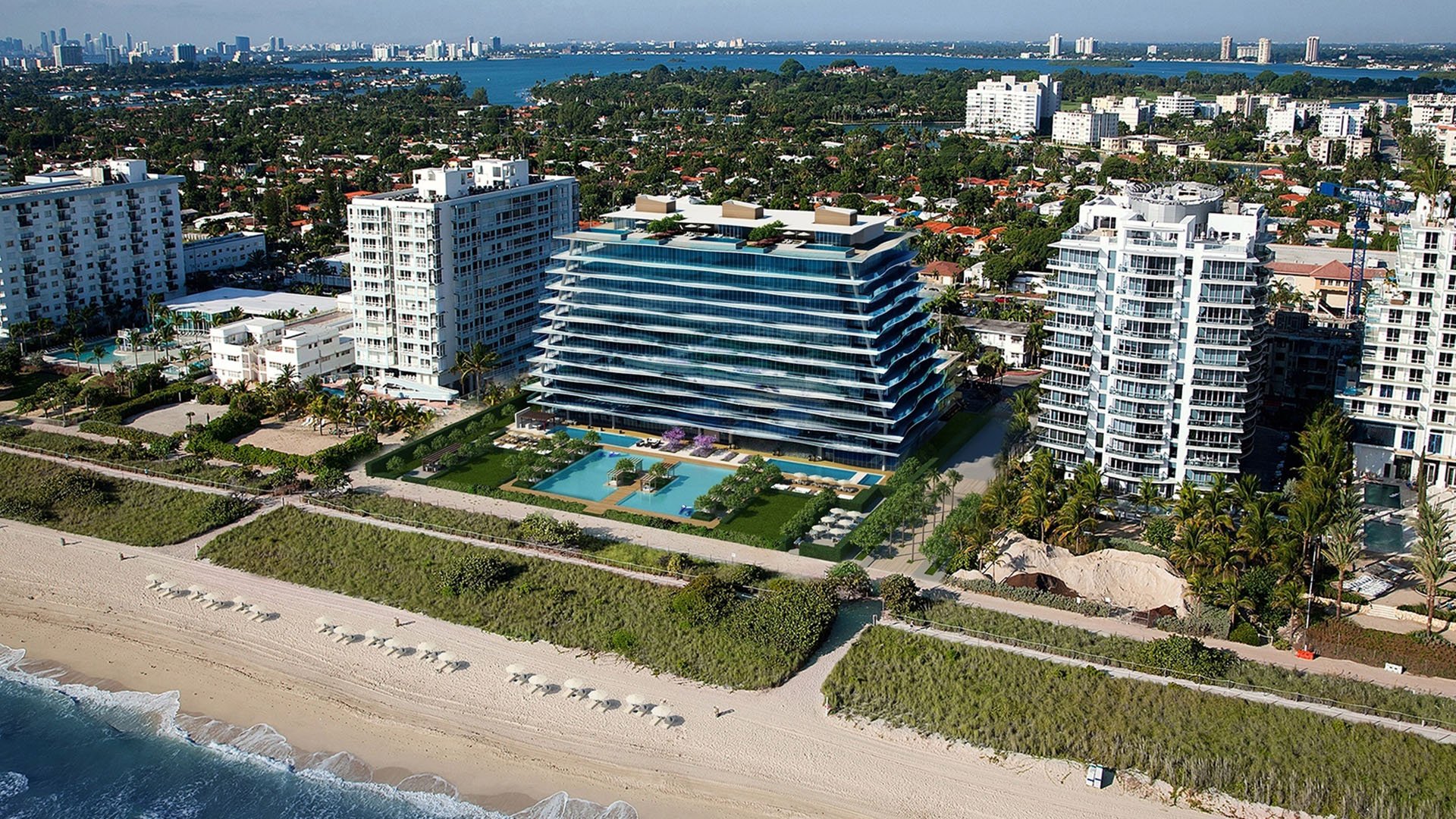
For families accustomed to Aspen, residential resilience often means planning around snow, road access, altitude, and seasonal occupancy. In Surfside, the operating assumptions shift to wind, storm surge, flooding, heat, and the possibility of mandatory evacuation. The most effective home office is therefore more than a beautiful room with fast internet. It is a layered continuity system that enables a family to work securely, communicate clearly, protect essential records, and leave promptly when instructed.
Surfside sits in Storm Surge Planning Zone B. Evacuation is required for a Category 2 hurricane or stronger, and Town personnel, including police, must also evacuate. That reality should shape every decision. Emergency power can preserve selected functions, but it should never be interpreted as permission to remain after a mandatory order.
The resilient home office is a continuity system, not merely a room with fast internet.
For a second-home household, assign responsibilities before the family travels. One person should monitor official updates, another should coordinate property staff, and a third should maintain the evacuation itinerary, pet records, medication list, and insurance contacts. Keep the Resident Storm Hotline, 305-993-1070, with other official Town and county contacts in both phones and printed records.
A polished residence can conceal a consequential distinction: code-required standby service may support only limited common functions, not the private residence. Before contracting, request the generator specifications, fuel-storage capacity, maintenance history, load priorities, transfer-switch details, and identity of the elevator served by alternate power.
Ask the building engineer to state in writing whether emergency generation supports residential air conditioning, refrigeration, domestic water pumps, access controls, garage equipment, telecommunications rooms, or only prescribed common areas. The answer matters more than a broad assurance that the property has a generator.
The 2010 version of Florida Statute 553.509 applies to residential multifamily buildings at least 75 feet high with a public elevator. For covered buildings, it calls for at least one elevator capable of operating from an alternate source after a disaster, along with emergency lighting in interior lobbies, hallways, and other public circulation areas for specified periods. It also addresses either on-site generator and fuel storage or a posted contract for generator and fuel delivery within 24 hours of a request. Counsel and the building engineer should confirm current law, applicable code editions, permits, and property-specific compliance.
The 2023 Florida Building Code also requires standby power for elevators and platform lifts in specified circumstances. Under the 2020 provisions, a sole elevator transfers automatically within 60 seconds after normal power fails. When multiple elevators share a common operating system, all transfer within 60 seconds, after which at least one remains operable. Buyers should confirm what was approved and installed rather than rely on a general amenity description.
This diligence belongs in every Surfside comparison, whether the family is considering Arte Surfside, Fendi Château Residences Surfside, or another condominium. Project selection begins the inquiry; engineering records complete it.
A resilient office should have a primary wired internet connection, cellular backup on a different network, battery support for networking equipment, and offline access to essential files. Independence is the point. Two services that rely on the same building pathway, power source, or local equipment may fail together.
Place the modem, router, network switch, cellular gateway, and any local storage on appropriately sized uninterruptible power supplies. Document expected runtime under the actual connected load, not merely the product's maximum rating. Use surge protection and waterproof coverings where appropriate, and position networking hardware, transfer controls, critical documents, and emergency supplies above foreseeable flood exposure.
The same scrutiny applies to established and emerging residences. When comparing Ocean House Surfside with The Delmore Surfside, ask how telecommunications enter the property, which equipment depends on common power, and whether staff can access network rooms after an event. These are due-diligence questions, not assumptions about either project.
Pair secure cloud backup with encrypted offline copies of the files required to operate during an outage or evacuation. Download contact lists, transaction documents, travel details, and critical household records before a storm threatens. Multifactor authentication should not depend solely on a device or connection that may become unavailable.
Emergency power planning begins with a load inventory. List office equipment, refrigeration, essential lighting, security, communications, medical devices, pumps, and any minimum air-conditioning requirement. A licensed electrical professional should then determine startup demands, operating loads, circuits, transfer equipment, ventilation, fuel considerations, and safe installation requirements.
Never operate portable generators, charcoal grills, or gas grills indoors. They present carbon-monoxide and fire hazards. If flooding threatens the residence, turn off electricity at the main breaker and use flashlights rather than candles or kerosene lamps. These safety rules take priority over continued work.
Grid hardening and underground infrastructure can improve storm reliability, but neither guarantees uninterrupted service. Approximately 85 percent of the main power lines in the electric utility's service territory were hardened or underground. Backup planning remains essential because a residence also depends on local distribution, building systems, telecommunications equipment, and internal electrical components.
For oceanfront or waterfront living, equipment location deserves particular scrutiny. Clear balconies of exterior furniture and other unsecured objects before a hurricane. Bring garbage cans, bicycles, toys, and similar items inside as well. Elegant outdoor living and disciplined storm preparation are entirely compatible when procedures are assigned in advance.
Prepare at least one week of water, nonperishable food, flashlights, batteries, medications, and other essentials before hurricane season. Charge electronics, keep portable batteries ready, unplug appliances when directed, document valuables, and protect important records. Photograph the home's interior and exterior before a storm to support a potential insurance claim.
Windows and doors should have county-approved storm shutters. Five-eighths-inch plywood is a boarding alternative; tape does not prevent glass breakage. Complete tree trimming, hazardous-material disposal, heavy landscaping debris removal, and bulk-item removal before a storm approaches, not during the final preparation window.
The evacuation file should account for every household member and pet. Include two destinations, transportation alternatives, medication and veterinary records, property-staff instructions, and a communications sequence if family members are separated. Residents should follow mandatory evacuation orders and rely on official Town and county channels for updates. FPL outage reporting and status is available at 1-800-468-8243.
Families exploring The Surf Club Four Seasons Surfside or any other residence should ask management how it handles owner communications, access restrictions, shutdown procedures, and post-storm reentry. The objective is not to predict every scenario. It is to eliminate ambiguity around authority, timing, and responsibility.
A premium system is only as credible as its most recent test. Once a year, disconnect the primary internet connection and confirm automatic or manual failover to cellular service. Measure UPS runtime, test access to offline files, verify restoration from cloud or off-site backups, and rehearse communications with household members and staff.
Coordinate generator and transfer testing with building management and licensed professionals. Confirm which elevator and common areas remain supported, which private-residence circuits do not, and how long selected systems can operate under the building's documented plan. After the drill, update phone numbers, passwords, equipment labels, insurance photographs, medical information, and evacuation destinations.
For confidential guidance on selecting a Surfside residence with continuity priorities in view, connect with MILLION.
If branded residences are on your mind — as a home or as an allocation — we would be glad to share what we are seeing, privately.
Begin a quiet conversationSurfside is in Storm Surge Planning Zone B and requires evacuation for a Category 2 hurricane or stronger. Backup power does not override a mandatory evacuation order.
The Resident Storm Hotline is 305-993-1070. Families should save it with other official Town and county contacts.
Request specifications, fuel capacity, maintenance records, load priorities, transfer-switch details, and identification of the elevator supported by standby power.
No. Buyers should verify whether it serves only required common systems or also supports residential HVAC, refrigeration, water, security, and telecommunications.
Use primary wired internet, cellular backup from a different network, UPS-backed networking equipment, and offline access to essential files.
Place critical networking devices, UPS units, transfer controls, records, and supplies above foreseeable flood exposure, with appropriate surge and water protection.
Document office, refrigeration, lighting, security, communications, medical, pump, and HVAC loads, then have a licensed electrical professional size the system.
No. Generators and charcoal or gas grills must not be operated indoors because of carbon-monoxide and fire hazards.
Prepare at least one week of water, nonperishable food, medications, flashlights, batteries, and other essentials before hurricane season.
Run a complete drill annually, testing internet failover, UPS runtime, backup restoration, family communications, and building power procedures.