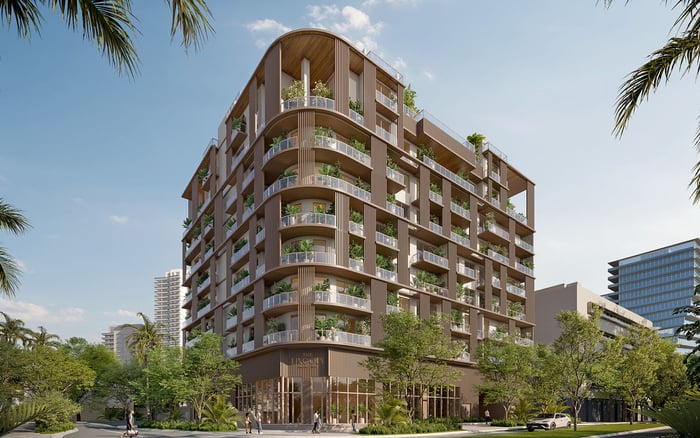
A disciplined buyer’s framework for evaluating execution, contract exposure, finish quality, and long-term confidence at Park Grove Coconut Grove.

Luxury buyers often use “developer confidence” as shorthand for a broader judgment. At Park Grove Coconut Grove, the more useful question is not whether a respected name is associated with the property, but whether the specific residence, building operations, governing documents, and physical condition support the asking price.
That distinction matters in Coconut Grove, where sophisticated purchasers may be weighing completed residences, developer-controlled offerings, and future projects simultaneously. New-construction confidence is therefore a layered assessment encompassing execution history, contractual protections, finish consistency, building governance, operating costs, and the buyer’s tolerance for uncertainty.
The central principle is simple: reputation can open the door, but diligence should determine whether to proceed.
A developer’s broader portfolio can reveal patterns, but buyers should resist reducing the review to brand recognition. Counsel and advisers can examine whether prior projects reached completion, how promised specifications translated into delivered homes, and how ownership shifted from development control to resident governance.
The most valuable questions are specific. Were substitutions documented? Did common areas age in a manner consistent with the property’s positioning? Were post-closing items addressed efficiently? Did budgets prove realistic once the property entered normal operation? These questions turn an abstract track record into evidence relevant to daily ownership.
Comparisons should also remain local and product-specific. Four Seasons Residences Coconut Grove may enter a buyer’s consideration set, but its contractual structure, service proposition, completion profile, and cost base should be evaluated independently. A name-to-name comparison is less meaningful than a document-to-document and residence-to-residence review.
The meaning of delivery risk depends on what is being purchased. In a pre-completion contract, it can encompass timing, permitted changes, deposit exposure, financing conditions, and the gap between renderings and final execution. In a completed residence, the focus shifts to title, physical inspection, open permits, warranties, association matters, reserves, insurance, and unresolved building work.
Buyers should first identify the transaction’s legal character. A developer sale, assignment, and conventional resale can involve different documents, obligations, remedies, and negotiating dynamics. Legal counsel should review the contract and disclosures rather than assume a polished sales presentation reflects the operative terms.
This is also why a comparison with Mr. C Tigertail Coconut Grove should begin with transaction status and documentation, not lifestyle imagery. Two Grove residences can appeal to the same buyer while presenting materially different timing and execution risks.
Finish quality is best judged in layers. The first is visual: stone alignment, millwork reveals, paint transitions, hardware installation, flooring consistency, and the relationship among appliances, cabinetry, and surrounding surfaces. The second is functional: door operation, drainage, water pressure, lighting controls, climate performance, acoustic separation, and terrace interfaces.
The third layer is documentary. Buyers should reconcile the residence with the contract, specifications, approved plans, alteration records, and any available warranty material. A beautiful home may include owner upgrades, replacements, or modifications that should not automatically be attributed to the original delivery standard.
Design and architecture should also be assessed beyond decorative appeal. Circulation, storage, furniture planning, privacy between rooms, service access, glare, and the transition to outdoor space often shape long-term satisfaction more than any single premium material. An experienced inspector, contractor, or design professional can help distinguish cosmetic wear from an issue requiring deeper investigation.
Private-unit finishes are only one part of ownership. Corridors, elevators, parking areas, amenity spaces, landscaping, mechanical systems, and waterfront-facing elements can reveal how maintenance standards translate across the property. The review should include current budgets, reserves, recent meeting minutes, insurance information, pending assessments, litigation disclosures, and planned capital work, where available to the buyer.
Operating discipline deserves particular attention in an amenity-rich luxury building. Staffing, service scope, vendor contracts, and reserve planning influence both the ownership experience and recurring costs. Buyers should stress-test affordability beyond the current monthly figure, especially when future work or insurance changes could affect expenses.
For context, Vita at Grove Isle offers another local reference point for evaluating waterfront-oriented luxury ownership, while The Well Coconut Grove can help frame how a different concept may prioritize its residential proposition. These are not interchangeable substitutes; they are useful prompts for clarifying the services, design decisions, and risk profile a buyer values.
Before making a nonrefundable commitment, buyers should align the legal, technical, financial, and lifestyle reviews. The contract should match the intended closing structure. The inspection should address systems as well as surfaces. Association documents should be read with an eye toward governance and future obligations. Insurance, financing, and title questions should be resolved early enough to preserve negotiating leverage.
A buyer should also compare the exact residence, not merely the development. Exposure, floor level, neighboring conditions, interior modifications, terrace condition, parking rights, storage, and included property can alter value and risk within the same address.
Nearby Opus Coconut Grove can provide an additional comparison when defining preferences, but confidence should ultimately come from verified terms and observable quality. For Park Grove Coconut Grove, the strongest conclusion is residence-specific: proceed when the documents, condition, cost structure, and ownership plan align.
Does a strong developer name eliminate delivery risk? No. Reputation is relevant, but the specific contract, property condition, disclosures, and transaction structure still require independent review.
What should a buyer verify first at Park Grove Coconut Grove? Confirm whether the offering is a developer sale, assignment, or resale, then tailor legal and technical diligence to that structure.
How should finish quality be inspected? Review both appearance and function, including millwork, flooring, doors, drainage, lighting, climate systems, acoustics, and terrace interfaces.
Can a model residence establish the delivered standard? It can provide design context, but contractual specifications, approved changes, and the actual residence should control the assessment.
Why do association documents matter? They can clarify governance, budgets, reserves, assessments, insurance, litigation, restrictions, and planned capital work.
Should buyers investigate owner renovations? Yes. Confirm permits, approvals, warranties, and whether modifications affect systems, insurance, or future maintenance.
How can operating costs be stress-tested? Review current expenses alongside reserves, insurance, staffing, vendor obligations, assessments, and anticipated building work.
Are all residences within one development equally low-risk? No. Condition, exposure, alterations, neighboring factors, included rights, and seller documentation can vary by residence.
What professionals may be useful before closing? Depending on the transaction, buyers may engage legal counsel, an inspector, a title professional, and qualified design or construction advisers.
What creates genuine buyer confidence? Confidence comes from alignment among verified documents, physical condition, financial obligations, contractual protections, and the buyer’s ownership goals.
For a confidential assessment and a building-by-building shortlist, connect with MILLION.
If branded residences are on your mind — as a home or as an allocation — we would be glad to share what we are seeing, privately.
Begin a quiet conversation