A family-focused luxury real estate guide to evaluating balconies, terraces, and livable outdoor space when comparing Hallandale and Miami Beach residences.
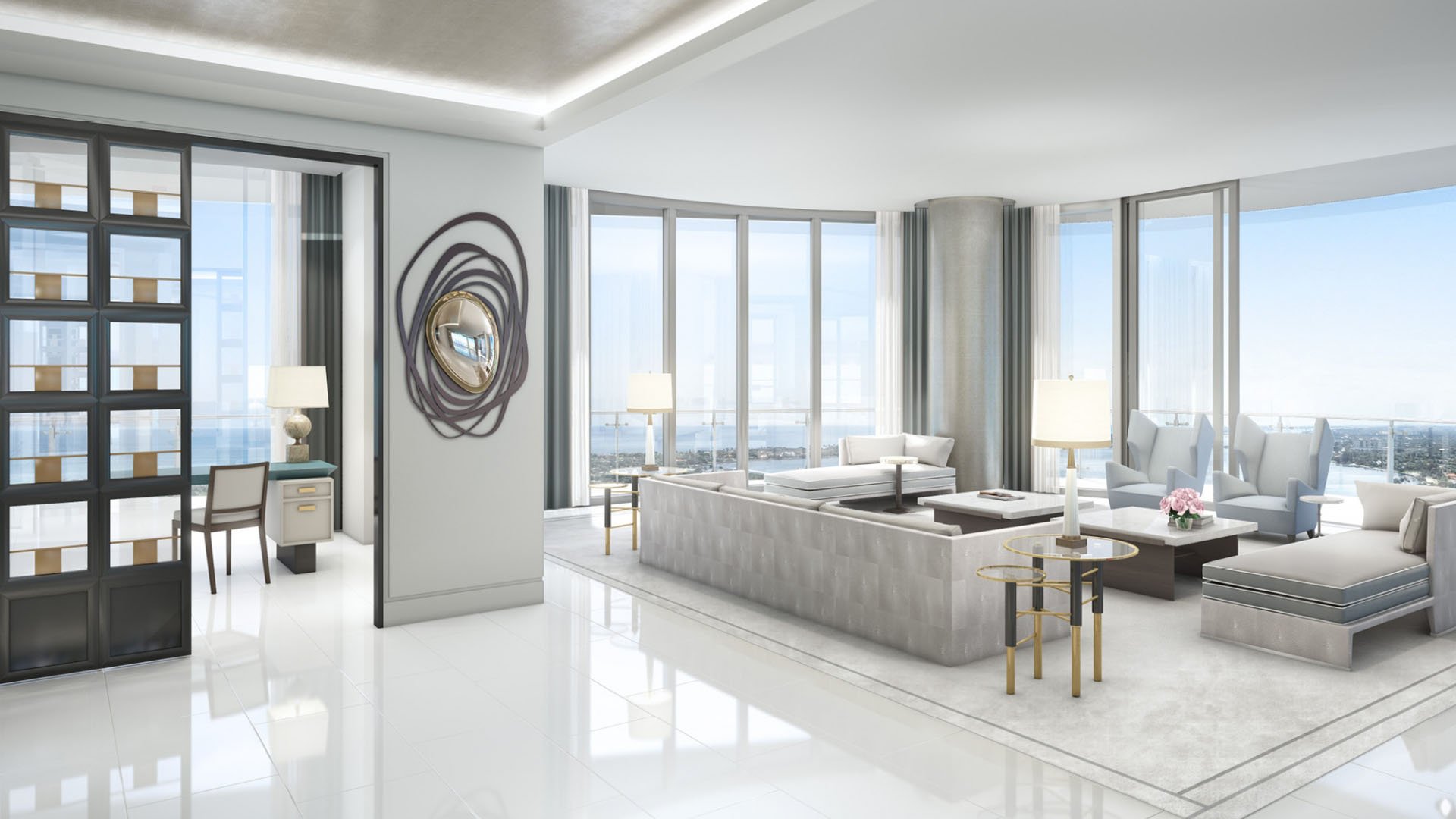
For South Florida families, a balcony is no longer a decorative ledge attached to a view. It is an extension of the living room, a breakfast terrace, a shaded reading perch, a place for a child to draw after school, and often the most emotionally memorable square footage in the residence. When buyers compare The Bristol Hallandale Beach outdoor space and 321 Ocean Drive layouts, the essential question is less about spectacle and more about daily life.
The best outdoor spaces are calm, legible, and easy to supervise. They allow adults to enjoy the horizon while maintaining clear sightlines toward children. They connect naturally to the kitchen or family room, rather than requiring a formal procession through private areas. They also feel usable at different times of day, with shade, depth, and furniture placement that support real routines rather than staged impressions.
In a market where oceanfront views often dominate first impressions, families should pause and ask a more practical question: can this outdoor area be lived in comfortably, safely, and often? The answer depends on proportion, access, privacy, and the relationship between indoor and outdoor rooms.
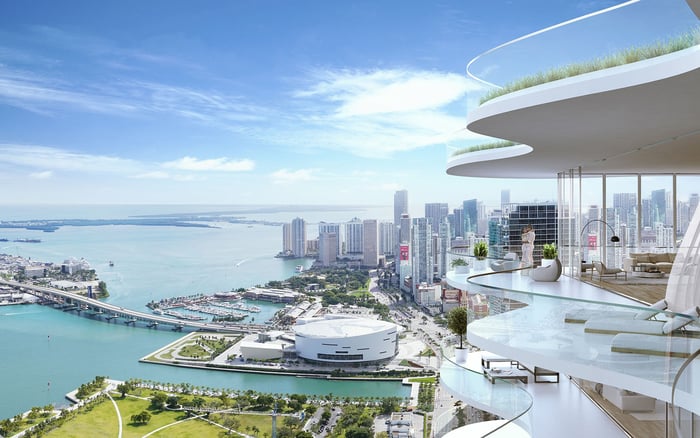
A successful balcony for a luxury family residence begins with depth. A shallow strip may photograph well, but it rarely supports dining, lounging, and parent-child use at the same time. A more thoughtful outdoor room allows for a table, a pair of lounge chairs, and circulation space without making the setting feel crowded.
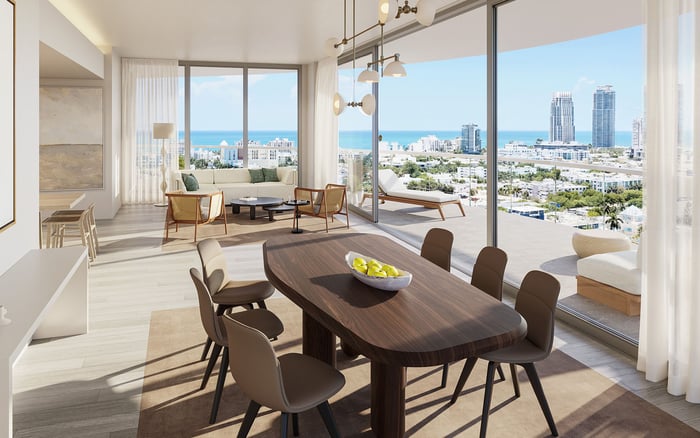
The next consideration is adjacency. Outdoor space works best when it opens from a room the family actually uses. A balcony connected to a primary bedroom can be serene, but a family balcony connected to a living area or kitchen typically carries more everyday value. It permits easy breakfast service, after-school snacks, sunset conversation, and quiet supervision without disrupting the flow of the home.
Buyers comparing The Bristol Hallandale Beach outdoor space with 321 Ocean Drive layouts should focus on how naturally each residence lets the household move. A family-friendly plan should avoid isolating the balcony from the social heart of the home. It should also offer a graceful transition, ideally through wide openings that make the terrace feel like part of the main living environment.
Hallandale often appeals to buyers who want a refined coastal rhythm with convenient access to Broward and Miami-Dade. In this context, outdoor space may be evaluated for long, relaxed use: morning coffee, evening dining, weekend family time, and practical proximity to beaches, dining, and daily routes.
Miami Beach, by contrast, often brings a different kind of urban-coastal intensity. Buyers considering 321 Ocean Drive layouts may be thinking about walkability, architectural character, beach access, and the balance between privacy and neighborhood energy. The balcony conversation here becomes more nuanced. How exposed does the outdoor space feel? Is it positioned for quiet retreat, or primarily for visual drama? Does the layout allow children to enjoy the home without the entire residence feeling on display?
Neither approach is inherently superior. Hallandale may support a more residential daily cadence, while South of Fifth and adjacent Miami Beach environments may deliver a highly specific coastal city lifestyle. The best choice is the one that matches the family’s actual pattern of living.
Family-friendly design begins with serenity, but it is grounded in discipline. Parents should study balcony access points, door operation, furniture placement, and the ease with which children can move from interior rooms to exterior space. The safest-feeling residences are not necessarily the largest; they are the ones where adults intuitively understand where everyone is.
Sightlines matter. From the kitchen island, can a parent see the terrace? From the living room, is the outdoor seating area visible? Is there a natural place for children to sit or play without interrupting circulation? These questions are central to family luxury because they determine whether a space will be used freely or treated cautiously.
Low floors can be compelling for some families because they may feel more connected to the landscape and less vertiginous. Higher floors can offer privacy and cinematic views, but they require a different comfort level. The right answer is deeply personal and should be tested in person, at the time of day the family is most likely to use the space.
A terrace earns its keep when it can handle multiple uses without constant rearrangement. A dining area should not block the main doors. Lounge seating should not create a climbable condition near edges. Planters, screens, and furnishings should be evaluated not only for beauty but also for how they shape movement.
Shade is equally important. South Florida light is part of the allure, but a terrace that is too exposed may become an occasional-use space rather than a daily ritual. Families should observe where the sun falls in the morning, afternoon, and early evening. A balcony that is comfortable during homework hour or dinner preparation may be more valuable than one that is dramatic only at sunset.
Storage is another quiet luxury. Families need places for cushions, beach bags, and small seasonal items. If storage is not integrated, the balcony can quickly lose its composure. The most elegant family residences make practical living feel invisible.
Floor plans reveal priorities. A split-bedroom layout can provide privacy for parents and children, but it must still support connection. A great room can feel glamorous, but it should also create zones for conversation, dining, and play. Circulation should be simple enough that children can move independently without crossing through formal or private rooms unnecessarily.
When reviewing 321 Ocean Drive layouts or any comparable coastal residence, buyers should look beyond bedroom count. Ask where backpacks land, where a stroller might be stored, where visiting grandparents would sleep, and whether the balcony is reachable without disturbing someone in a bedroom. Ask whether the kitchen is positioned as a social center or tucked away from the family’s natural rhythm.
The most successful luxury homes do not force a family to choose between refinement and ease. They allow polished entertaining on Friday evening and a barefoot breakfast on Saturday morning with equal grace.
Begin with use, not adjectives. If the family imagines dining outside three nights a week, measure the balcony against that ritual. If quiet reading is the goal, study sound, privacy, and afternoon light. If children will use the outdoor area frequently, evaluate visibility, door control, furnishing strategy, and the relationship between the terrace and common rooms.
A family-friendly balcony should feel generous without being theatrical. It should give children fresh air and adults composure. It should make entertaining easier, not more fragile. Above all, it should strengthen the residence’s sense of home.
In the ultra-premium market, outdoor space is often described in terms of view corridors and square footage. Those details matter, but they are only the beginning. The true measure is whether the space can hold the rituals of family life with discretion, beauty, and ease.
What makes a balcony family-friendly? Depth, visibility, secure access, shade, and a natural connection to living areas are the most important qualities.
Is a larger balcony always better for families? Not always. A well-proportioned balcony with clear zones can outperform a larger space with awkward circulation.
Should families prioritize oceanfront views or usability? Views are valuable, but daily usability should guide the decision if the balcony is meant for regular family life.
Are low floors better for households with children? Some families prefer them for a stronger sense of connection to the surroundings, while others value the privacy of higher floors.
How should buyers compare Hallandale and Miami Beach outdoor living? Hallandale may feel more residential, while Miami Beach can offer a more walkable coastal city rhythm.
Why does balcony access matter? Access from a main living area usually makes the outdoor space easier to supervise and enjoy throughout the day.
Can a terrace function as a true family room? Yes, if it has enough depth, shade, comfortable furniture placement, and a direct relationship to the home’s social spaces.
What should parents notice during a showing? Watch how doors operate, where furniture would sit, how visible the balcony is, and how the sun affects comfort.
Do family layouts need separate bedroom wings? Separation can help, but the plan should still allow easy connection between children, parents, and shared spaces.
What is the best way to evaluate The Bristol Hallandale Beach and 321 Ocean Drive? Compare how each layout supports the family’s actual routines, from meals and homework to entertaining and quiet time.
For a confidential assessment and a building-by-building shortlist, connect with MILLION.
If branded residences are on your mind — as a home or as an allocation — we would be glad to share what we are seeing, privately.
Begin a quiet conversation