Miami’s World Cup role offered international visibility and a potential hospitality windfall, but luxury buyers should distinguish tournament exposure from durable residential value. A disciplined purchase still rests on location, building quality, operating costs and legally permitted use.
For a luxury buyer, Miami’s FIFA World Cup 2026 role is best understood as an international introduction, not a valuation formula. The city’s seven-match schedule placed South Florida before a global audience. That visibility created opportunities for hospitality businesses and residential marketing, but it does not establish a World Cup-specific premium for a waterfront residence, a penthouse or a branded address.
The distinction matters when assessing the tournament’s legacy. A visitor may discover a neighborhood during a sporting trip; turning that interest into a purchase is a separate decision. The strongest acquisition case works without an event-driven increase in prices or rental income.
For buyers evaluating South Florida now, the useful question is not how much attention the tournament attracted. It is whether a property’s location, management and ownership costs support the life they intend to lead.
Miami’s match calendar assigned seven fixtures to Hard Rock Stadium: June 15, 21, 24 and 27, followed by July 3, 11 and 18, 2026. The July 11 fixture was designated a quarterfinal, with the third-place match scheduled for July 18.
Hard Rock Stadium is in Miami Gardens. Stadium access therefore warrants its own assessment, separate from proximity to a buyer’s preferred restaurants, waterfront setting or daily destinations. A residence chosen for occasional match attendance may not be the one that best serves a decade of ownership.
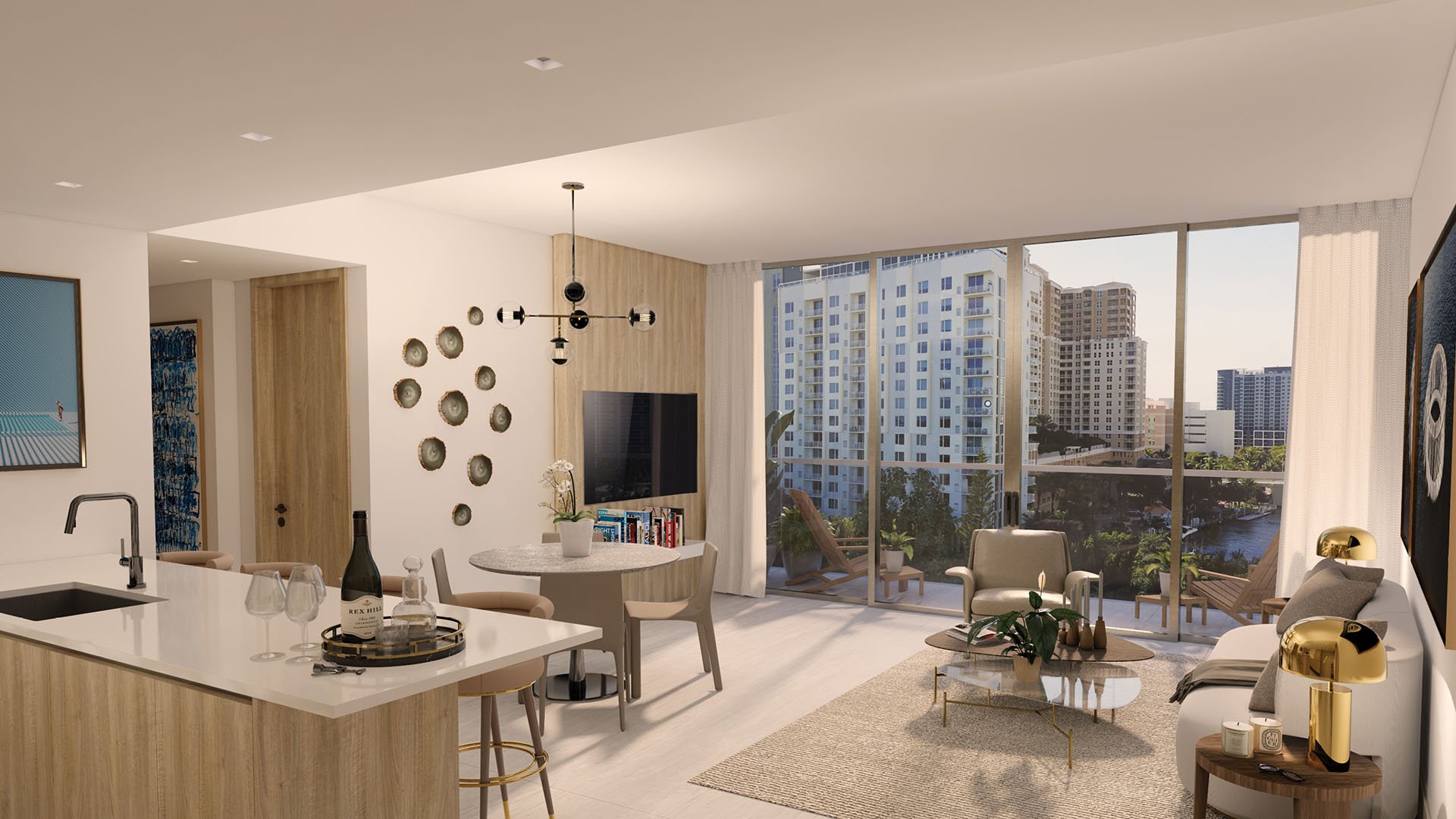
In Brickell, a buyer considering The Residences at 1428 Brickell should evaluate the address against everyday routines before considering event-day convenience. Assess transport arrangements independently rather than treating a recognizable Miami address as evidence of straightforward stadium access. The purchase should remain persuasive when the calendar contains no marquee fixture.
Pre-tournament expectations included more than 700,000 visitors to South Florida over 39 days. Other projections ranged from 600,000 to 1 million regional visitors. That spread underscores the distinction between projected scale and verified attendance.
Tournament-related spending was projected at approximately $1.3 billion, while a separate estimate contemplated approximately 9,000 local jobs. Neither figure measures residential appreciation. Spending on accommodation, dining, entertainment and transportation cannot be translated directly into a percentage increase in condominium values.
The anticipated visitor footprint extended across Miami-Dade, Broward and Palm Beach counties. Greater Fort Lauderdale alone had a pre-event spending estimate of $150 million to $175 million. These figures point to a regional economic opportunity, but they remain projections rather than realized results.
Investment discipline requires keeping three categories separate: event spending, prospective buyer interest and completed residential transactions. Only the last can directly inform comparable-sale analysis, and even then, a tournament-specific effect would require separate evidence.
A broad visitor footprint does not make residential districts interchangeable. Begin with the intended use: principal residence, seasonal retreat or income-oriented holding. Then test each location against that purpose without assigning extra value merely because it participated in the wider tournament economy.
In Downtown Miami, Aston Martin Residences Downtown Miami belongs within a broader comparison of city living and individual building operations. A planned downtown public gathering space was intended to extend tournament participation beyond ticket holders and support surrounding businesses. That event objective should not substitute for an assessment of privacy, access and everyday convenience.
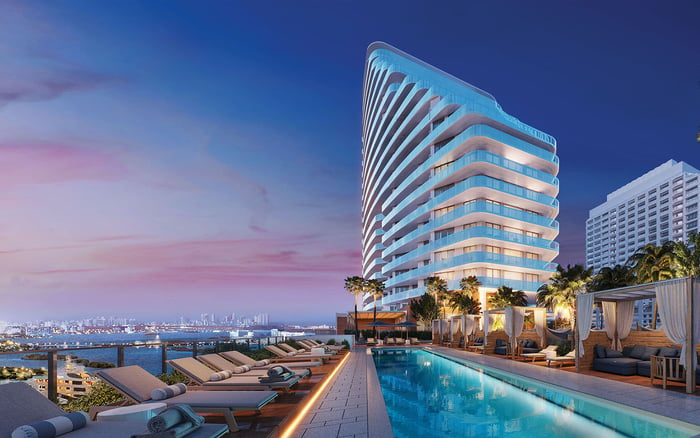
A regional search also warrants looking beyond Miami-Dade. A buyer considering Four Seasons Hotel & Private Residences Fort Lauderdale should judge the residence on its own merits as an ownership proposition, rather than borrowing a Miami tournament narrative. Regional exposure is a reason to explore, not a reason to forgo comparison.
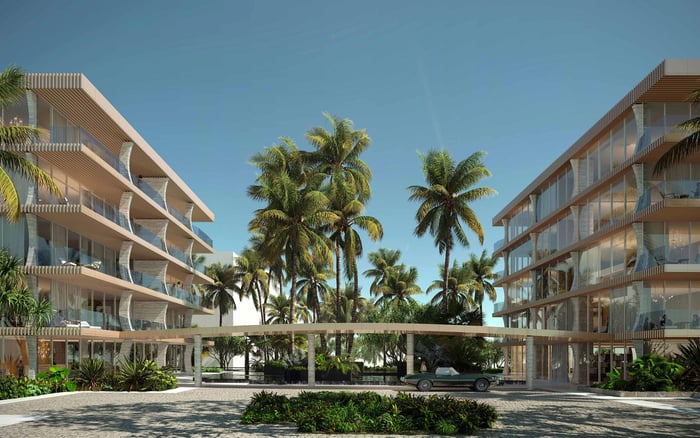
For a West Palm Beach search, Alba West Palm Beach offers another address for an independently assessed shortlist. The anticipated reach into Palm Beach County does not establish uniform benefits for its residential properties. Second-home buyers should place their preferred annual rhythm ahead of a temporary concentration of visitors.
Hotels and short-term-rental operators were expected to see elevated demand around match periods. For a residential buyer, that expectation represents a possible temporary revenue opportunity, not evidence of dependable year-round income growth.
Before assigning rental value to a property, verify municipal permissions, licensing requirements, condominium rules, minimum stays, insurance and building approval. A building’s luxury positioning does not establish permission for short stays. Nor should an advertised rental opportunity replace a review of the governing documents.
Keep event-period assumptions separate from the ordinary operating model. Assess post-event occupancy, achievable rents and ownership expenses without requiring tournament revenue to make the acquisition work. Where extraordinary income forms part of the purchase case, distinguish projections from documented performance and examine the associated costs.
The same restraint applies to personal-use purchases. Occasional rental income should not compromise the privacy, availability or management standards that motivated the purchase in the first place.
Fan activations, marketing campaigns and special events sought visitors’ attention. Residential outreach also targeted prospective buyers from Brazil, Colombia, Argentina and Mexico, drawing on those markets’ established connections with South Florida.
That activity illustrates the tournament’s plausible longer-term contribution: international exposure and buyer introductions. It does not demonstrate that marketing attention translates into a resale premium.
For a branded residence, examine delivery risk, service execution and recurring fees independently. Ask what the service proposition requires financially and operationally, and whether it matches the intended pattern of use. Recognition may prompt a viewing; it should not replace scrutiny of the residence, contractual commitments or ongoing obligations.
Miami’s hosting strategy drew on existing airports, hotels, ports, entertainment districts and Hard Rock Stadium rather than relying primarily on new event-specific infrastructure. Priorities included transportation networks, public safety, stadium upgrades and hospitality provisions. Those priorities should not be mistaken for verified improvements benefiting a particular residential address.
The practical buying standard is more enduring: year-round livability, capable building management, resilience and manageable operating costs. Stadium proximity belongs in the access discussion. International visibility belongs in the marketing discussion. Neither belongs in the valuation as an automatic premium.
For a considered South Florida property search grounded in life beyond the event, explore MILLION.
If branded residences are on your mind — as a home or as an allocation — we would be glad to share what we are seeing, privately.
Begin a quiet conversationMiami’s published schedule included seven matches at Hard Rock Stadium, including a quarterfinal and the third-place match.
The published dates were June 15, 21, 24 and 27, and July 3, 11 and 18, 2026. The quarterfinal was scheduled for July 11 and the third-place match for July 18.
Hard Rock Stadium is in Miami Gardens. Buyers should assess stadium access separately from their preferred residential location.
The projections and marketing activity discussed here do not establish a World Cup-specific premium for luxury home prices or resale values. Tournament visibility should not be treated as automatic appreciation.
One pre-event projection anticipated more than 700,000 visitors over 39 days, while other estimates ranged from 600,000 to 1 million. These were forecasts, not verified attendance totals.
It represented anticipated tournament-related spending in South Florida, not an increase in residential property values.
No. The anticipated visitor footprint extended across Miami-Dade, Broward and Palm Beach counties.
No; verify municipal permissions, licensing, condominium rules, minimum stays, insurance and building approval before relying on rental income.
Assess delivery risk, service execution and recurring fees independently of event-related marketing. International exposure is not a resale guarantee.
Prioritize year-round livability, building management, resilience and operating costs. The purchase should make sense without tournament-related appreciation or exceptional rental income.