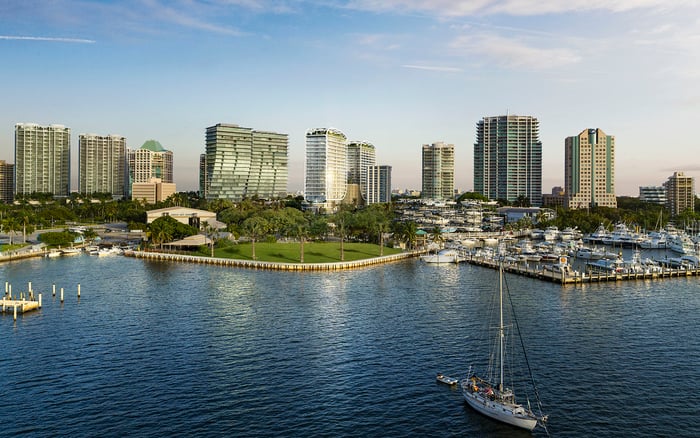
A hurricane-season closing requires three separate confirmations: insurance that can be bound and made effective, lender approval to fund, and a contractual basis for any postponement. Early coordination helps protect the purchase without assuming every storm creates an automatic extension.
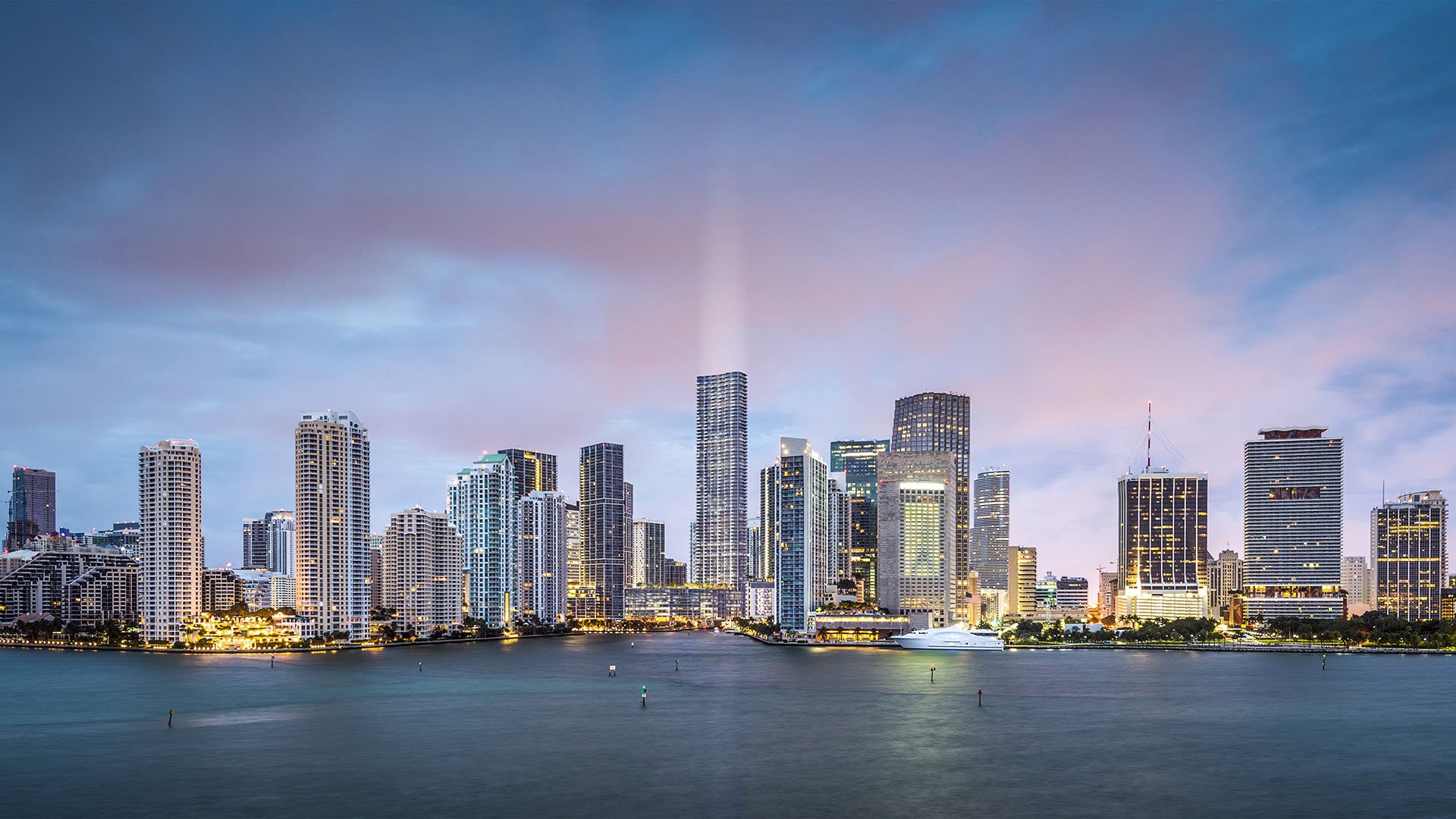
In South Florida, a carefully negotiated purchase can face a closing obstacle even when the residence has sustained no damage. An insurer may stop binding new coverage as a storm approaches, leaving the lender unable to fund. Florida's hurricane season runs from June 1 through November 30, making insurance readiness a transaction priority throughout that window.
For a luxury buyer, the objective is not simply an attractive policy quote. It is a dependable sequence linking insurance, financing, and the purchase agreement. Three questions must remain separate: Can the insurer bind the required coverage? Will the lender accept the evidence and release funds? Does the signed contract authorize postponement if either step becomes impossible?
A favorable answer to one does not resolve the others. Whether the purchase concerns The Residences at 1428 Brickell in Brickell or another South Florida residence, that distinction belongs in the closing plan before a storm threatens.
A premium quote describes proposed coverage and pricing; it does not establish that insurance is in place. An approved application is likewise not the final confirmation a buyer should rely on. Obtain written confirmation that the required coverage is bound and will be effective by closing.
Binding and effectiveness are separate checkpoints. Subject to insurer approval, a buyer may arrange binding before a storm threatens and set the policy's effective date for closing. This can reduce exposure to a later binding moratorium, but the arrangement must be confirmed, not presumed.
Ask the insurance professional to identify the policies involved, confirm the approved effective date, and explain what happens if the closing date changes. Send the evidence to the lender while there is still time to resolve questions. The milestone is not an encouraging conversation; it is written insurance confirmation that the lender accepts.
Insurers commonly suspend new-policy binding or coverage increases when tropical-storm or hurricane watches or warnings are issued. Some carriers use a designated geographic storm box that can trigger restrictions before local watches or warnings begin. No single carrier trigger or reopening timetable applies universally.
Ask which event activates the restriction, which coverages it affects, and what must occur before binding resumes. The absence of a local warning does not necessarily mean the insurer remains available to bind.
A restriction on new binding is not automatic cancellation of an existing policy. Nor does it establish a universal exclusion for named-storm damage. Those are separate insurance questions.
For a Miami Beach purchase involving The Perigon Miami Beach, the discussion should focus on the actual insurer and policies proposed for the transaction, not a generalized assumption about coastal properties.
Storm-related restrictions may affect homeowners, windstorm, and flood coverage, depending on the carrier and policy type. Confirm each required component separately rather than assuming one bound policy satisfies the entire insurance requirement.
Standard homeowners coverage may not cover flood damage. Address flood insurance separately with the insurance professional and establish what the lender requires for the purchase. An unresolved flood requirement can remain a closing obstacle even when another policy has been arranged.
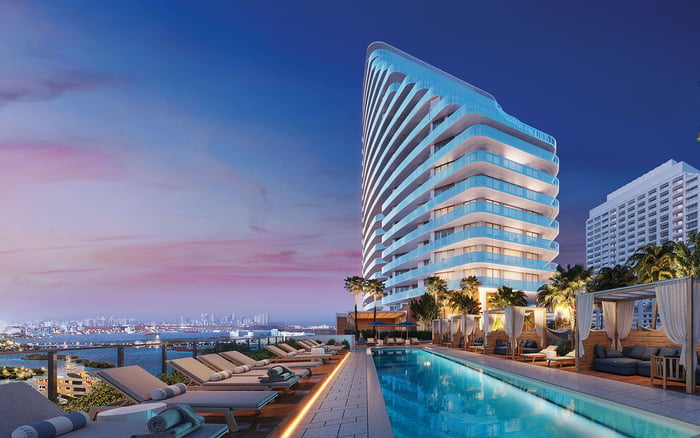
The same discipline applies when considering Four Seasons Hotel & Private Residences Fort Lauderdale in Fort Lauderdale. A project's identity does not establish that a buyer's required insurance is bound or that financing conditions have been satisfied. Keep the review transaction-specific.
A financed purchase generally cannot fund without lender-acceptable evidence of required property insurance. An undamaged residence can therefore face a delayed closing if a binding suspension prevents the buyer from satisfying that condition.
Ask the lender to confirm what insurance evidence it will accept and whether any storm-related conditions remain outstanding. Deliver insurance confirmation early enough for the financing team to review it, rather than leaving it unresolved on closing day.
After a storm, funding may also depend on property reinspection, insurance re-verification, an updated appraisal, or borrower certification. These are possible requirements, not a universal checklist. Their application depends on storm impact and lender instructions.
A carrier's decision to resume binding does not necessarily mean the transaction is ready to fund. Before committing to a replacement date, the closing team should confirm both the insurance position and the lender's remaining conditions.
An insurance moratorium does not necessarily create an automatic contractual extension. The executed agreement and the circumstances determine whether relief applies. A storm forecast, a carrier restriction, and a contractual right to delay are not interchangeable.
The FAR/BAR force-majeure definition includes hurricanes, floods, extreme weather, and other extraordinary events that cannot be prevented or overcome through reasonably diligent efforts. But inability to obtain insurance alone may not qualify under a clause that does not make insurance availability a triggering event.
Some Florida contract provisions address extensions when extreme weather makes required hazard, wind, flood, or homeowners insurance unavailable. Whether that language governs the purchase-and how its timing works-requires review of the actual contract.
Have transaction counsel identify the applicable provision, extension period, and any outside termination date. If the agreement does not clearly resolve the delay, discuss a written extension with counsel and the other party rather than treating postponement as settled.
Cash buyers avoid mortgage-funding conditions, but not insurance availability issues or contractual closing deadlines. Removing the lender changes one part of the analysis, not the entire closing strategy.
A cash purchase at Alba West Palm Beach in West Palm Beach still requires a clear understanding of when coverage can be bound and become effective. If a storm interrupts those arrangements, evaluate the insurance position and contractual options with the relevant advisers before deciding whether to proceed.
Before storm restrictions arise, assemble written insurance confirmation, lender acceptance where applicable, and counsel's assessment of postponement rights. If conditions change, request updated confirmations and identify which outstanding item controls the revised closing date.
The strongest strategy is early coordination, not confidence that a delay will automatically be excused. A disciplined buyer keeps available coverage, available funding, and available contractual relief distinct.
For a considered approach to your South Florida residential search, explore MILLION.
If branded residences are on your mind — as a home or as an allocation — we would be glad to share what we are seeing, privately.
Begin a quiet conversationFlorida's hurricane season runs from June 1 through November 30. Insurance arrangements deserve early attention for closings scheduled during that period.
No. Buyers should obtain written confirmation that required coverage is bound and will be effective by closing.
Subject to insurer approval, coverage may be bound in advance with an effective date set for closing. Confirm both points in writing.
Triggers vary by carrier and may include tropical-storm or hurricane watches or warnings. Some carriers restrict binding when a storm enters a designated geographic box.
A restriction on new binding is not the same as cancellation of an existing policy or a universal named-storm exclusion. Existing coverage must be evaluated under its own terms.
Yes. If required insurance cannot be bound, the lender may be unable to fund even when the property is undamaged.
Yes. Standard homeowners coverage may not cover flood damage, so buyers should separately confirm flood coverage needs and lender requirements.
Not necessarily. The signed agreement and circumstances determine whether an extension applies, and insurance unavailability alone may not trigger force majeure.
Depending on storm impact and lender requirements, funding may require reinspection, insurance re-verification, an updated appraisal, or borrower certification.
Cash buyers avoid mortgage-funding conditions but still face insurance availability and contractual deadlines. Any postponement must be evaluated under the signed agreement.