A discreet buyer’s guide to evaluating lower-floor residences at Faena Residences Miami, with emphasis on elevation, flood resilience, privacy, noise, pricing, terrace utility, and resale logic.

At the upper end of the Miami condominium market, the word “low” can be misleading. A lower-floor residence may be elevated by podium design, buffered by landscaping, advantaged by amenity access, or compromised by sightlines and noise. For buyers considering Faena Residences Miami Downtown Miami, the intelligent question is not simply whether a residence sits on a lower level. It is whether the price accurately reflects the unit’s real risk profile, privacy, view quality, convenience, and future marketability.
That distinction matters in Downtown, where luxury buyers often weigh skyline drama against daily usability. High floors may offer broader outlooks, but lower floors can deliver a more immediate connection to outdoor space, amenities, and arrival sequences. The value case is strongest when the residence feels deliberately designed rather than merely discounted.
Floor number is only the beginning. Buyers should ask how the residence’s actual elevation compares with the building’s flood-design assumptions. In coastal and bay-adjacent urban settings, a lower residential level may still sit meaningfully above grade if the building uses a podium, raised lobby, structured parking base, or another design strategy that changes the practical exposure of the residences above it.
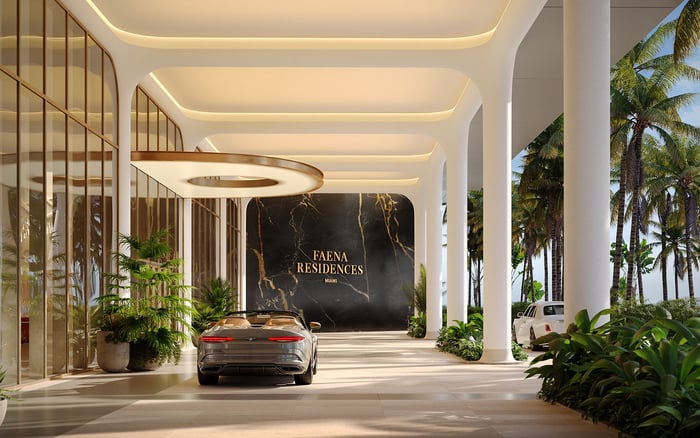
The question should be precise: what design features separate the lower residential levels from street-level conditions? A podium, elevated lobby, or engineered base can materially change how a buyer should think about risk. It can also affect perceived value, because two residences described as “lower-floor” in different towers may have very different physical relationships to grade, water, drive courts, and public-facing areas.
For new-construction buyers, this is not a casual conversation. It belongs in the diligence file, supported by unit-specific explanations and project-level documentation rather than broad marketing language.
Lower-floor value should be tied to evidence. Buyers should request documentation on flood mitigation systems, including drainage, flood barriers, stormwater management, waterproofing strategies, pumps, and any resilient-design features that affect the lower portions of the building. The goal is not to become an engineer. The goal is to understand whether the residence’s position has been anticipated in the project’s design logic.
A serious buyer should also ask for HOA or project-level information about maintenance reserves tied to flood protection, exterior infrastructure, waterproofing, and mechanical systems that support resilience. If those systems require ongoing care, the financial structure behind that care matters. A lower-floor purchase can be elegant and rational, but only if the buyer understands whether future assessments, maintenance obligations, or insurance considerations differ meaningfully from those of higher-floor residences.
This is where lower-floor diligence becomes a matter of discipline. The most attractive price is not always the best value if the ownership structure introduces costs or uncertainties that are not visible in the sales presentation.
In luxury real estate, privacy is not a soft preference. It is a core component of value. A buyer should evaluate sightlines from amenity decks, neighboring towers, sidewalks, drive courts, valet areas, arrival courts, and public-facing spaces. A residence may have handsome interiors and generous proportions, yet feel exposed if its outdoor areas or main rooms are visible from daily circulation routes.
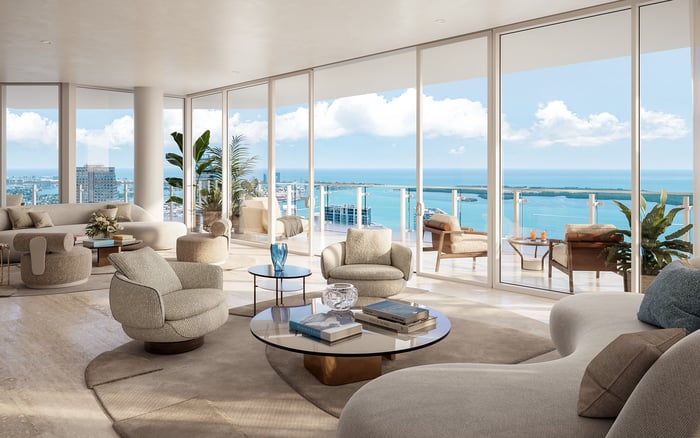
The best lower-floor residences solve this through thoughtful orientation, landscaping, setbacks, screening, or architectural depth. A private terrace can be a major value offset, especially when it feels residential rather than performative. The same terrace can become less compelling if it is overlooked by amenity users, neighboring windows, or service areas.
Buyers should tour the residence at more than one time of day. Morning light, evening activity, and weekend amenity use can each reveal a different privacy profile. What feels serene during a quiet appointment may feel entirely different when valet traffic, pool activity, or nearby street life is in motion.
Noise exposure deserves the same rigor as view analysis. Buyers should test sound conditions at different times of day, particularly if the residence faces traffic corridors, active streets, amenity areas, valet zones, loading areas, or other operational parts of the building. In Downtown, the acoustic personality of a location can shift from weekday mornings to weekend evenings.
A lower-floor residence may be remarkably convenient, but convenience can come with proximity to movement. Elevators, amenity access, entrances, service routes, and arrival sequences should be understood from the perspective of everyday living. The buyer should ask what sits above, below, beside, and across from the residence, then evaluate how those adjacencies affect quiet enjoyment.
This does not mean lower floors are inherently inferior. In some cases, they offer a calmer, more grounded lifestyle than higher floors that face wind, exposure, or long elevator journeys. The issue is not height alone. It is the relationship between the unit and the building’s choreography.
Pricing discipline is essential. Buyers should compare a lower-floor residence with materially similar higher-floor units in the same stack or with comparable layouts, exposures, and outdoor spaces. The discount, if any, should be sufficient to compensate for the specific trade-offs. A broad claim that a residence is “well priced” is not enough.
The strongest buyer question is direct: what exact risk, privacy, view, noise, and resale factors explain this unit’s price relative to the stack? That question moves the conversation away from vague floor bias and toward the attributes that will matter to a future buyer.
Lower-floor resale value may depend heavily on whether the residence feels intentionally designed. Larger terraces, garden adjacency, easier amenity access, or more usable outdoor space can create a lifestyle proposition that higher floors cannot replicate. If the residence has those qualities, the lower floor may be an asset rather than a concession. If it lacks them, the price should reflect that more plainly.
The most compelling lower-floor residences offer a defined lifestyle advantage. They may feel more connected to landscaping, easier for owners who value direct amenity access, or better suited to outdoor entertaining. They can appeal to buyers who want a more villa-like experience inside a full-service tower.
For Faena Residences Miami Downtown Miami, the buyer’s task is to separate romance from proof. The purchase should rest on documented elevation, resilience systems, privacy analysis, noise testing, comparable pricing, and a clear explanation of why the residence will remain desirable when it returns to market.
A lower-floor unit should not be bought because it is cheaper. It should be bought because the price, design, outdoor utility, and ownership profile form a coherent value argument.
Is a lower-floor residence automatically less valuable? No. Value depends on elevation, privacy, view quality, noise, outdoor space, building design, and price relative to comparable units.
What is the first question buyers should ask? Ask how the unit’s actual elevation compares with the building’s flood-design assumptions and street-level conditions.
Does a podium change the analysis? Yes. A podium or elevated lobby can alter the practical relationship between lower residences, grade, water exposure, and building operations.
What documents should buyers request? Buyers should request information on drainage, flood barriers, stormwater management, pumps, waterproofing, and resilient-design features.
Why is privacy so important on lower floors? Lower residences may be closer to amenity decks, sidewalks, drive courts, neighboring towers, and public-facing areas.
How should buyers evaluate noise? Visit at different times of day and assess exposure to traffic, valet areas, loading zones, amenity spaces, and active streets.
Can terraces offset a lower floor? Yes. Larger terraces, garden adjacency, and usable outdoor areas can create lifestyle value that higher floors may not offer.
How should pricing be compared? Compare the unit with materially similar higher-floor residences in the same stack or with similar layouts and exposures.
What affects resale most? Resale depends on whether the residence feels intentionally designed, not simply discounted because of its position in the tower.
What is the best way to shortlist comparable options for touring? Start with location fit, delivery status, and daily lifestyle priorities, then compare stacks and elevations to validate views and privacy.
For a confidential assessment and a building-by-building shortlist, connect with MILLION.
If branded residences are on your mind — as a home or as an allocation — we would be glad to share what we are seeing, privately.
Begin a quiet conversation