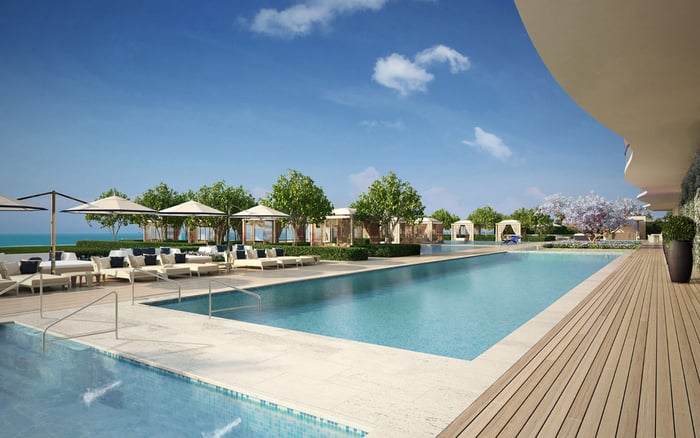
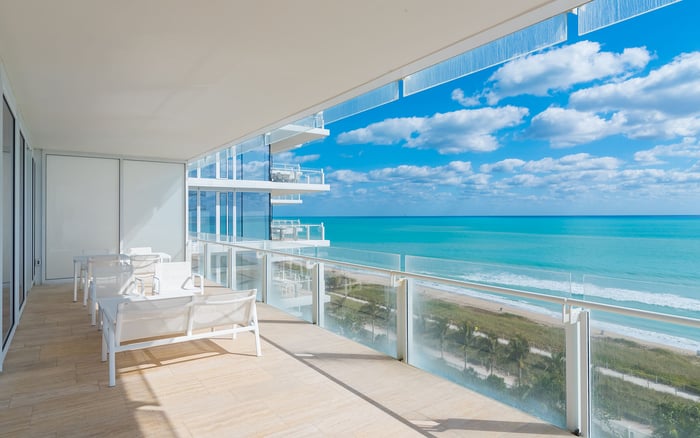
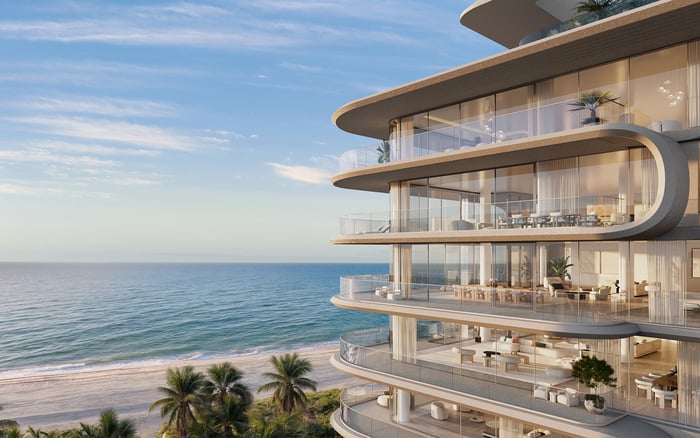
At Arte Surfside, a 16-residence structure makes exit planning unusually sensitive to live inventory. Sellers should separate scarcity from liquidity, verify leasing rules directly, and price around unit-specific attributes rather than broad market averages.
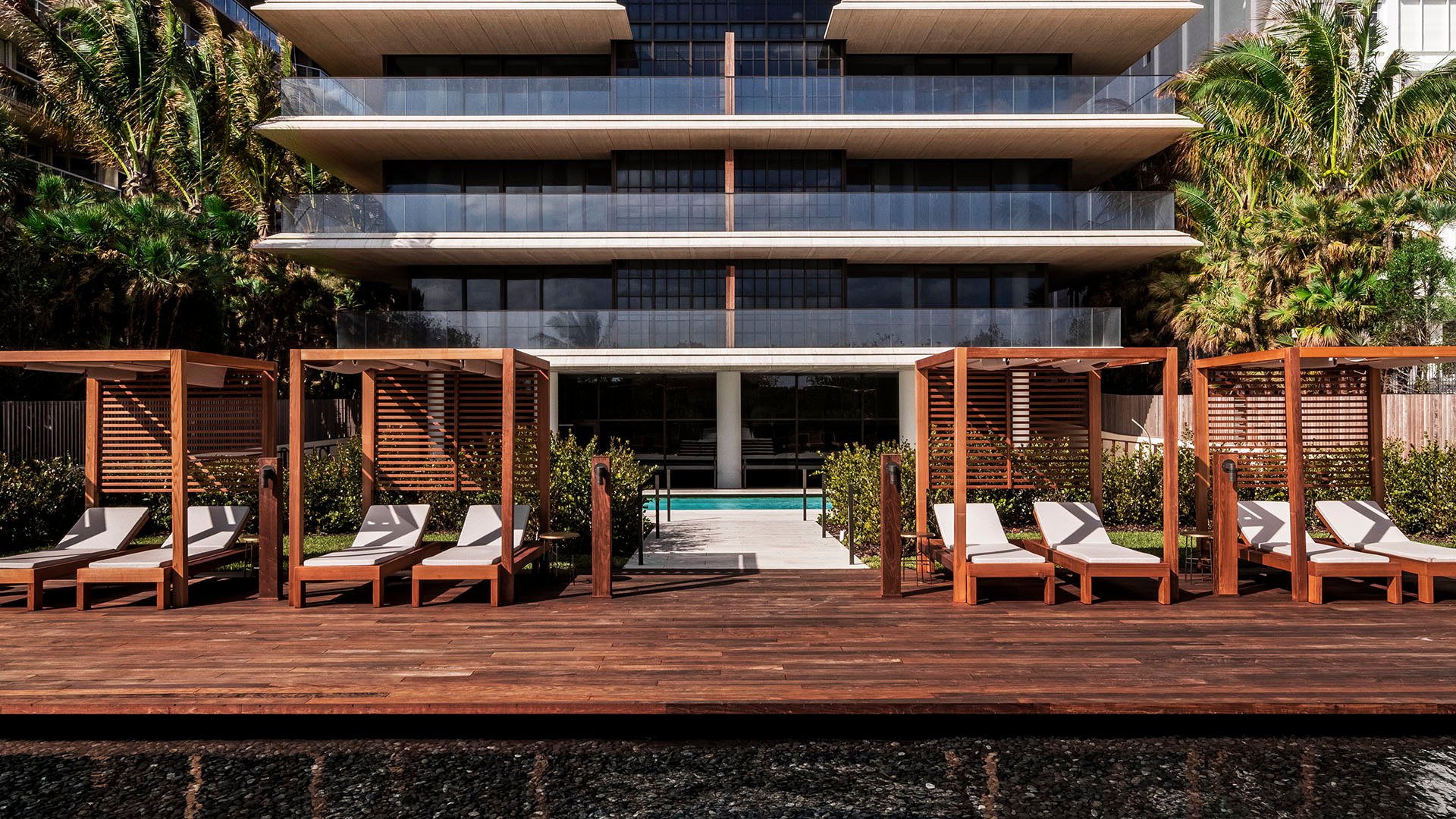
Arte Surfside is a 12-story oceanfront condominium at 8955 Collins Avenue in Surfside, with just 16 residences. That scale is central to its appeal, but it also shapes every resale decision. In a building this intimate, a single new listing can alter the competitive landscape, while several owners entering the market at once can turn scarcity into visible supply almost overnight.
Completed in 2019, the building is the first U.S. project by Antonio Citterio and Patricia Viel, created with Kobi Karp Architecture and Interior Design. Every residence was promoted with ocean views and private terraces, complemented by luxury services and resort-style amenities. For an owner considering an exit, however, the decisive variables are more granular: current competition, recent closed trades, residence condition, floor and view distinctions, and the depth of demand at the proposed price.
The clearest evidence of Arte's price tier is its near-$225 million sellout in January 2023. The final developer listing, Residence 201, closed for $17 million in as-is condition. Residence 702 sold for $12.25 million, reinforcing the building's established eight-figure context while illustrating why each trade warrants close examination.
Public inventory snapshots have varied dramatically. One showed three residences for sale-equal to 18.75% of the entire building-and no advertised rentals. Another showed no residences for sale. Neither moment should be treated as permanent. Together, they demonstrate that availability at Arte Surfside can be episodic and that timing may matter as much as a generalized view of the Surfside market.
For resale planning, a low-inventory window can reduce direct competition and give a singular residence greater visibility. The reverse is equally important: if three owners list concurrently, buyers gain alternatives within the same 16-residence building, making price, presentation, and condition easier to compare.
One three-listing snapshot carried an average asking price of $5,207 per square foot. That figure is useful only as a momentary reference. In a sample this small, one unusually large, renovated, or favorably positioned residence can move the average substantially. Asking prices also do not establish the terms at which buyers will close.
A credible valuation should therefore begin with the most recent same-building transactions, then adjust for the residence itself. Ocean exposure, terrace experience, floor position, and physical condition can matter more than broad Surfside averages. The shorter resale history of a building completed in 2019 further limits the number of directly relevant trades.
Context can still be useful when handled carefully. Nearby projects such as The Surf Club Four Seasons Surfside and Fendi Château Residences Surfside help frame the neighborhood's ultra-premium oceanfront setting, but they are not substitutes for Arte comparables. Their residence mix, design proposition, and available inventory differ.
A snapshot showing no advertised rentals proves only that none were publicly offered at that moment. It does not establish minimum lease duration, limits on leasing frequency, tenant approval procedures, or assignment rights. Owners should obtain and review the current condominium declaration, bylaws, and board policies before treating rental income as a holding strategy.
This distinction is crucial for investment planning. Rental flexibility can affect carrying decisions and the range of potential purchasers, yet an unsupported assumption can weaken negotiations or create diligence issues. An owner should confirm the rules in effect when preparing to list, while a buyer should independently verify them before relying on any leasing scenario.
Scarcity and liquidity are not the same. Sixteen residences create limited direct supply, particularly when only one home is available. Yet eight-figure pricing necessarily reduces the number of financially qualified buyers. A rare property may command attention without producing a rapid transaction at every asking price.
The likely buyer pool is therefore best assessed through active behavior rather than prestige alone. Sellers should examine current competing inventory, recent closings, days on market, and price reductions immediately before launch. A buyer comparing boutique beachfront ownership may also consider newer or differently scaled propositions, including The Delmore Surfside and Eighty Seven Park Surfside. Those alternatives are not directly equivalent, but they can influence where attention and capital are directed.
Presentation should emphasize the residence's specific advantages rather than rely solely on building scarcity. The goal is to make the home's view, terrace, condition, and place within Arte's limited collection legible to a purchaser with other South Florida options.
For sellers, the strongest window may arrive when no competing Arte residence is available or when the subject home is clearly differentiated. Before launch, reassess live inventory and recent trades, determine whether the residence's condition supports the intended price, and prepare for a buyer pool that may be discerning rather than broad.
For buyers, episodic supply rewards readiness. Review residence-specific attributes, building documents, and transaction history before the preferred home appears. Limited availability can compress decision time, but it should never replace diligence.
The practical conclusion is measured: Arte's small scale can protect distinction, but it cannot guarantee speed. An effective exit aligns timing, evidence, and presentation, then tests price against the market that exists now rather than the market implied by an earlier snapshot.
How many residences are at Arte Surfside? Arte Surfside contains 16 residences across a 12-story oceanfront building.
Why does building size matter when selling? With only 16 homes, even a few simultaneous listings can materially increase competing supply.
Is a no-inventory period automatically the best time to list? It can improve visibility and reduce direct competition, but pricing and buyer readiness still determine liquidity.
What is the strongest basis for an asking price? Recent same-building trades, live competition, views, floor position, and condition should carry more weight than broad averages.
Should owners rely on asking price per square foot? Only cautiously, because a small sample can be distorted by one large, renovated, or well-positioned residence.
Does the absence of rental listings prove leasing is restricted? No. It establishes only that no rentals were publicly advertised at that particular moment.
Which documents clarify rental flexibility? Review the current condominium declaration, bylaws, and board policies for lease terms, frequency limits, and approvals.
Does scarcity guarantee a fast sale? No. Scarcity can reduce direct competition, while eight-figure pricing limits the financially qualified buyer pool.
Why should buyers prepare before inventory appears? Availability can be episodic, so advance diligence can help buyers evaluate a residence without sacrificing care.
What should sellers verify immediately before launch? Confirm live inventory, recent closed sales, days on market, and price reductions, then reassess residence-specific positioning.
When you're ready to tour or underwrite the options, connect with MILLION.
If branded residences are on your mind — as a home or as an allocation — we would be glad to share what we are seeing, privately.
Begin a quiet conversation