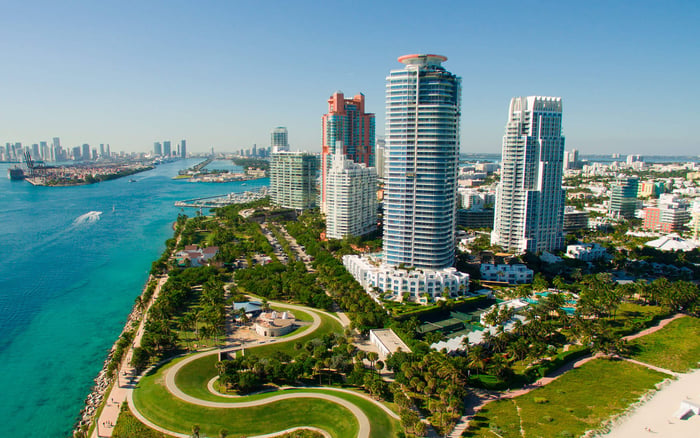
A discreet winter stay in Miami Beach depends on precise access planning, realistic service arrangements, and clear guest communication. Separate confirmed restrictions from long-term dune projects, and treat privacy as an operational priority rather than a beachfront promise.
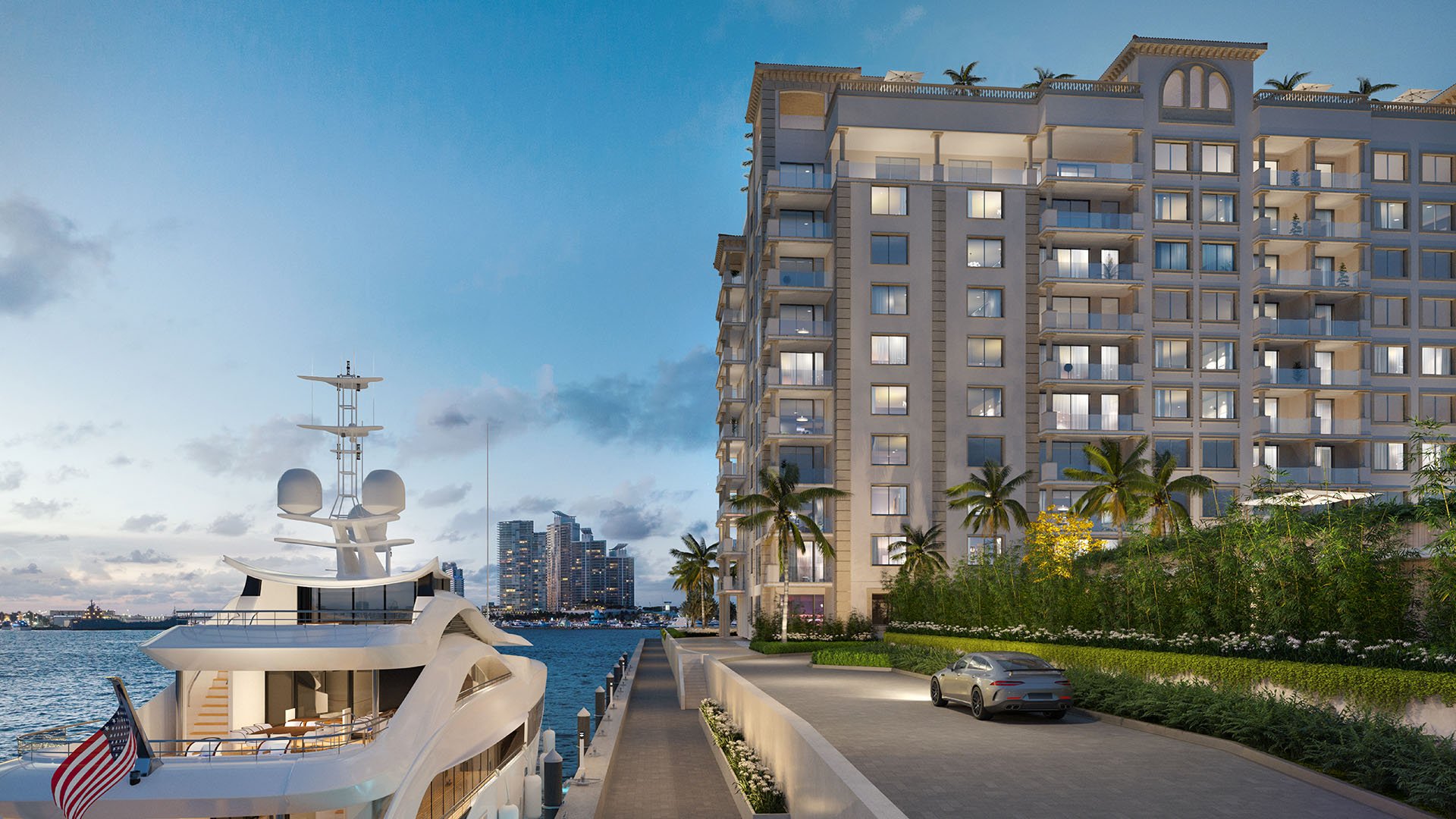
For owners welcoming guests during winter yacht season, the most valuable luxury is often an uneventful arrival. A residence can offer a carefully managed setting, but the journey between the front door, a beach entrance, an event, and a vessel requires its own planning. Privacy is an operating discipline, not a promise that the surrounding city will remain quiet.
Greater Miami’s winter calendar includes Art Deco Weekend, the Life Time Miami Marathon & Half, the Discover Boating Miami International Boat Show, the Coconut Grove Arts Festival, and South Beach Wine & Food Festival. Art Basel Miami Beach takes place each December at the Miami Beach Convention Center; the Boat Show returns each February, with activities at the convention center and on surrounding waterways.
These events warrant itinerary checks, not blanket assumptions about closures. Nor does the seasonal yachting context establish a measurable migration pattern or guarantee seclusion. For buyers, the useful question is how a residence supports a discreet routine when plans beyond the property change.
When considering Setai Residences Miami Beach, distinguish what the residence or its management can arrange from what remains subject to municipal conditions. Ask which arrival procedures, guest communications, and service arrangements would apply to the specific residence. Do not infer them from a project name or an oceanfront setting.
Build the beach itinerary around an identified entrance, not simply the nearest stretch of sand. Confirm the intended crossover, relevant road restrictions, and the route guests will actually use. Where accessibility matters, verify the complete journey rather than assuming an alternative entrance offers equivalent access.
Do not assume a standing calendar of winter 2026-27 beach closures. Identify a closed entrance or restricted route in guest communications only after confirmation. The distinction is simple but consequential: beachfront proximity is a location attribute; uninterrupted access is a condition that must be checked.
The planned dune-restoration project covers three segments: 5th-7th streets, 61st-63rd streets, and 63rd-72nd streets. Its scope includes removing invasive species, selectively adding sand, and planting native vegetation. The project is in design and permitting, with an expected completion date of June 30, 2029.
Those boundaries are not closure notices, and the completion target does not establish when work will occur at a particular entrance. Buyers considering 57 Ocean Miami Beach should apply the same address-specific diligence as elsewhere: ask about confirmed access conditions rather than extrapolating from a broader coastal project.
Dune work requires Florida Department of Environmental Protection approval. The dune-management framework also calls for state approval or a Coastal Construction Control Line permit, plus a City right-of-way permit, before work begins. Contractor mobilization, staging, and access must be coordinated through that right-of-way process. A planned restoration area alone does not establish an active work zone or a disrupted guest route.
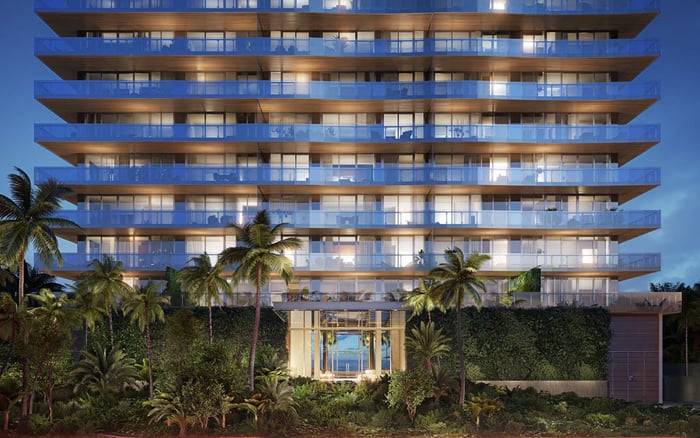
For a buyer evaluating Apogee South Beach, the practical discussion should move beyond neighborhood appeal to the precise movements anticipated during a stay. Where will guests meet their driver? Which authorized beach access point will they use? Who will communicate a change before departure?
Dune-protection rules direct pedestrians and authorized vehicles through designated crossovers or beach-access points. The ordinance applies from Government Cut to the municipal boundary at 87th Terrace. A crowded entrance is not a reason to take a shortcut across protected dunes.
Fenced areas at past events created beach-access choke points and prompted attendees to cross dunes. Event precautions included security personnel at access points on both sides of dunes and fencing extending to controlled entrances. This history supports checking event-specific routing; it does not establish that the same arrangement will recur. A host’s plan should accommodate authorized entrances without promising exclusive public-beach access.
Settle the service brief before the guest itinerary becomes elaborate. As a planning recommendation, reserve the personnel needed for the stay and identify backups for essential roles. There is no basis here for asserting a quantified worker shortage, a universal booking deadline, or a standard event-week premium.
Specify duties rather than relying on broad descriptions such as full service. Who handles arrival coordination, meal arrangements, guest updates, and changes to transport plans? Establish a single point of contact so each guest receives one clear version of the itinerary. Keep personal schedules within the smallest practical service circle.
Reconfirm outings 48-72 hours ahead, then check relevant conditions again before departure. That interval is an operational recommendation, not a municipal requirement. For a yacht outing, coordinate the intended meeting point and timing directly with the responsible operator. Do not treat the Boat Show calendar as confirmation of vessel access or availability.
A useful arrival advisory separates confirmed residence arrangements from external conditions. It can state the agreed arrival contact, intended beach entrance, and next itinerary check. It should not announce a closure based solely on a restoration boundary or imply that property staff can control public access.
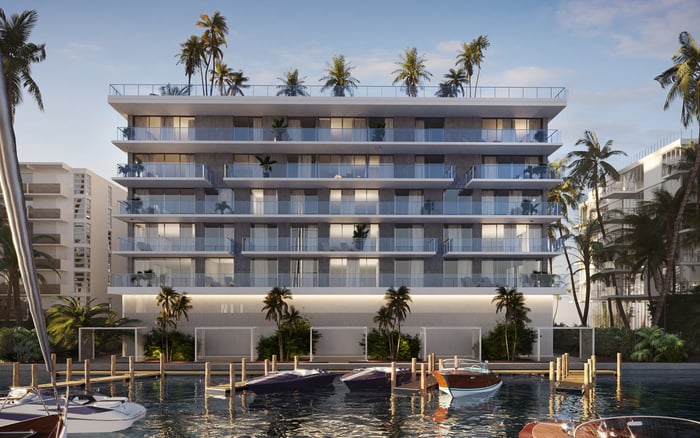
For buyers considering The Perigon Miami Beach, this is a due-diligence conversation about the proposed ownership experience, not an assumption about included services. Ask which arrangements would be property-managed, which would require outside providers, and which alternatives would be available within the residence.
Maintain a residence-based alternative to each important outing, using only spaces and services confirmed for that home. A private meal or quieter gathering may preserve the occasion without forcing a beach or waterfront itinerary. The objective is not to promise that nothing will change, but to ensure guests never have to resolve the change themselves.
The state-approved 2026 Beachfront Management Plan establishes a 10-year framework addressing natural-resource protection, dune management, erosion control, public access, and ADA accommodations. Its conservatively estimated budget is $541 million over 10 years. That framework is neither a construction schedule nor a guarantee of uninterrupted access beside any individual residence.
Beachfront management also encompasses maintenance, ocean-rescue services, concessions, and special-event permit requirements. These responsibilities explain why an owner’s planning must extend beyond the property boundary while remaining specific to the visit.
For current beach conditions, call the hotline at (305) 673-7714, with option 1 for weather conditions and option 2 to speak with a person. Treat weather checks and entrance confirmations as separate tasks. The strongest winter hosting plan combines a verified route, defined service responsibilities, and an appealing alternative at home.
Explore Miami Beach residences with a more considered approach to winter living at MILLION.
If branded residences are on your mind — as a home or as an allocation — we would be glad to share what we are seeing, privately.
Begin a quiet conversationNo. Confirm individual entrances and relevant road restrictions before making guest movements or naming a closure.
The project covers 5th–7th streets, 61st–63rd streets, and 63rd–72nd streets. These boundaries do not establish closed beaches.
The project is listed in design and permitting, with an expected completion date of June 30, 2029. That status does not establish active construction at a particular entrance.
The dune-management framework requires state approval or a Coastal Construction Control Line permit, plus a City right-of-way permit. Mobilization, staging, and access must also be coordinated through the right-of-way process.
Pedestrians must use designated dune crossovers or beach-access points. Crowding does not justify a shortcut through protected dunes.
Reconfirming 48–72 hours ahead is a practical recommendation, followed by relevant checks before departure. It is not a municipal requirement.
No quantified shortage, standard premium, or universal booking deadline is established here. Arrange essential personnel and backups based on the specific stay.
Include confirmed arrival arrangements, the intended beach entrance, a contact person, and the next itinerary check. Separate residence-controlled services from municipal access conditions.
Ocean Rescue provides a hotline at (305) 673-7714: option 1 for weather conditions and option 2 to speak with a person. Check entrance restrictions separately.
No. The 2026 plan establishes a 10-year management framework, not an entrance-specific construction schedule or a guarantee of uninterrupted access.