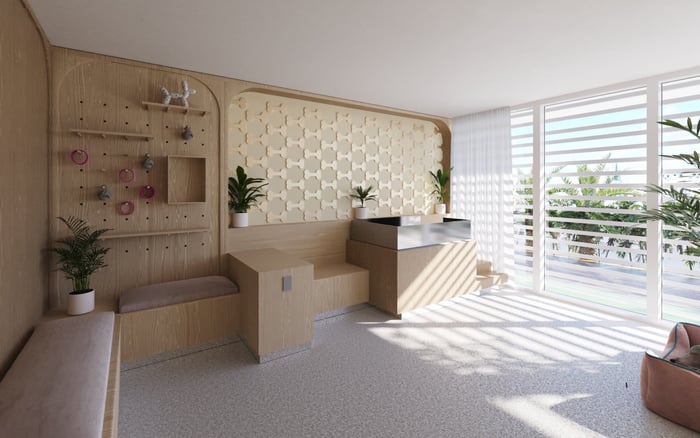
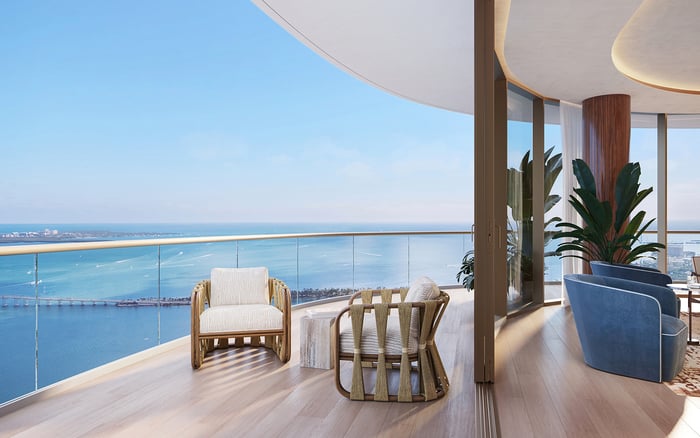
In Brickell, pet amenities have evolved from a token wash station into a service-minded extension of the building’s wellness and hospitality program. For buyers who treat a dog’s routine like any other part of a carefully run household, the difference between a “pet spa” in name and a truly integrated grooming environment shows up in the details: circulation, ventilation, acoustics, materials, and whether the space reads as intentional rather than leftover. This editorial compares how a pet spa can be evaluated at two high-profile addresses, focusing on practical criteria a discerning owner will feel in daily use. It is not about declaring a universal winner. It is about identifying what “luxury” means when the resident is four-legged, and the standard is the same discretion, hygiene, and design intelligence expected elsewhere in the building.
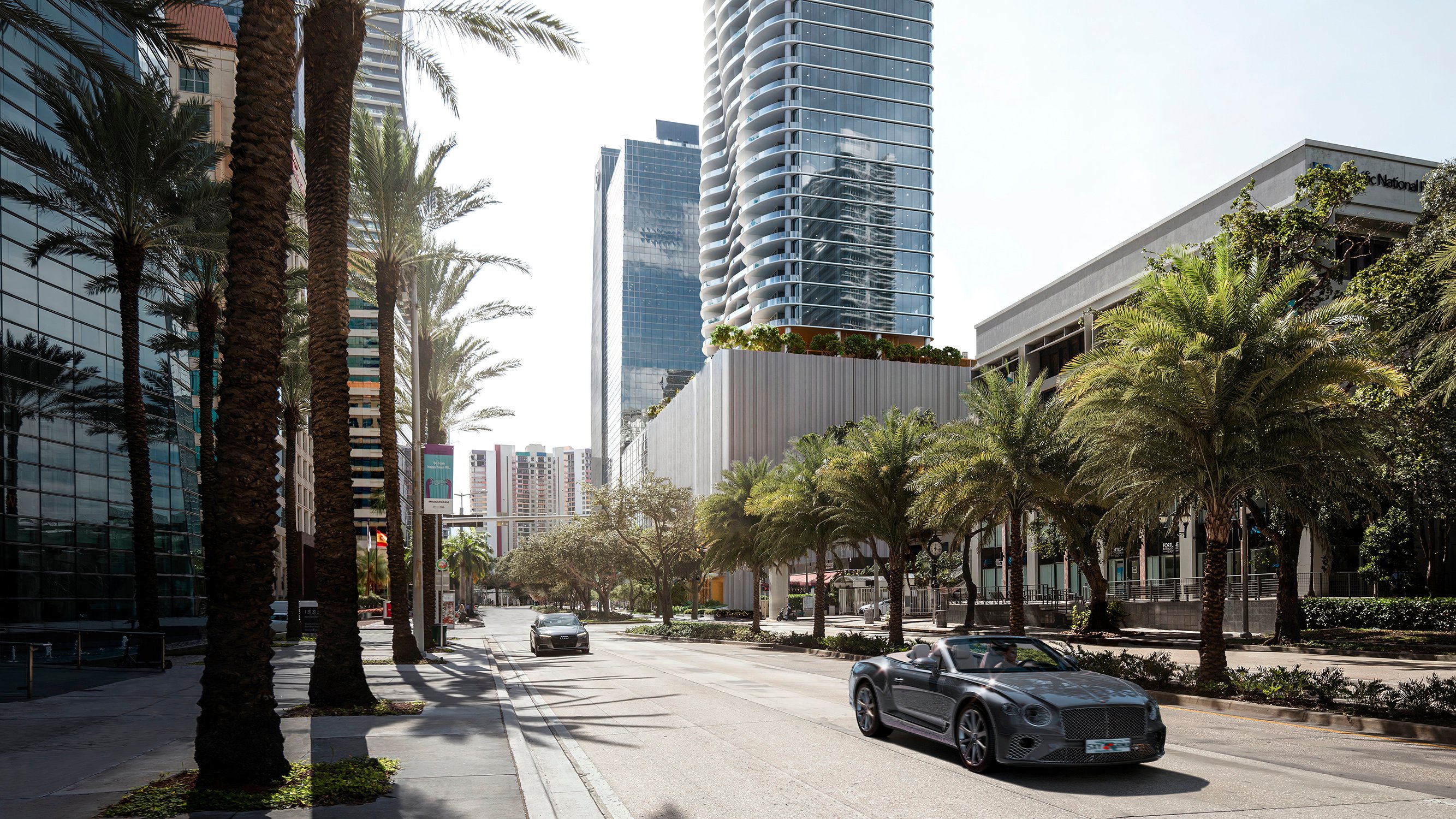
In South Florida’s ultra-premium market, “pet-friendly” is no longer a differentiator. The differentiator is whether a building designs for the lived reality of pet ownership with the same rigor it applies to human wellness. In Brickell, that means moving beyond a basic relief area and toward a hygienic, quietly elevated grooming environment-one that supports daily routines without disturbing neighbors, complicating staff workflows, or breaking the building’s visual calm.
A pet spa, executed well, functions as value protection. It lowers the likelihood of wet elevators, improvised bathtub cleanups, and the subtle wear that follows when residents lack an appropriate place to rinse sand, salt, or rainy-day grime. More importantly, it signals to buyers that the developer is willing to engineer around lifestyle friction points-not just create photographable moments.
For residents comparing The Residences at 1428 Brickell and Mercedes-Benz Places Miami, the pet spa conversation becomes a useful proxy for a broader question: how thoughtfully is the building integrating service, movement, and discretion across the overall resident experience?
The strongest pet spas operate like micro-service environments: compact, purposeful, easy to sanitize, and organized around a clear sequence. A truly integrated pet spa typically includes:
A clear threshold that separates “street and paws” from “clean and calm.”
A workflow that supports rinse, shampoo, dry, and exit without backtracking.
Surfaces that resist moisture, odor, and staining, paired with hardware that reads as commercial-grade.
Lighting and acoustics that keep the experience calm for animals and discreet for nearby residences.
Where many buildings fall short is not generosity-it’s intention. A room with a tub and a hand dryer can carry the label “pet spa.” Integration is what makes it feel like an amenity you’ll genuinely use.
At The Residences at 1428 Brickell, the most useful way to evaluate a pet spa is to treat it as an extension of the building’s hospitality posture. Focus on how the space connects to a resident’s path of travel: can you access it without weaving through social zones, and can you arrive with a wet dog without feeling as though you’re interrupting the building’s composure?
Integration also shows up in what the building appears to optimize for. A resident-forward approach prioritizes ease-quick access from arrival points, straightforward rules of engagement, and materials that can absorb frequent use. In its best form, this amenity supports a fast rinse after a walk and a clean return to the elevator within minutes, without leaving hair or water trails.
It is also worth assessing whether the pet spa is treated as a single-purpose room or as part of a broader pet ecosystem. In best-in-class buildings, the grooming environment connects naturally to other pet considerations, including relief logistics, waste handling, and resident etiquette infrastructure. This doesn’t require extravagance; it requires that the pet experience was part of core planning rather than a late add-on.
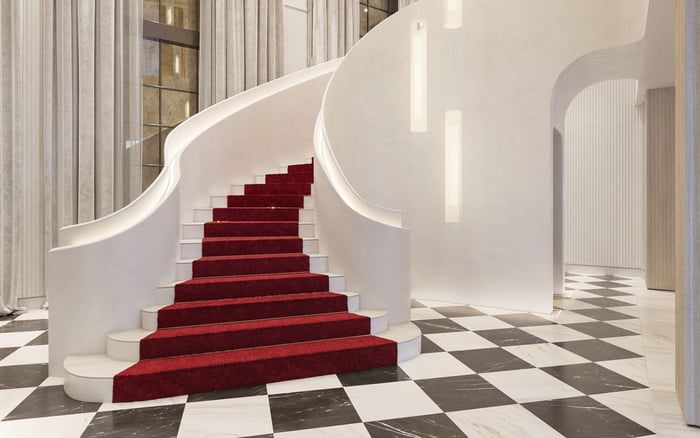
With Mercedes-Benz Places Miami, buyers are often drawn to the broader appeal of branded living: cohesive design language, a clear identity, and amenities that feel curated rather than generic. In that context, the pet spa should be assessed for the same design discipline expected elsewhere in the building.
The key integration question is whether the pet spa belongs-visually and operationally-or whether it reads like a back-of-house concession. Luxury buyers feel that difference immediately. When a building’s design narrative is strong, a pet amenity that appears improvised can quietly erode the overall experience.
Operational integration matters as much as aesthetic cohesion. A well-integrated pet spa reduces conflict points: no awkward encounters in narrow corridors, no sense that you’re “breaking the rules” by bringing a pet through a pristine lobby sequence, and no reliance on staff assistance for basic use. Ask how pet circulation is intended to work on a normal day, not just how it photographs on a tour.
Because pet spa performance is largely experiential, the most useful evaluation is a disciplined walkthrough. In Brickell-where humidity and frequent rain can complicate cleanliness-these checkpoints often separate true luxury integration from a marketing label.
A pet spa should be close enough to feel convenient, yet set apart enough to remain discreet. If the only route requires passing through a lounge or a high-visibility social corridor, the amenity may exist, but it isn’t fully integrated. The best condition is a calm, intuitive path that matches how residents actually return from a walk.
Odor is the silent failure point. Even a beautifully finished pet spa becomes functionally unusable if ventilation is underpowered or poorly planned. Listen and smell during a tour. If the room feels humid, it’s unlikely to age well. Integration means designing for constant moisture and intermittent mess without turning the amenity into a maintenance liability.
Look down. Floors, transitions, and drains reveal the real standard. A well-designed pet spa uses surfaces and details that tolerate frequent cleaning without degrading. The room should feel built to be sanitized quickly-not merely wiped down. Hardware should feel stable and intentional, not like residential-grade improvisation.
A pet spa isn’t only about cleanliness; it’s about minimizing stress. Loud dryers, echoing tile, and bright, harsh lighting can create an environment animals resist. Integration means considering acoustics and comfort so residents actually use the space instead of avoiding it.
Ask where the towels go. Ask where the shampoo goes. A truly integrated pet spa anticipates the small essentials: hooks, shelves, and a place to stage grooming items without clutter. A clear wet-to-dry sequence keeps water out of the rest of the building-a quiet win for both management and residents.
In a luxury building, amenities shape culture. A pet spa that functions well encourages responsible behavior: residents rinse paws, manage shedding, and minimize hallway mess. Over time, that reduces friction in a pet-forward community and helps protect common-area finishes.
Just as importantly, a strong pet amenity allows pet ownership to coexist with a more formal residential atmosphere. Many high-end buyers love dogs and also value quiet. A well-integrated pet spa supports both by moving the messier parts of pet life into a controlled environment.
In Brickell, buyers often cross-shop buildings with strong wellness narratives. A smarter comparison is to view pet amenities as part of the property’s broader care infrastructure. For example, a buyer considering a more classic, residential sensibility might also look at 2200 Brickell, where the surrounding neighborhood rhythm can influence how often you rely on in-building pet conveniences versus street-level routines.
Brickell’s density and walkability drive much of its appeal, but they also make frictionless pet routines more important. Elevators, common corridors, and shared outdoor areas compress daily life. When a building acknowledges that reality, the pet spa becomes less novelty and more functional wellness amenity.
This is also where “Pets” becomes a serious buyer filter rather than a lifestyle footnote. Many purchasers aren’t only choosing a residence; they’re choosing an operating system. The pet spa is one of the clearest places to see how that operating system has been designed.
For buyers also exploring other Brickell icons, it can be instructive to tour a building with a distinct hospitality identity, such as Cipriani Residences Brickell, and note how seamlessly service spaces are integrated overall. Even when amenity sets differ, the philosophy of circulation and discretion often remains consistent within a project.
When comparing The Residences at 1428 Brickell against Mercedes-Benz Places Miami, frame the pet spa question in personal, practical terms:
If you value daily convenience above all, prioritize location, workflow, and ease of access.
If you value cohesive design and brand-level finish consistency, prioritize whether the room feels intentional and aligned with the building’s overall aesthetic.
If you travel frequently or maintain a structured household, prioritize how the building’s pet amenities support predictable routines and reduce reliance on outside services.
It’s also worth being honest about your pet’s temperament. Some dogs tolerate grooming environments easily; others need calm, quiet design and room to settle. The best pet spas are not only functional-they’re emotionally intelligent.
Finally, remember that in a high-rise, a pet spa is rarely an isolated amenity. It shapes neighbor experience, influences staff workflow, and affects the long-term care of common areas. Integration is where a pet-forward feature becomes a building-wide benefit.
What is the practical difference between a pet wash room and a true pet spa? A true pet spa is designed around workflow, hygiene, and comfort-not simply a tub in a spare room.
Should a luxury buyer prioritize a pet spa over a dog park? A pet spa supports daily cleanliness and building upkeep, while a dog park is more about exercise and socialization.
Where should a pet spa be located in a high-rise for best discretion? Ideally, it sits on an intuitive route from arrival points without forcing residents through social amenity zones.
What finishes signal a higher-quality pet spa? Durable, non-porous surfaces, robust drainage, and hardware that feels stable under frequent use.
How can you tell if odor control will be an issue? If the room feels humid or holds odor during a tour, ventilation may be insufficient for long-term performance.
Does a pet spa help protect resale value? It can, because it reduces wear on common areas and signals thoughtful lifestyle engineering to future buyers.
Are pet spas mainly for dog owners? Mostly, though any pet that benefits from rinsing or cleanup can make the amenity worthwhile.
What questions should I ask on a tour about the pet spa? Ask about cleaning protocols, ventilation, hours, and how day-to-day pet circulation is intended to work.
How does Brickell density change the importance of pet amenities? Shared elevators and corridors make controlled grooming spaces more valuable for etiquette and cleanliness.
If I am comparing buildings, what is the single best integration tell? Whether you can arrive, groom, and exit discreetly without disrupting the building’s social or lobby flow.
For a tailored shortlist and next-step guidance, connect with MILLION Luxury.
If branded residences are on your mind — as a home or as an allocation — we would be glad to share what we are seeing, privately.
Begin a quiet conversation