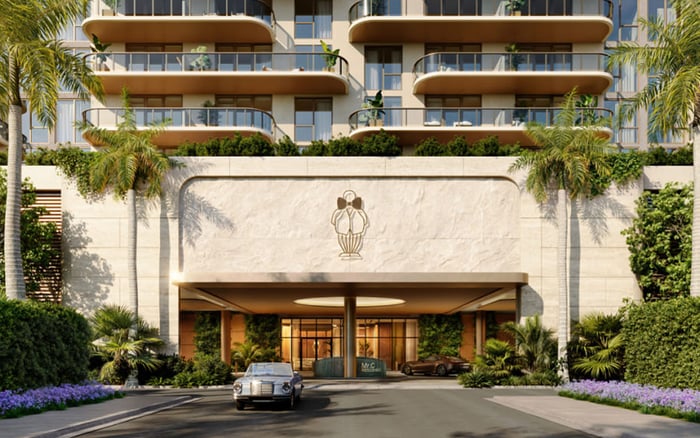
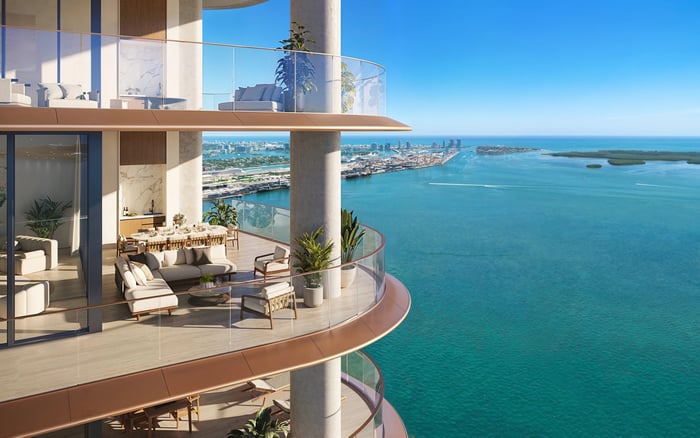
619 Residences emphasizes Nobu-led venues and at-home dining, while Mandarin Oriental Boca Raton advertises 24-hour in-residence catering. For buyers who entertain, the decisive distinction is between hospitality access and documented permission to host.
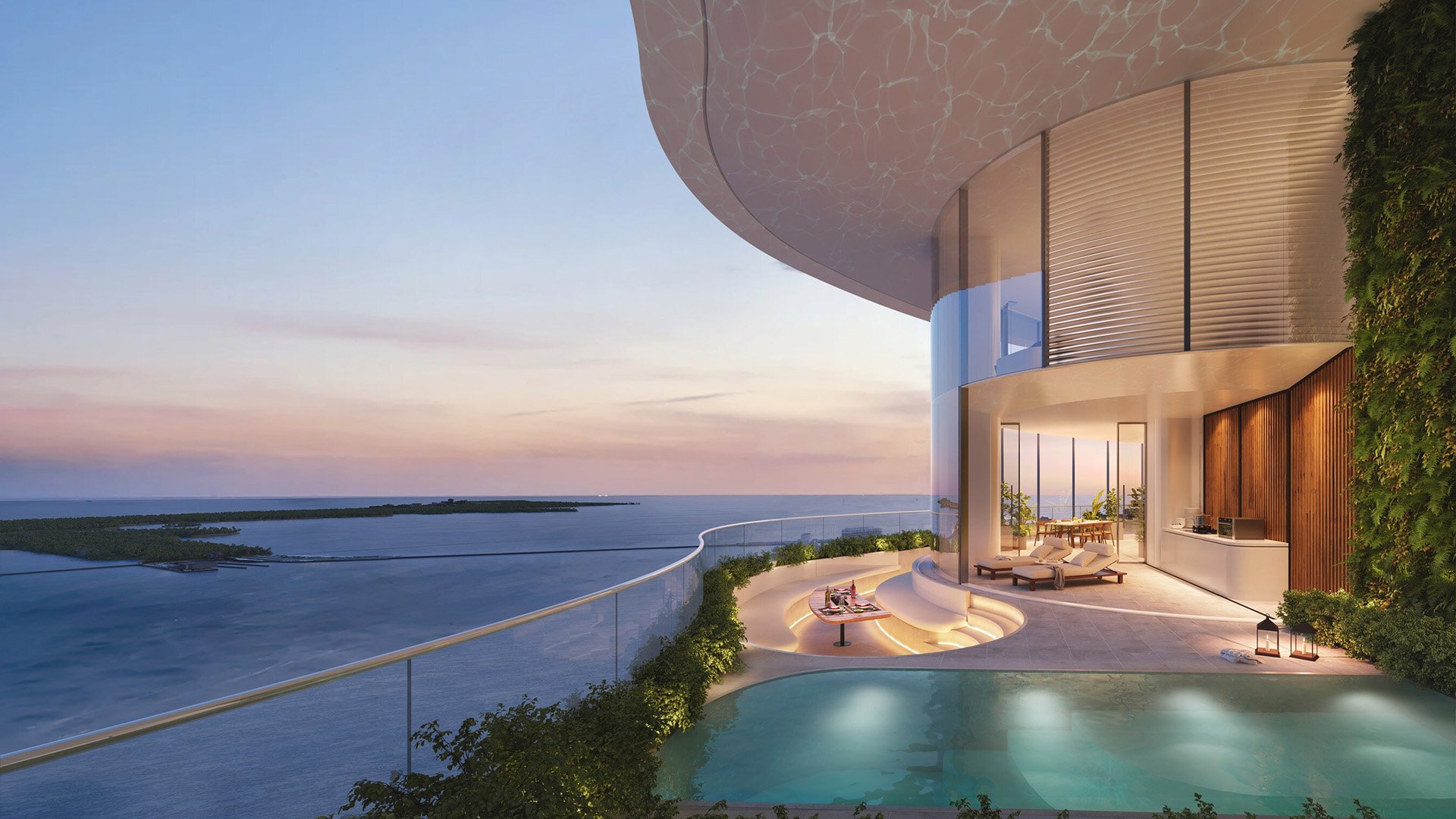
For a buyer who entertains, residential hospitality means more than a restaurant downstairs. It means arranging dinner at home, welcoming guests discreetly and knowing which spaces can actually be reserved. The distinction between dining access and event permission is central to evaluating 619 Residences in Brickell and The Residences at Mandarin Oriental Boca Raton.
The advertised programs have different emphases. 619 centers on Nobu-branded venues, in-residence dining and chef services. Mandarin Oriental Boca Raton explicitly advertises 24-hour in-residence catering through the hotel's restaurants. Neither offering, by itself, establishes permission to stage a private celebration in a shared amenity.
Treat these offerings as advertised plans, not confirmation that every service or venue is operational. A useful comparison starts with what is described, then identifies the contractual questions that remain open.
At 619 Residences by Foster + Partners + Nobu Hospitality, Nobu Hospitality is slated to oversee food-and-beverage programming encompassing restaurant dining, in-residence dining and private chef services. For a host, the appeal lies in the prospect of continuity between the restaurant experience and a meal served at home.
The planned ground-floor Nobu restaurant and bar includes bay views and boardwalk access. Within that restaurant, a dedicated private dining room is described as exclusively accessible to residents. A separate residents-only Nobu restaurant is also planned. These are distinct settings, not interchangeable descriptions of one room.
That distinction matters when evaluating privacy. Resident-exclusive access to a dining room does not necessarily mean one household can reserve it for its sole use for an evening. Buyers should ask whether reservations cover tables or the entire room, whether nonresident invitees may attend and which booking conditions apply.
A residents-only Nobu café is intended to serve the pool and select amenity areas. Broader language describing food-and-beverage service across amenities should not be read as permission to host private events throughout the building. Poolside meal service and exclusive use of the pool for a reception are separate privileges.
619 Advertises three separate at-home options: in-residence dining by Nobu, in-residence Nobu chef services and signature Nobu dining to-go. Buyers should keep those distinctions clear rather than treating all three as equivalent forms of catering.
For an informal evening, a prepared meal may suffice. For a seated dinner party, the relevant questions concern chef availability, menu planning, service staff and cleanup. The advertised chef offering warrants asking about those arrangements; it does not establish that every element is included or available on demand.
Request a written outline for a dinner in your intended format. Ask how far ahead it must be arranged, what happens if the requested chef service is unavailable and whether staff can remain throughout the meal. No round-the-clock Nobu service commitment is established here, so buyers should not assume Mandarin Oriental's stated catering hours also apply at 619.
At The Residences at Mandarin Oriental Boca Raton, the advertised program explicitly includes 24-hour in-residence catering provided by the hotel's restaurants. In-residence catering with private chefs at owners' disposal is also listed.
For a household with an irregular dining schedule, the stated service window is a meaningful distinction. It should not, however, be read as a promise that a fully staffed dinner party or any requested menu can be arranged at any hour. Confirm the distinction between routine catering availability and advance arrangements for private-chef entertaining.
Earlier advertised offerings, dated April 4, 2018, included private-chef arrangements for dinner parties, preferred access to hotel restaurants and bars, resident-only lounges and gathering areas, and a lobby-level wine cellar with a private tasting room. These details warrant fresh confirmation rather than acceptance as settled operating terms.
Preferred restaurant access is not exclusive venue use. Likewise, the previously advertised rooftop ocean-view cabanas and Via Mizner Golf and City Club membership privileges do not establish private-event permissions. Buyers should not assume ballroom access, unrestricted club bookings or the right to close a tasting room to other residents.
The unresolved questions are broadly the same at both properties. Guest-count limits, quiet hours, outside-caterer policies, booking fees, minimum spends and approval procedures are not established by the advertised offerings. That lack of detail proves neither prohibition nor unrestricted use.
Start with guest eligibility. Ask whether owners, tenants, visiting guests and subsequent purchasers receive the same dining and reservation privileges. Where a venue is described as residents-only, request a precise explanation of how invited dinner guests are accommodated.
Next, separate outside catering from the branded dining program. Ask whether an independent chef or caterer may enter a residence, use service access and prepare food on-site. Confirm any vendor approval, insurance or delivery requirements. These are due-diligence questions, not stated restrictions at either property.
Then address shared-space events. Request permitted capacities, booking windows, cancellation terms, sound restrictions and rules for decorations or entertainment. Establish who approves a gathering and whether approval can be withdrawn. Finally, obtain an itemized cost outline covering any applicable room hire, minimum spend, staffing, cleaning or security charges.
The most revealing comparison comes from written responses to the same hosting brief. Specify your intended guest count, meal format, preferred time and desired setting. Ask each property to distinguish what is advertised, what can be arranged and what would require separate approval.
For a buyer drawn to Nobu-led dining, 619 presents several distinct restaurant and at-home options. For someone prioritizing catering at varied hours, Mandarin Oriental Boca Raton offers an explicit 24-hour service window. The available details do not establish which property accommodates larger events or offers more permissive hosting rules.
If your Boca Raton search also includes Alina Residences Boca Raton, apply the same hosting brief there without assuming equivalent hospitality services. A consistent checklist makes comparisons more useful than amenity names alone.
The better fit is the residence whose documented arrangements support the evenings you actually intend to host, with acceptable costs, privacy and scheduling certainty.
For a considered approach to South Florida residences and the details that shape ownership, explore MILLION.
If branded residences are on your mind — as a home or as an allocation — we would be glad to share what we are seeing, privately.
Begin a quiet conversation619 emphasizes Nobu-branded venues, in-residence dining and chef services. Mandarin Oriental Boca Raton explicitly advertises 24-hour in-residence catering from the hotel's restaurants.
A dedicated private dining room within the ground-floor Nobu restaurant is described as exclusively accessible to residents. Exclusive booking terms for an individual household remain unconfirmed.
Yes. A separate residents-only Nobu restaurant is planned, distinct from the private dining room within the ground-floor restaurant.
The offerings include in-residence Nobu dining, in-residence Nobu chef services and signature Nobu dining to-go. Their availability, staffing and booking terms should be clarified separately.
Yes, it advertises 24-hour in-residence catering through the hotel's restaurants. That does not establish round-the-clock availability for fully staffed private-chef events.
Private chefs are included in the advertised in-residence catering offering. An older marketing description also discusses chefs for dinner parties, so current arrangements should be confirmed.
The available details do not establish either property's outside-caterer policy. Buyers should request written terms for vendor access and approval.
Advertised amenity access does not establish private-event booking rights. Exclusive use, guest permissions and reservation conditions require separate confirmation.
Guest-count limits, booking fees, minimum spends, quiet hours and approval procedures remain unresolved at both properties. Neither unrestricted hosting nor a ban on larger gatherings can be assumed.
Equivalent privileges are not established. Buyers should clarify eligibility for owners, tenants, visiting guests and subsequent purchasers in writing.