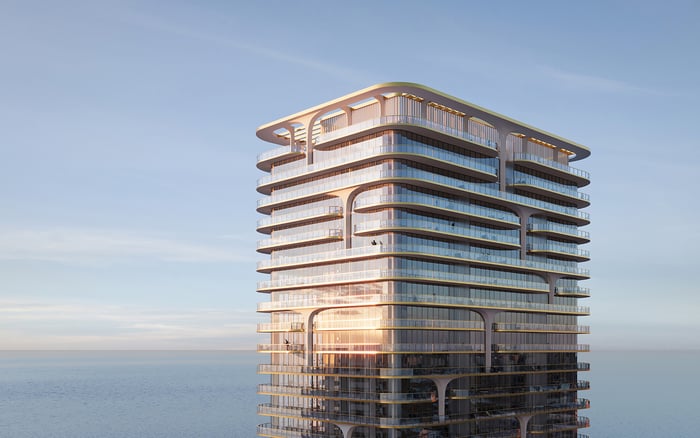
For prospective Rosewood Residences Hillsboro Beach buyers, mold protocols belong within preventive coastal due diligence. Understand the anticipated delivery timeline, contractual inspection rights, and questions worth resolving before handover.

At Rosewood Residences Hillsboro Beach, the appeal begins with a rare coastal setting and a carefully defined residential offering. For buyers, however, the decision should extend beyond architecture, interiors, and the promise of waterfront living. A clear mold-inspection protocol belongs in the acquisition plan, even when the residence will be entirely new.
First, an important distinction: Rosewood is under construction, with anticipated delivery in 2027-not already delivered. Its topping-out milestone occurred in February 2026. An earlier completion projection pointed to 2026, but neither estimate should be treated as a contractual delivery guarantee.
The reference to newly delivered residences is therefore a broader ownership principle, not a description of Rosewood’s current status. This is preventive due diligence, not an allegation of a mold problem at the project. Newness should prompt a well-organized handover, not replace one.
The development comprises 92 coastal and beachfront residences at 1180 Hillsboro Mile, on approximately 11.2 acres extending from the Atlantic Ocean to the Intracoastal Waterway. A ten-story oceanfront tower contains 70 residences; a three-story Intracoastal building contains 22.
Related Group and Dezer Development are the developers, with architecture by Arquitectonica and interiors by Studio Piet Boon. Those credentials establish the project’s design context. They do not resolve the separate questions of inspection access, environmental assessment, or responsibility for addressing a finding.
For this Broward waterfront purchase, humidity, wind-driven rain, and salt exposure belong in the maintenance and inspection conversation. Roofs, structure, impact glazing, HVAC corrosion, and mold risks also warrant attention in a coastal inspection.
The buyer’s task is not to presume a deficiency. It is to ensure that the inspection scope reflects the setting and that any concern has a defined path to evaluation and resolution.
Start by asking an inspector experienced with coastal properties to propose a written scope. The proposal should distinguish the residence itself from building elements that may require separate access, authorization, or specialist review. Do not assume that a unit appointment includes every roof, exterior component, or shared system.
Ask which areas will be accessible, what the inspector intends to assess, and what would prompt a recommendation for additional mold evaluation. Where specialist work is proposed, confirm the professional’s qualifications and applicable licensing requirements rather than relying on a general service description.
For buyers also considering The Ritz-Carlton Residences® Pompano Beach, these questions provide a useful basis for comparison. Compare the inspection arrangements and written commitments available for each purchase rather than assuming similarities between properties.
Keep the distinction between an inspection question and an established condition explicit. A request to evaluate moisture or mold risk is not evidence that a residence has a problem.
Review the developer purchase agreement and any incorporated amendments before setting the inspection calendar. Do not assume that an inspection period is available near completion or after handover, or that provisions used in another transaction apply to this purchase.
Ask your attorney to identify the operative deadlines, permitted access, notice requirements, and available procedures if an inspection raises a concern. Confirm whether a proposed inspection provision is part of the signed agreement.
For an acquisition with a future delivery date, the central question is simple: does the contract provide the opportunity you expect at the stage when you expect to use it? Resolve that question before relying on a calendar reminder.
A useful protocol gives buyers an agreed sequence of responsibilities, rather than the assumption that one appointment settles everything. Ask the inspector to explain the proposed evaluation, whether sampling is appropriate, and how any results would inform the next step.
If testing is recommended, obtain written preparation instructions from the professional performing it. Ask how the residence should be operated beforehand, which locations will be evaluated, and how multiple air-conditioning systems would affect the proposed scope. Settle these matters for the particular appointment; do not improvise on inspection day.
Agree on the format of the written findings as well. Request a clear distinction between observations, test results if any, areas not accessed, and recommended follow-up. Ask who will explain the findings and whether another qualified professional may be needed.
The goal is an actionable outcome: understanding what was examined, what remains unresolved, and who is responsible for the next decision.
A brand can be central to a buyer’s preferences without substituting for contractual clarity. The same distinction applies when evaluating Four Seasons Hotel & Private Residences Fort Lauderdale: assess the residential offering, then independently examine the agreement governing the purchase.
Before accepting a residence, request a written process for communicating inspection findings. Identify the designated recipient, the applicable response process, and how any agreed work will be documented. If follow-up evaluation is recommended, discuss access and timing before assuming either will be available.
Keep those arrangements separate from general expectations about service. A welcoming handover and a technically complete inspection serve different purposes. Buyers should seek both, with the signed documents and qualified professionals defining their respective boundaries.
For a residence intended for intermittent use, ask the appropriate management and service professionals to help establish an operating and observation plan. Clarify who should be contacted about a concern, who can authorize access, and how maintenance instructions will reach anyone overseeing the home during an absence.
Keep the inspection scope, written findings, correspondence, and any agreed follow-up documentation together. The objective is continuity between acquisition and ownership-not treating delivery as the end of due diligence.
Rosewood’s ocean-to-Intracoastal setting is integral to its appeal. A disciplined mold protocol respects that setting without casting suspicion on the property: establish access, engage qualified professionals, understand the contract, and document the next steps.
For a considered approach to South Florida’s exceptional residences, explore MILLION.
If branded residences are on your mind — as a home or as an allocation — we would be glad to share what we are seeing, privately.
Begin a quiet conversationThe project is under construction, with anticipated delivery in 2027. That estimate is not a contractual delivery guarantee.
No. The discussion concerns preventive buyer due diligence and does not allege a project-specific mold problem.
The development comprises 92 residences: 70 in a ten-story oceanfront tower and 22 in a three-story Intracoastal building.
It is located at 1180 Hillsboro Mile on approximately 11.2 acres extending from the Atlantic Ocean to the Intracoastal Waterway.
Coastal due diligence should address humidity, wind-driven rain, salt exposure, and relevant mold risks. A newly completed residence still merits a clearly defined inspection and handover plan.
Seek coastal inspection experience and confirm qualifications and applicable licensing for the proposed work. Relevant inspection considerations include roofs, structure, impact glazing, HVAC corrosion, and mold risks.
No; buyers should have an attorney review the actual developer purchase agreement and incorporated amendments. Confirm the inspection deadlines, access rights, and notice requirements before scheduling.
Ask your attorney whether the signed agreement permits inspection at the stage you expect. Do not assume access will be available near completion or after handover.
Obtain written preparation instructions from the professional performing the testing. Clarify the proposed locations, operating conditions, and treatment of multiple air-conditioning systems before the appointment.
Keep the written scope, findings, correspondence, and documentation of any agreed follow-up together. Ask for a clear process identifying who receives concerns and how next steps will be handled.