ONE Park Tower’s wellness proposition deserves a buyer’s review that goes beyond amenity design. Written access rights, staffing commitments, maintenance funding, and measurable service standards are the essential next questions.
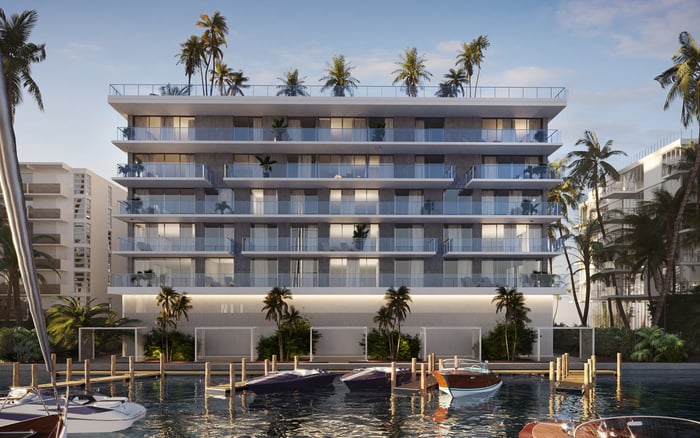
At One Park Tower by Turnberry North Miami, the wellness proposition begins with an appealing setting: a residential tower within SoLé Mia, the 184-acre master-planned community in North Miami. Marketed as the community’s first for-sale condominium, the project combines Turnberry’s development role with architecture by Arquitectonica and interiors by Meyer Davis.
The advertised amenity program exceeds 60,000 square feet, encompassing fitness, spa, recreation, and quieter spaces. For a buyer seeking an effortless daily routine, that breadth is compelling. Yet design establishes what a place could support-not how consistently it will serve residents.
Four distinctions matter: advertised facilities, planned programming, contractual resident entitlements, and measured operating performance. A sound purchase decision requires examining each separately. Wellness here is a lifestyle proposition, not evidence of measured health outcomes.
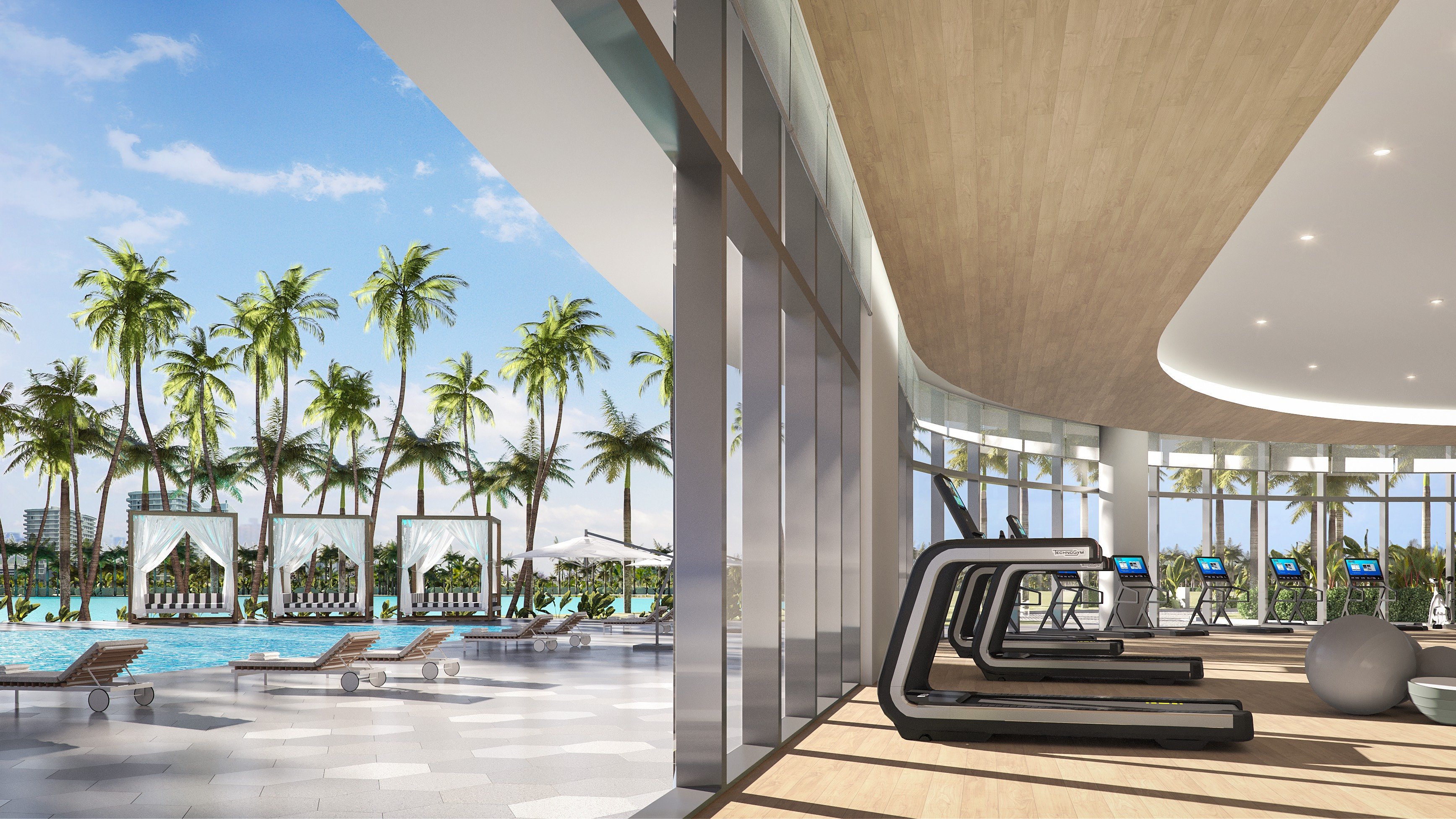
The advertised fitness center overlooks ONE Beach Club, with dedicated studios for yoga, spin, and Pilates. Men’s and women’s spa facilities are marketed with massage treatment rooms, sauna, and steam facilities. These are specific physical offerings, but they do not establish the hours, staffing, or availability residents can expect.
Pool attendants, towel service, wellness classes, children’s activities, and bicycle sharing are described as planned lifestyle services. That wording calls for document review, not an assumption that the services are guaranteed or unenforceable. Have counsel reconcile the marketing language with governing documents, purchase terms, and applicable service agreements.
Request a written operating schedule covering weekday and weekend hours, holiday coverage, weekly class frequency, booking windows, capacity limits, and cancellation policies. Clarify whether treatments and classes carry separate charges and whether instructors or therapists are employees or outside providers.
A studio is a facility. A reliably available class is a service. Buyers should evaluate both.
A beautifully appointed spa deserves an equally considered maintenance plan. Ask for preventive-maintenance schedules covering fitness equipment, sauna and steam systems, ventilation, and other amenity infrastructure. Identify the responsible operator, inspection intervals, service contractor, and procedure for taking equipment out of use when repairs are needed.
Replacement planning requires separate scrutiny. Request the association budget, available reserve studies, equipment inventory, and replacement assumptions. Distinguish recurring operating expenses from capital replacement allowances, and ask how each obligation is allocated and funded.
Equipment replacement cycles, maintenance contracts, spa staffing, operating hours, and treatment pricing remain unestablished here. Those gaps call for documentation; they are not evidence of inadequate maintenance or funding.
For a buyer also considering The Well Bay Harbor Islands, the same diligence framework offers a useful comparison: assess written commitments and funding arrangements rather than wellness language alone. Any project-specific conclusion requires its own documents.
ONE Beach Club is marketed with sandy beaches, cabanas, and access to a seven-acre Crystal Lagoon. Advertised recreation includes kayaking, paddleboarding, snorkeling, and water mats. Separately, the sixth-floor social deck is advertised with a pool, spa, and ocean views. Buyers should not assume these settings share access rules or operating arrangements.
For each, clarify hours, guest allowances, reservation requirements, attendant coverage, equipment availability, and any additional charges. Ask who authorizes closures, how residents are notified, and what arrangements apply during maintenance or weather interruptions.
For the lagoon, request the applicable water-quality standards, testing frequency, recordkeeping procedures, and escalation protocol when results require action. Testing frequency and water-quality performance metrics remain unestablished here. No conclusion about actual water quality or regulatory compliance follows from that absence.
Obtain a responsibility schedule identifying whether the building association, master association, or a third-party operator maintains the lagoon, beach club, trails, and landscaping. Trace that allocation through budgets and resident charges. Shared access should come with a clear explanation of shared costs.
The broader SoLé Mia setting is described as offering 37 acres of active and passive green space and approximately eight miles of biking and running trails. These advertised features extend the lifestyle proposition beyond the tower, but access, upkeep, and applicable rules still require verification.
Reserve Padel is marketed as a 100,000-square-foot club with four indoor and six outdoor padel courts, two pickleball courts, and wellness facilities including steam and cold plunge. Confirm its current status, membership pricing, and any documented resident privileges. Proximity does not establish inclusion in condominium ownership.
Likewise, UHealth at SoLé Mia is described as offering specialties including cancer care, cardiology, neurology, and orthopedics. Nearby healthcare is not the same as a resident-specific medical program.
For buyers also considering Sunny Isles Beach and Turnberry Ocean Club Sunny Isles, the same distinction applies: neighborhood convenience is not contractual access. Brand familiarity should not substitute for reviewing each property’s arrangements.
The tower’s April 2025 topping-out marked a construction milestone. It did not establish that amenities, programming, or services were operational. Dated marketing language likewise cannot settle current availability.
Before relying on a feature in a purchase decision, obtain an updated amenity delivery schedule and distinguish planned opening dates from confirmed availability. Ask how phased delivery would affect access, services, and charges, and have counsel review the relevant contractual provisions.
If a wellness or lagoon certification is presented during the sales process, request the certificate, scope, issuing body, and validity period. WELL, Fitwel, and lagoon certifications are not established project credentials here. They belong on the diligence agenda as questions, not assumed benefits.
The most useful operating commitments are observable. Ask management to define how it would track class delivery against the published schedule, equipment downtime, attendant coverage, cleaning completion, and service-request acknowledgment and resolution. Request a reporting cadence and an escalation contact without assuming those systems already exist.
Then test the offering against your own routine: an early workout, a weekend treatment, a visiting family member, or a day at the lagoon. Confirm who delivers each experience, when it is available, what it costs, and what happens when it is interrupted.
ONE Park Tower’s advertised amenities warrant serious consideration. Their enduring value should be evaluated through documented access, funded upkeep, and accountable service-not amenity counts alone. Unanswered questions are matters for diligence, not findings of failure.
For a discreet perspective on South Florida residences and the ownership details behind their appeal, explore MILLION.
If branded residences are on your mind — as a home or as an allocation — we would be glad to share what we are seeing, privately.
Begin a quiet conversationOfficial project materials list 2411 Laguna Circle, North Miami, FL 33181, within the 184-acre SoLé Mia master-planned community.
Turnberry is the developer, Arquitectonica is the architect, and Meyer Davis is responsible for interiors.
The advertised program includes a fitness center, yoga, spin, and Pilates studios, plus spa facilities with massage treatment rooms, sauna, and steam facilities.
They are described as planned lifestyle services. Their contractual status and delivery commitments require review of governing documents and applicable agreements.
Request preventive-maintenance contracts, equipment replacement schedules, association budgets, and available reserve studies. Clarify the responsible operator and funding allocation for each amenity.
The brochure does not establish testing frequency or water-quality performance metrics. That disclosure gap does not demonstrate unsafe conditions or regulatory noncompliance.
Inclusion is not established by the advertised neighborhood offering. Verify current operations, membership fees, and any documented resident privileges separately.
The neighborhood offering identifies healthcare specialties at UHealth at SoLé Mia, not a resident-specific medical program or included medical services.
No. The April 2025 topping-out announcement was a construction milestone and did not establish amenity or service operations.
Useful proposed measures include class delivery, equipment downtime, attendant coverage, cleaning completion, and service-request response times. Buyers should ask whether management will document and share them.