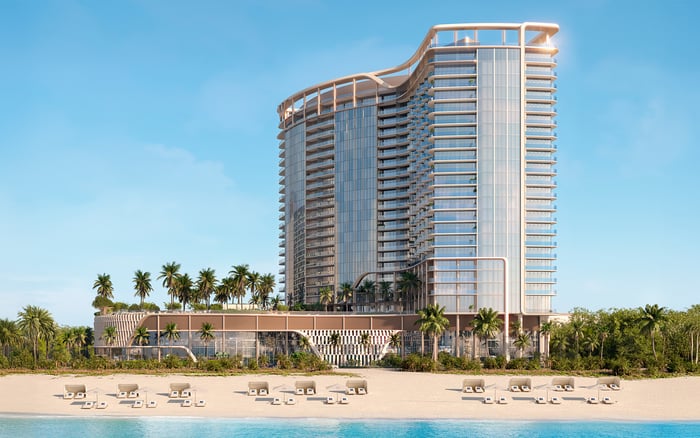
For Ocean 580 buyers, a temporary occupancy certificate calls for separate checks on municipal approval, closing conditions, insurance and everyday services. Here is how to assess those distinctions before scheduling a move.
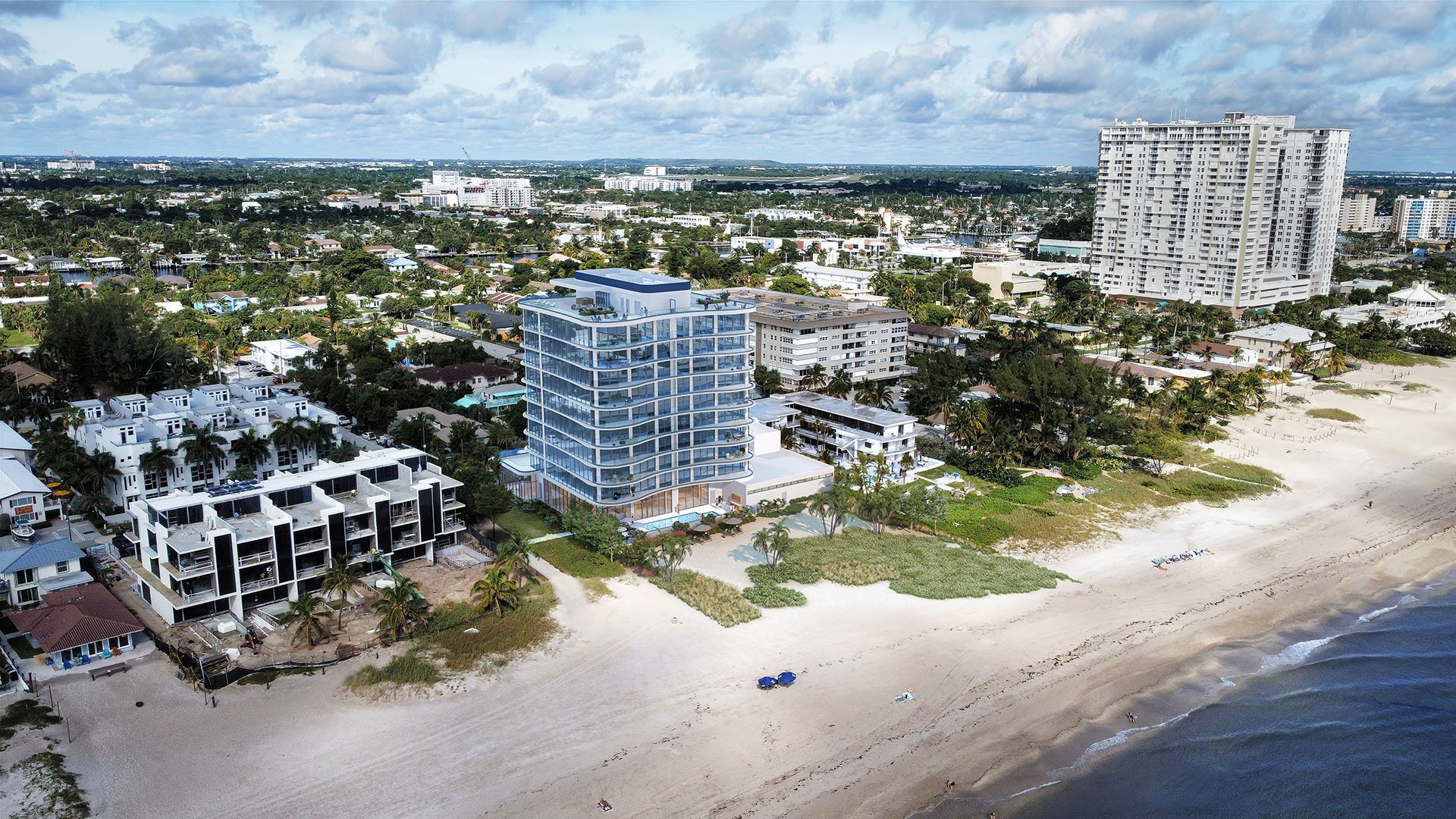
The appeal of Ocean 580 Pompano Beach begins with its intimate scale: a marketed collection of 17 beachfront residences on Briny Avenue. Advertised starting prices of approximately $4.35 million establish its positioning-not current availability or transaction values. For a buyer considering this address, the quality of arrival deserves as much attention as the residence itself.
A Temporary Certificate of Occupancy, or TCO, can be central to that assessment. Ocean 580’s current certificate status should not be assumed. Confirmation of an issued TCO or final Certificate of Occupancy must precede move-in planning. The considerations below apply if a residence is offered for closing or occupancy under a TCO.
The essential distinction is straightforward: permission to occupy, readiness to close and readiness to enjoy the full residential experience are separate questions. A disciplined purchase review resolves each independently.
A TCO authorizes occupancy of a building, or an approved portion, before final completion while certain noncritical work remains outstanding. It neither replaces a review of the approved scope nor establishes that every marketed space is available.
Pompano Beach’s process requires verification of trade permits, identification of pending noncritical inspections, job-site inspector signoffs and resolution of holds. Required life-safety systems must be installed and operational. The application also requires notarized signatures from the qualifying agent and property owner.
These are formal municipal requirements, not matters settled by a developer’s assurance. A submission is not an issued authorization. The city maintains a dedicated CC | TCO | CO submittal form; buyers should distinguish paperwork in progress from permission already granted.
The final CO is a separate milestone. In Pompano Beach, a standard Certificate of Occupancy cannot be issued until the structure is completed in full compliance with its Zoning Compliance Permit. Neither milestone should be inferred from a sales presentation or a scheduled closing date.
The most useful document is the certificate covering the intended residence. Request it alongside the relevant phasing plan, and have counsel confirm the unit’s inclusion, approved access and any conditions affecting occupancy.
Pompano Beach requires an on-site phasing plan identifying areas approved for occupancy. Scope is therefore a practical concern: buyers need to understand not simply whether occupancy is authorized, but where that authorization applies.
Before booking movers or accepting furniture deliveries, ask for written confirmation of:
The residence and associated areas covered by the authorization.
Any applicable expiration date and conditions requiring follow-up.
Approved common areas and the intended move-in arrangements.
Outstanding noncritical inspections and the proposed path to final completion.
Buyers and counsel can request confirmation of certificate status, approved scope and any applicable expiration date from Pompano Beach’s Building Inspections department. These questions do not establish that Ocean 580 has restrictions. They define what a buyer should verify.
A TCO may support closing and move-in for a covered residence, but municipal approval does not obligate a lender to fund. Some lenders accept a TCO; others require a final CO. The closing agent’s acceptance and the purchase contract’s conditions also require separate review.
Ask the lender to confirm its position in writing based on the actual certificate, rather than a general description of the building’s progress. Counsel should examine whether contractual closing conditions are satisfied and whether any agreed holdbacks address outstanding work. Do not assume a holdback exists or can be required simply because occupancy is temporary.
For buyers also considering Casamar, apply the same document-first approach to each prospective purchase. This is a comparison of closing evidence, not a suggestion that the projects share certificate status or delivery conditions.
A cash purchase removes the lender’s funding decision-not the need to confirm occupancy authorization, contractual obligations or insurance arrangements.
During a TCO period, the developer’s builder’s-risk coverage, the association’s master coverage and the owner’s HO-6 coverage are not interchangeable. Ocean 580’s actual policies require direct review; no particular coverage arrangement should be presumed.
Ask your insurance adviser to distinguish each policy’s role and effective dates, then identify any exclusions, conditions or gaps relevant to occupancy while construction continues. Request the association’s applicable insurance documents rather than relying on a broad assurance that the building is insured.
Association insurance terms can differ during ongoing construction. Confirm what applies during the TCO period and whether final CO issuance changes those terms. Review the owner’s policy against the intended closing and occupancy dates as well.
The goal is not to infer that temporary occupancy necessarily means inadequate protection. It is to establish, in writing, which policy responds to which exposure and when. A certificate authorizing occupancy is not itself evidence of insurance coverage.
For an oceanfront buyer, practical readiness extends beyond access to the residence. Ask management which common areas are approved for use, which services are operational and whether service schedules differ before final completion. Assume neither full availability nor disruption.
Confirm when utility responsibility transfers from developer to owner, what arrangements apply at closing and who handles account activation. These questions should produce a dated responsibility schedule, not merely an assurance that utilities will be available.
Approximate HOA dues of $4,954 per month have been advertised for 580 Briny Avenue #602. That unit-specific figure is not a verified building-wide fee or a fixed future cost. Request the residence’s current assessment information and clarify what it includes before building an ownership budget.
When weighing Ocean 580 against The Ritz-Carlton Residences® Pompano Beach, compare documented service readiness separately from the lifestyle presentation. Neither a project name nor an advertised offering establishes what will be available on a particular move-in date.
For a seasonal residence in Broward, certainty around arrival can be especially valuable. Before committing to travel, deliveries or occupancy, assemble the issued certificate, approved scope, lender and closing-agent confirmations, insurance review and management’s service information.
If closing under a TCO is contemplated, also request the outstanding-work schedule and clarification of any agreed holdbacks. Treat a proposed completion timetable as something to evaluate with counsel, not as a municipal guarantee.
The right decision is not automatically to accept or reject temporary occupancy. It is to proceed only when authorization, obligations, protection and everyday use align with your expectations.
For a discreet perspective on your next South Florida residence, explore MILLION.
If branded residences are on your mind — as a home or as an allocation — we would be glad to share what we are seeing, privately.
Begin a quiet conversationIts current certificate status should not be assumed. Buyers and counsel should request confirmation of any issued TCO or final CO from Pompano Beach’s Building Inspections department.
A TCO authorizes occupancy of a building or approved portion before final completion while some noncritical work remains outstanding. Its scope determines which areas are covered.
No. Pompano Beach requires the necessary life-safety systems to be installed and operational for TCO approval.
A TCO may support closing for a covered residence, but the lender and closing agent must separately accept it. Counsel should also confirm satisfaction of contractual closing conditions.
No. Some lenders accept a TCO, while others require the final CO before funding.
The phasing plan identifies areas approved for occupancy. Reviewing it helps establish whether the residence and intended areas of use fall within the authorization.
Review the developer’s builder’s-risk coverage, the association’s master coverage and the owner’s HO-6 coverage separately. Confirm applicable terms and effective dates rather than assuming these policies are interchangeable.
No. Buyers should separately confirm which common areas are approved for use and which services are operational, without assuming Ocean 580 has restrictions.
The applicable transfer date and arrangements should be confirmed for the purchase. Buyers should establish who pays and who handles account activation at closing.
No. The approximately $4.35 million advertised starting price is not a current availability or transaction quote, and the approximately $4,954 monthly dues figure for 602 is unit-specific rather than a verified building-wide fee.