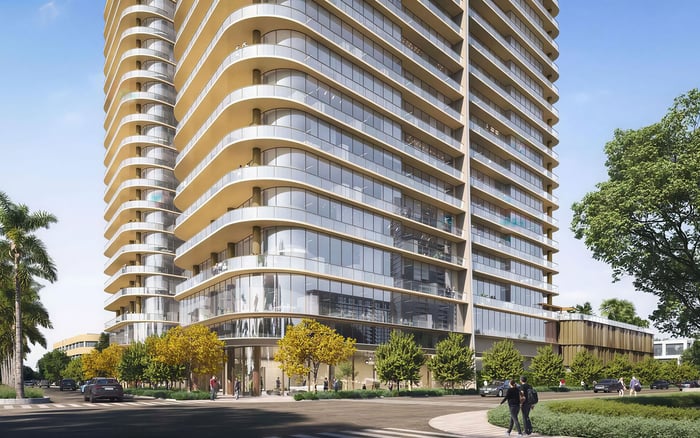
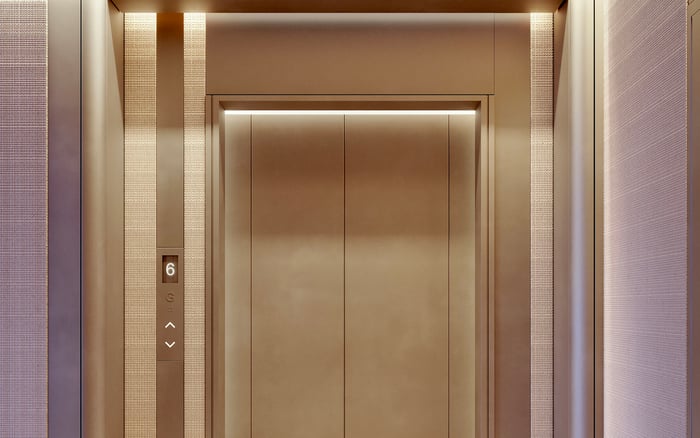
Miami Tropic Residences brings a distinctive culinary and design proposition to the Midtown and Design District crossroads. For buyers, the next layer of evaluation is documentary: governance, reserve funding, hospitality obligations, and the assumptions behind advertised ownership costs.
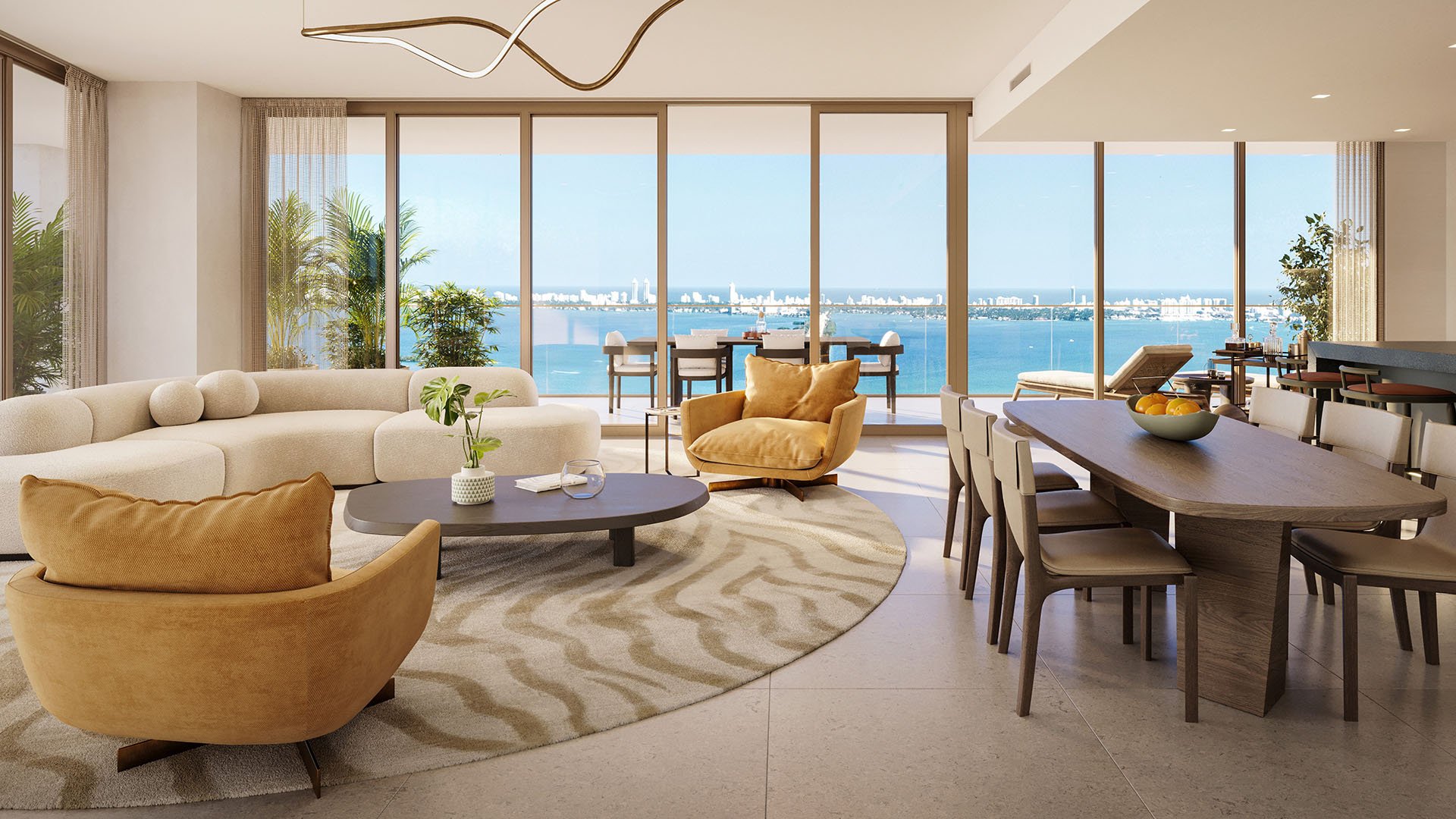
A beautifully conceived condominium reveals its appeal immediately. Its ownership structure takes longer to understand. At Miami Tropic Residences, culinary identity, architectural pedigree, and a Midtown Miami setting near the Design District create a compelling lifestyle proposition. They do not, by themselves, establish how the association will be governed or how future capital needs will be funded.
That distinction is not an allegation. The advertised design and amenity program does not establish reserve adequacy or governance quality, and silence in marketing is not evidence of mismanagement. The appropriate response is neither suspicion nor unquestioning confidence. It is to evaluate the residence and its ownership obligations with equal care.
Luxury should be legible in the documents as well as the interiors. A compelling purchase pairs the desired experience with a clear explanation of who makes decisions, who pays, and what financial assumptions support the promise.
Miami Tropic Residences is associated with chef Jean-Georges Vongerichten, whose involvement centers on culinary and lifestyle positioning. Terra and Lion Development Group are the joint-venture developers, Arquitectonica is the architect, and Yabu Pushelberg is responsible for interiors. The project address is 3501 NE 1st Avenue, Miami, FL 33137.
The residential program includes one- to four-bedroom homes. Advertised features include floor-to-ceiling windows, sweeping views, spacious balconies, and kitchens inspired by Jean-Georges. A signature restaurant, communal spaces centered on food and beverage, pool decks, wellness facilities, resident lounges, and high-touch services complete the advertised offering.
These details help buyers assess taste, layout preferences, and the intended experience. They do not explain the association's financial structure. A kitchen's design inspiration cannot answer whether reserves are sufficient; an architect's reputation cannot substitute for a readable operating budget. These are separate questions requiring separate evidence.
The project is advertised as pre-construction, with an asking range of $1.1 million to $4.9 million. That range is marketing, not evidence of completed transactions or confirmation that a particular residence remains available at a particular price.
Advertised completion estimates differ, spanning 2027, 2028, and fourth-quarter 2029. Tower descriptions also differ between 48 stories and 49 floors. Neither the delivery date nor the story count should be treated as settled on that basis. Buyers should request the current offering documents, the applicable purchase agreement, and written clarification of the residence's position within the building.
For a purchaser coordinating another sale, a relocation, or a second-home calendar, timing deserves its own review. Ask counsel to explain the contract's delivery provisions and available remedies rather than treating an advertised completion estimate as a planning certainty. The objective is to distinguish what is promised from what remains estimated-and identify which document governs.
Advertised maintenance of approximately $1.10 per square foot is an incomplete starting point. Its billing period, inclusions, and reserve allocation are not established. Until those points are confirmed, the figure should not be annualized or used to calculate a supposedly definitive ownership budget.
Request a proposed operating budget that separates recurring operations from reserve contributions. Ask which services are included, which are charged separately, and whether a developer subsidy supports the initial estimate. If a subsidy exists, request its amount, duration, termination conditions, and the projected owner-funded budget after it ends.
A useful comparison goes beyond the lowest quoted charge. It examines the cost of a comparable service package under clearly stated assumptions. A buyer also considering Cipriani Residences Brickell can apply the same document checklist without assuming that either project's fee structure or funding arrangements match the other's.
The restaurant and culinary identity are central to Miami Tropic's positioning. The unresolved ownership question is how that hospitality offering connects to residential expenses. Ask who owns the restaurant and communal hospitality spaces, who operates them, and who funds their maintenance and eventual replacement.
Request any shared-cost, service, or branding agreements that could impose obligations on residential owners. Counsel should examine allocation formulas, amendment provisions, contract duration, and termination rights. Buyers should also ask whether access, service levels, or pricing can change-and who has authority to approve those changes.
If ORA by Casa Tua Brickell is also on the shortlist, carry these questions into that review rather than treating a lifestyle identity as evidence of a particular financial arrangement. Names alone provide no basis for comparing governance quality. Each property's documents must explain its own obligations.
Begin with the declaration, bylaws, proposed operating budget, reserve schedule, and developer-control and turnover provisions. Read them together: the budget describes anticipated spending, while the governing documents explain how decisions are made and costs are allocated.
For governance, ask who appoints the initial board, how owner representation changes, what triggers turnover, and which contracts may continue afterward. Request an explanation of owners' access to financial information and the procedures for approving budgets, major expenditures, and service changes. Have counsel distinguish contractual provisions from sales representations.
For reserves, ask which components are included, what replacement-cost and useful-life assumptions apply, what contribution schedule is proposed, and how those assumptions will be updated. Where available, request the technical support behind the schedule rather than relying on an unexplained total.
Insurance increases, accelerated capital replacement, and special assessments belong in scenario analysis, not in a diagnosis of Miami Tropic. Ask an independent adviser to test how a higher-cost scenario would affect contributions. The question is whether the buyer understands the potential exposure-not whether an unverified problem can be presumed.
The decision should ultimately reconcile three things: the residence you want, the services you expect, and the obligations you are prepared to carry. Miami Tropic's design and culinary proposition can satisfy the first two aesthetically. Documents must address the third financially and operationally.
Before committing, seek a written reconciliation of the maintenance estimate, hospitality allocations, reserve assumptions, and control provisions. Where an answer remains provisional, identify what could change and which contract language addresses it. That is not a rejection of trophy finishes. It is a way to ensure that their appeal is supported by an ownership structure you understand.
For a considered approach to South Florida luxury ownership, explore MILLION.
If branded residences are on your mind — as a home or as an allocation — we would be glad to share what we are seeing, privately.
Begin a quiet conversationThe project address is 3501 NE 1st Avenue, Miami, FL 33137. It is positioned at the crossroads of Midtown Miami and the Miami Design District.
Terra and Lion Development Group are the joint-venture developers. Arquitectonica is the architect, and Yabu Pushelberg is responsible for interiors.
His involvement centers on culinary and lifestyle positioning, including kitchens inspired by Jean-Georges and an advertised signature restaurant.
The residential program includes one- to four-bedroom homes. Advertised features include floor-to-ceiling windows, spacious balconies, and sweeping views.
The advertised range is $1.1 million to $4.9 million. It is not completed-transaction pricing or confirmation of current availability.
Advertised estimates differ, including 2027, 2028, and fourth-quarter 2029. Buyers should not treat a single date as settled and should review the applicable contract provisions.
Approximately $1.10 per square foot is advertised, but its billing period, inclusions, and reserve allocation are not established. Confirm those details before calculating annual costs.
The available project information does not establish reserve adequacy or inadequacy. Missing detail in marketing is not evidence of underfunding or mismanagement.
Request the declaration, bylaws, proposed operating budget, reserve schedule, developer-control and turnover provisions, and details of any operating subsidies. Shared-cost and branding agreements also deserve review.
Buyers should establish who owns, operates, and funds those spaces and whether residential owners have shared-cost obligations. The advertised lifestyle does not answer those financial questions.