A discerning Brickell purchase begins with the individual residence, not the skyline photograph. This guide explains how to evaluate orientation, investigate heat and wind performance, test balcony usability, and distinguish a private elevator arrival from dependable daily access.
In Brickell, the most compelling photograph is not necessarily the strongest reason to buy. A residence must also suit the hours you keep, the rooms you occupy and the way you move between home and city. For a 2026 purchase, line selection deserves the same scrutiny as finishes, amenities and address.
Start with the exact floor plan, compass orientation and floor under consideration. Then separate five decisions: view, heat exposure, wind, outdoor usability and elevator dependence. Strength in one category should not substitute for an answer in another. The objective is not to identify a universally superior line, but to establish which residence best supports your daily life.
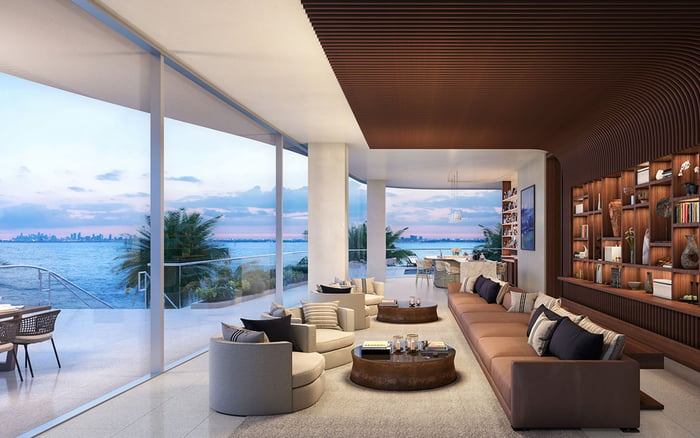
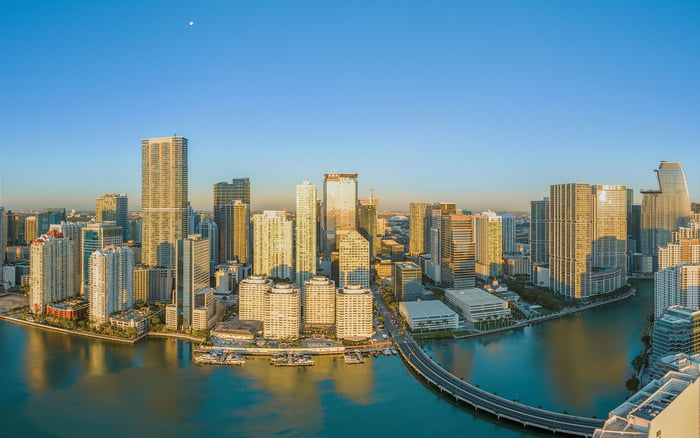
Compare the actual Biscayne Bay, port, ocean, skyline or interior outlook from each residence rather than assuming a fixed hierarchy of view premiums. Ask for comparable residence-level pricing before deciding how much of an asking price reflects the outlook. Consider clear sightlines alongside your preference for sunrise or sunset.
Those distinctions frame value, but they do not settle comfort. Check morning exposure in an east-facing residence and afternoon exposure in a west-facing one, noting any shading or obstructions. Orientation belongs beside the view description, not beneath it.
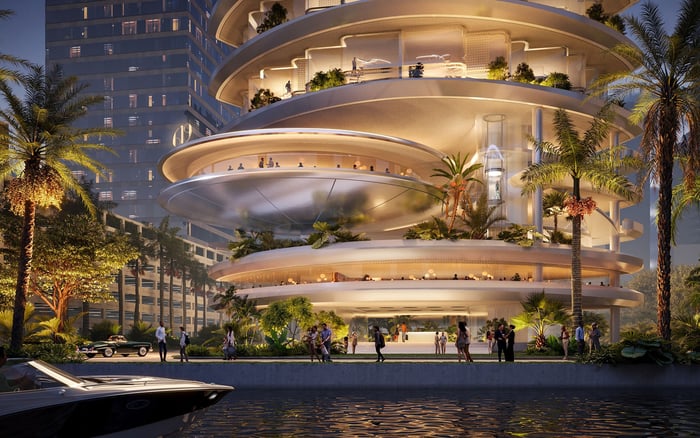
For a buyer considering Una Residences Brickell, the useful comparison is between specific residences and their documented orientations-not an assumed building-wide experience. Apply that discipline to every shortlist: inspect the outlook from the seating position, dining table and bedroom, not only from the balcony railing.
Ask whether you would still choose the line if its view category were removed from the listing. The answer helps distinguish a genuine lifestyle preference from a premium accepted without examination.
Orientation affects daylight and heat exposure, but compass direction alone is not a unit-level performance assessment. Do not assign a cooling-cost advantage, temperature difference or comfort ranking without documentation for the residence under consideration.
Arrange visits at different times, ideally including the hours you expect to spend at home. Record where direct light reaches, whether glare interrupts reading or screen use, and how comfortable the principal rooms feel. Note the thermostat setting and whether shades are open. These observations offer useful comparisons, not controlled measurements.
Request available glazing specifications, shading details, cooling-system information and maintenance history. Where thermal comfort is decisive, ask a qualified professional to evaluate the relevant documents and the residence. A striking glass elevation does not answer questions about solar performance.
When reviewing The Residences at 1428 Brickell, maintain that distinction between design appeal and verified performance. Ask for information specific to the exact line and floor, and identify which conclusions remain prospective rather than observed.
Treat wind pressure as an engineering question and outdoor comfort as a separate purchasing question. Neither a calm showing nor an appealing terrace photograph establishes the performance of the glazing, doors or balcony assembly.
Request the applicable design documentation and, where necessary, ask a qualified building-envelope professional to interpret it. Clarify which specifications apply to the residence and whether relevant inspection findings or unresolved concerns require attention. A sales description should not replace that review.
To assess everyday use, visit the outdoor space only when conditions are safe and access is permitted. Observe comfort where you would actually sit, and ask management about balcony-use guidance and furniture restrictions. Do not attempt informal pressure tests or deliberately expose yourself to severe weather.
Keep documented design criteria distinct from personal observations when making the purchase decision. Neither guarantees comfortable outdoor use throughout the year.
A balcony should earn its place in the purchase through the activities it supports. Decide whether its purpose is breakfast, reading, dining or simply stepping outside. Then test its actual dimensions against your intended furniture arrangement and the circulation you need.
Review access from the interior, door clearance, privacy and the relationship between seating and the view. Ask about permitted furnishings and restrictions on shades or other additions. A terrace that requires an unapproved alteration to suit you remains an unresolved question, not an assumed opportunity.
Have an appropriate inspector review visible conditions and any available drainage or repair documentation. Ask about water accumulation and previous complaints without assuming either is present. Photographs and a dry-weather visit cannot settle those questions.
Finally, compare outdoor space at the time of day you expect to use it. Morning coffee and sunset entertaining are different briefs. Choose for the habit you will keep, not the scene you might stage once.
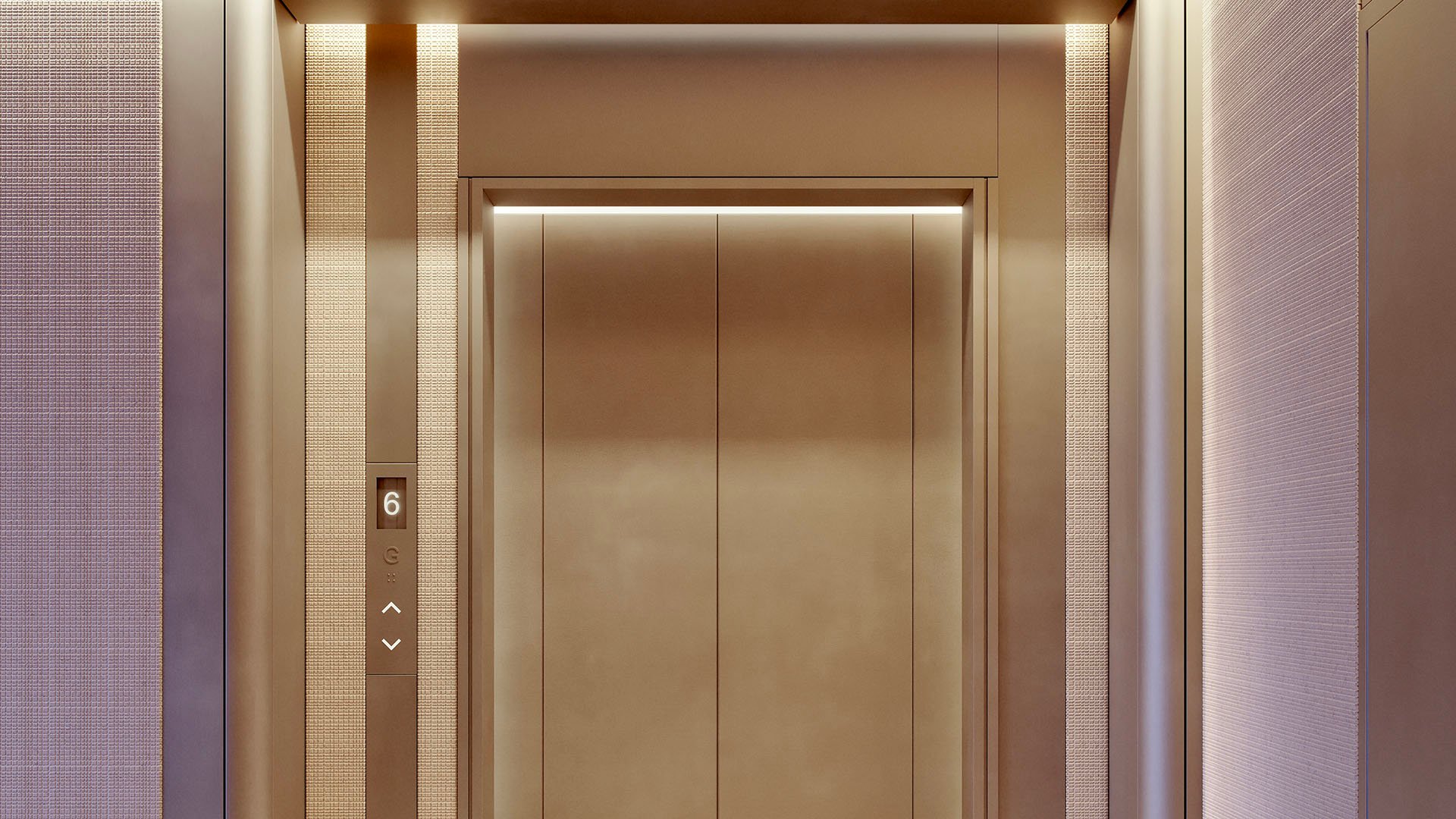
Private arrival is a meaningful spatial feature, but it does not establish that a residence has a dedicated elevator car, shorter waits or greater reliability. Confirm whether the arrival is shared, semi-private or private for the specific residence rather than relying on a building-wide description.
Review the floor plan to understand where the elevator opens and which spaces are shared. Keep that assessment of privacy separate from questions about current operating performance.
Whether considering Cipriani Residences Brickell or another address, map the proposed route from parking and lobby to the residence. Ask which bank serves the home, how guests and deliveries are handled, and what arrangements apply during maintenance or an outage.
For an operating building, request available service history and observe access during hours relevant to your routine. If mobility is a consideration, discuss access and emergency procedures before committing. Treat any units-per-elevator figure as a screening metric, never as a measured waiting time.
A resale visit allows direct observation; an unfinished residence requires greater emphasis on plans, specifications and written clarification. In either case, distinguish what you have seen from what has been promised. Older descriptions do not confirm 2026 operating conditions.
If 2200 Brickell is on your shortlist, apply the same residence-level checklist rather than importing assumptions from another property. Record the exact line, floor, orientation, outdoor-space requirements and elevator questions in one comparison sheet.
Before making an offer, identify which issues require professional review and which are matters of personal preference. Price the view separately from your assessment of comfort and convenience. The best selection is the residence whose advantages matter to you and whose unanswered questions have been resolved to your satisfaction.
For a discreet conversation about selecting your Brickell residence, connect with MILLION.
If branded residences are on your mind — as a home or as an allocation — we would be glad to share what we are seeing, privately.
Begin a quiet conversationStart with the exact floor plan, floor and compass orientation. Evaluate the view, heat exposure, outdoor usability and elevator access separately.
Compare the actual outlook and ask for comparable residence-level pricing rather than assuming a fixed view hierarchy. Decide whether the sightlines justify the premium for your daily life.
Check morning sun, shading and obstructions from the rooms and balcony you expect to use. Visit during your intended hours of use to assess personal comfort.
Observe afternoon exposure, glare and the actual outlook rather than relying on a sunset-view label. Compare comfort at the times you expect to be home.
No; request relevant glazing, shading and cooling-system information. Seek professional evaluation when thermal performance is central to the purchase.
No; a visit provides a personal comfort observation. Wind-pressure performance requires applicable documentation and qualified interpretation.
Compare its dimensions, access and permitted furnishings with your intended activities. Review visible conditions and available drainage or repair documentation with an appropriate inspector.
Not necessarily; private access describes the arrival arrangement. It does not establish dedicated cars, shorter waits or reliability.
Review the specific floor plan and confirm where the elevator opens and which spaces are shared. Distinguish that privacy assessment from operating performance.
Confirm the serving bank, guest and delivery routes, and maintenance or outage arrangements. For an operating building, request available service history and observe access at relevant times.