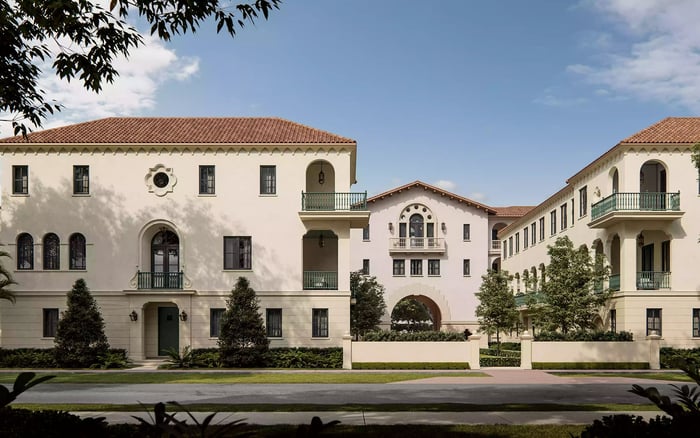
Coconut Grove and Coral Gables offer distinct waterfront choices, but buyer fit depends on frontage, elevation and ownership structure. A disciplined review of flood exposure, renovation constraints and insurance coverage matters more than neighborhood reputation.
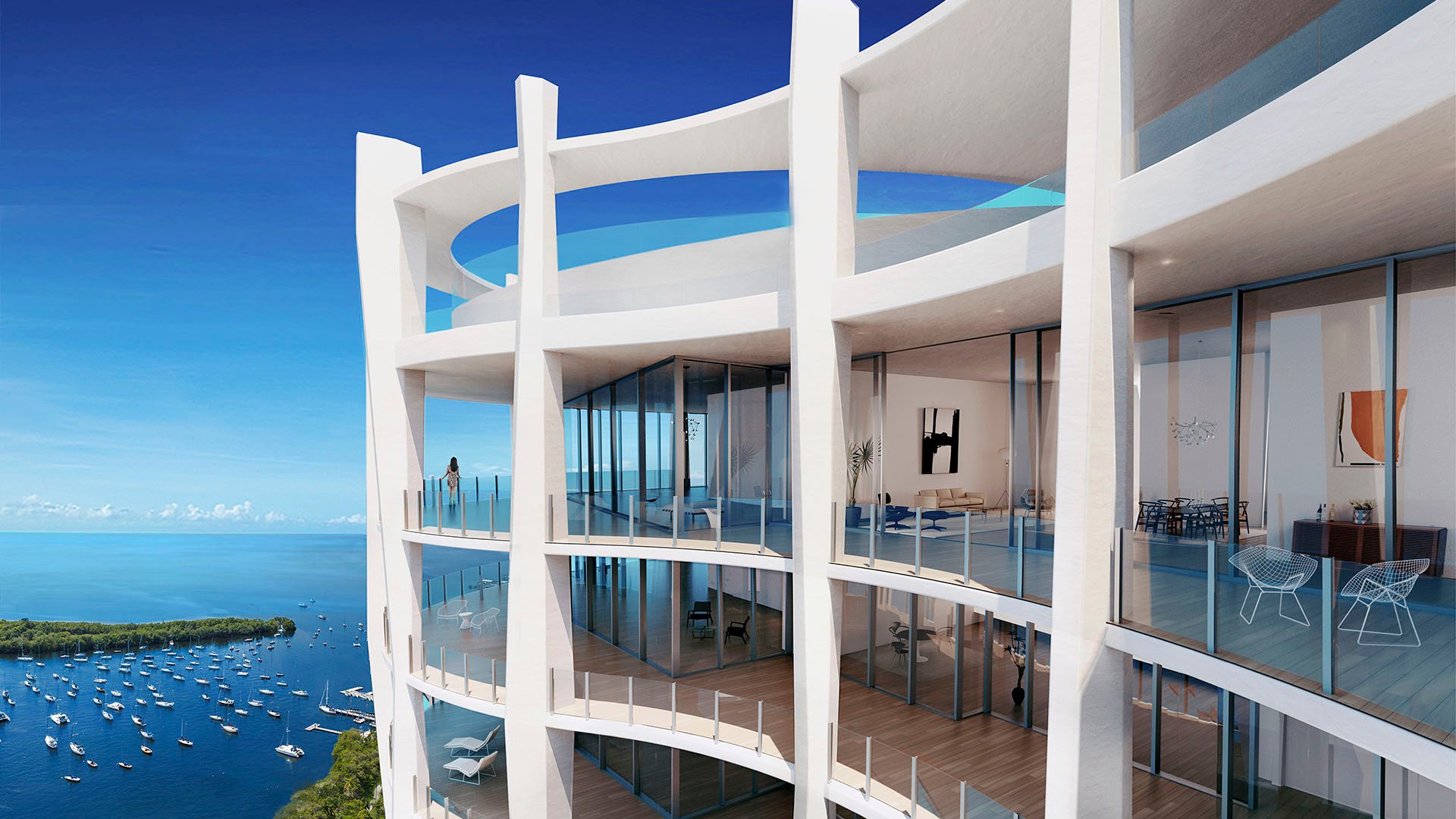
For a luxury buyer comparing Coconut Grove with Coral Gables, the most useful opening question is not which address is more prestigious. It is how directly the buyer wants to live with the water-and which ownership responsibilities come with that choice. Bay views, private frontage and a home within a waterfront neighborhood are distinct propositions.
Coconut Grove presents a bayfront-versus-interior decision, alongside the choice between a house and condominium ownership. Coral Gables brings bayfront and canal-front estates into focus, with the particular community central to the search. Neither name establishes a property's flood exposure or insurance cost. Frontage, elevation and ownership structure are more useful starting points than neighborhood reputation.
In Coconut Grove, interior blocks generally sit higher than immediate Biscayne Bay frontage. Elevation is therefore part of the lifestyle decision, not merely a technical item for the closing file. A buyer prioritizing views or dockage may accept a different diligence burden from someone who wants the neighborhood without immediate water frontage.
That distinction still requires parcel-level verification. Inland ridge properties and bayfront sites can carry different flood-zone designations, and remapping can alter boundaries. Some waterfront parcels fall within Zone VE, where wave-action exposure brings stricter construction and elevation standards than Zone AE. Neither designation should be assumed from a photograph or street description.
For a shortlist that includes Arbor Coconut Grove, apply the same address-specific questions rather than carrying over assumptions from another Grove property. Establish the current flood designation, review available elevation documentation and distinguish the location's appeal from the evidence needed to assess exposure.
The Grove may suit a buyer weighing immediate bay frontage against an interior address within the same neighborhood. The distinction is not simply waterfront versus non-waterfront, but what each property asks its owner to insure, maintain and potentially adapt.
Coral Gables' waterfront offering includes both bayfront and canal-front estates. Buyers should decide whether the priority is the setting itself, private frontage or a particular relationship to the water. These preferences define the search; they do not establish a flood-risk hierarchy between types of frontage.
Certain areas are especially susceptible to flooding from major rain events and storm surge. In Gables By The Sea, essential diligence includes the flood zone, elevation certificate and a current insurance quote. A canal-front address is not exempt from storm planning merely because it does not face the open bay.
For buyers also considering Ponce Park Coral Gables, first clarify whether waterfront ownership is essential to the brief. Evaluate a neighborhood preference separately from a requirement for private water frontage. Neither a project name nor its presentation resolves the insurance questions.
Bayfront and canal-front estates can carry higher flood premiums than interior properties. Treat that as a reason to obtain comparable quotes, not as a reliable premium forecast. The best fit is the property whose water setting and documented ownership obligations align with the buyer's priorities.
A waterfront house intended for substantial renovation requires more than a design allowance. Before setting the budget, investigate elevation requirements, possible seawall upgrades and flood-related permitting constraints. A compelling architectural opportunity can carry obligations that materially change the scope of work.
Storm planning should address both heavy rainfall and surge. County flood criteria and city guidance belong in the same diligence review; they are not competing systems from which a buyer can choose. In Coral Gables, flood-management guidance addresses mitigation, elevation and drainage. Confirm the requirements that apply to the parcel and proposed work.
Ask the design and engineering team to distinguish existing conditions from requirements a renovation could trigger. Keep that review separate from the insurance quote, then consider the two together. A quoted premium does not establish that a proposed redesign is permissible, and a renovation concept does not establish insurability.
Standard homeowners insurance excludes flood damage. Buyers therefore need to evaluate separate National Flood Insurance Program, or NFIP, coverage or private flood coverage. For a property in a Special Flood Hazard Area, flood insurance is required when the mortgage is federally backed. This shared rule is not an advantage or disadvantage unique to either neighborhood.
Zone X does not mean zero flood risk. Even where the federal mortgage-related requirement does not apply, coverage deserves consideration. Risk Rating 2.0 evaluates property-specific factors-including flood frequency, flood type, distance to water, elevation and rebuilding cost-rather than relying on the zone label alone.
Coral Gables participates in the NFIP, making coverage available for structures throughout the city, including outside Special Flood Hazard Areas. Building and contents coverage are available, but buyers should examine them separately. The NFIP single-family building-coverage maximum of $250,000 is particularly consequential when evaluating protection for a luxury residence.
Ask an insurance adviser to compare limits, deductibles and exclusions against the property's rebuilding needs and contents. Where appropriate, evaluate private or supplemental protection. Neither the purchase price nor the neighborhood's reputation substitutes for an address-specific coverage analysis.
A Grove condominium may have flood coverage arranged through a Residential Condominium Building Association Policy, or RCBAP. That calls for a different review from an individually insured waterfront house. It does not justify assuming that all unit-owner losses are covered or every lender requirement is satisfied.
When considering Park Grove Coconut Grove, request the applicable association insurance documents rather than presuming a particular policy is in place. Have an adviser examine how building coverage interacts with the proposed unit-owner policy and financing requirements. The task is to understand the division of coverage, not simply confirm that an association carries insurance.
Before committing, assemble the same core file for each finalist: current flood mapping, available elevation documentation, a review of proposed renovation constraints and written insurance terms. For a condominium, add association policy documents. A consistent review makes the comparison useful.
The choice is ultimately between specific properties, not two generalized risk profiles. Coconut Grove's bayfront-versus-interior trade-off and Coral Gables' bayfront and canal-front estate options serve different preferences. Neither supports a blanket promise of greater safety or lower premiums. Choose the setting that earns its place in the buyer's life, with the obligations understood before closing.
For a discreet conversation about aligning your South Florida property search with these priorities, connect with MILLION.
If branded residences are on your mind — as a home or as an allocation — we would be glad to share what we are seeing, privately.
Begin a quiet conversationNeither neighborhood supports a blanket safety ranking. Flood exposure depends on the specific parcel, including its elevation, frontage and flood designation.
Interior blocks generally sit higher than immediate Biscayne Bay frontage. Buyers should still verify elevation and flood-zone information for each property.
Coral Gables includes bayfront and canal-front estates. The specific community and property conditions should guide both lifestyle selection and storm diligence.
Review the property's flood zone, elevation certificate and a current insurance quote. Heavy-rain and storm-surge exposure both deserve attention.
Some waterfront parcels carry Zone VE designations, which involve wave-action risk. These areas have stricter construction and elevation standards than Zone AE.
No, Zone X does not mean zero flood risk. Coverage may still be appropriate even when the federal mortgage-related insurance requirement does not apply.
Standard homeowners insurance excludes flood damage. Buyers should evaluate separate NFIP or private flood coverage.
Flood insurance is required for a federally backed mortgage on a property in a Special Flood Hazard Area. That rule applies across both locations.
The NFIP single-family building-coverage maximum is $250,000. Buyers should compare that limit with rebuilding needs and evaluate additional protection with an insurance adviser.
An association policy should not be assumed to cover every unit-owner loss or satisfy every lender requirement. Review the actual association documents alongside unit-owner coverage and financing requirements.