Frida Kahlo Wynwood Residences pairs an unusually visible cultural identity with turnkey interiors, offices and rental flexibility. For buyers, however, the decisive questions concern the condominium budget, reserves, operating contracts and path to owner control, none of which is fully explained in the reviewed public-facing material.
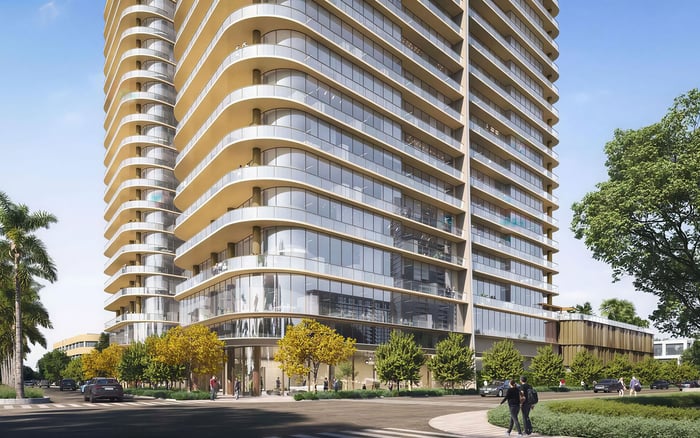
Planned for 119 NW 29th Street, Frida Kahlo Wynwood Residences is conceived as a highly recognizable addition to the Wynwood Arts District. Licensed by the Frida Kahlo Corporation and positioned as the world's first Frida Kahlo-branded residential project, it brings together art, furnished residences, flexible use and a live-work component under one unusually visible identity.
PMG and LNDMRK Development are co-developing the project. The plan comprises two buildings of approximately eight and 14 stories, with 244 residences spanning studios, three-bedroom homes and penthouses. Residence sizes range from approximately 400 to 1,170 square feet. Sales launched in January 2026.
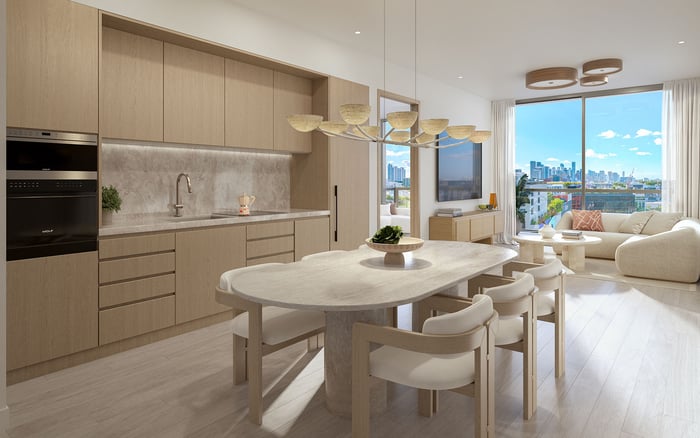
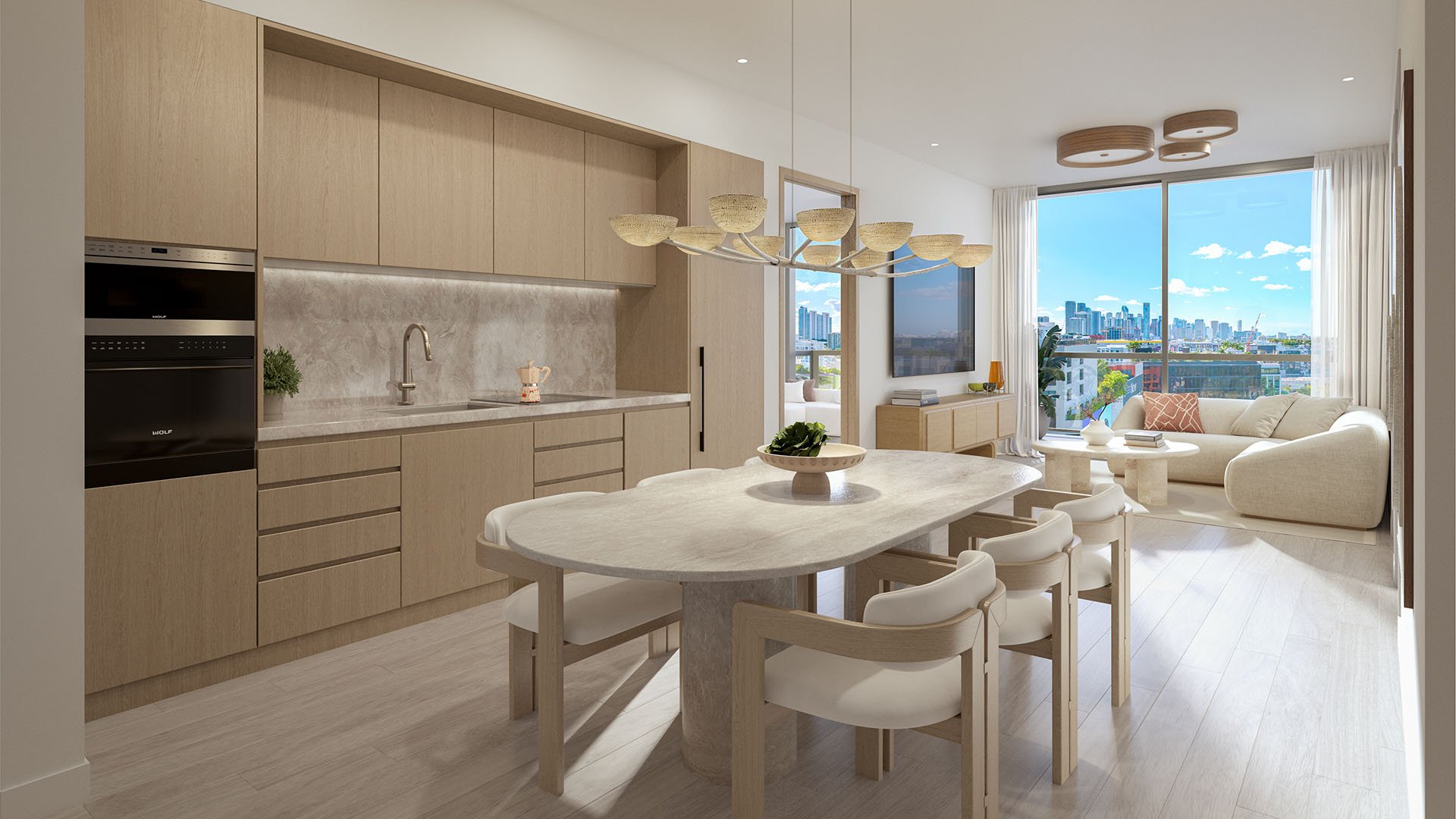
The aesthetic proposition is highly detailed. Carlos Ott leads the architecture with CUBE3, while Cotofana Designs is handling the interiors. A sculptural façade, prominent Kahlo imagery and an art program tied to the licensing corporation anchor the concept. Fully finished and furnished residences reinforce the appeal for buyers seeking turnkey ownership.
A trophy finish can create desire, but transparent governance protects ownership.
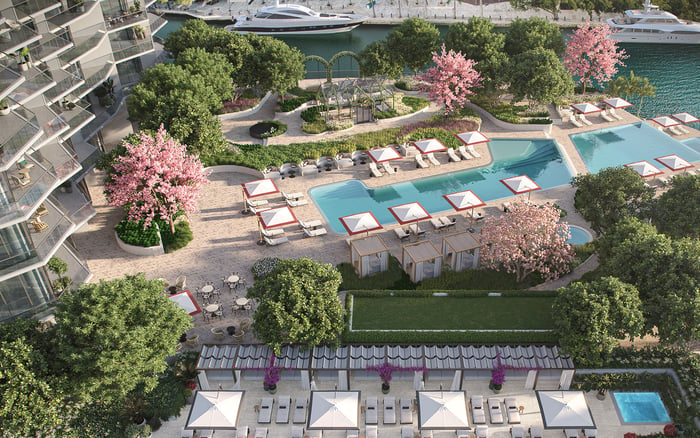
The project's appeal also introduces complexity. Approximately 206 residences are expected to include deeded or reserved office suites of about 71 to 170 square feet. Short-term-rental flexibility is a defining feature, while the amenity program includes resort-style elements, a pool, art-centered common areas and a Baker Health clinic or wellness concept.
This is not merely an amenity conversation. It is an operating-model conversation. Short-term rentals can require guest screening, access control, cleaning protocols, security coverage and management of frequent elevator and common-area use. Office suites add a live-work dimension. Art, branded façade elements and wellness spaces may demand specialized maintenance, insurance and replacement planning.
Each feature can be valuable. The essential question is whether its recurring and long-term costs are accurately reflected in the proposed association budget. An attractive initial assessment is not inherently superior if it excludes realistic staffing, service contracts, insurance assumptions or reserve contributions.
The same scrutiny applies when comparing art-led or branded offerings elsewhere in Miami, whether Miami Tropic Residences, Kempinski Residences Miami Design District or 888 Brickell by Dolce & Gabbana. Branding may shape design and service expectations, but each condominium must ultimately be evaluated through its own documents, contracts and financial assumptions.
The reviewed public-facing project material devotes considerable attention to architecture, furnishings, amenities, cultural branding and rental flexibility. It does not provide a detailed condominium operating budget, project-specific reserve schedule, initial reserve-funding assumptions or projected monthly association assessments.
The available material also does not explain the planned developer-to-owner board turnover schedule, board composition, declarant rights or owners' ability to replace management agreements. This is an information gap, not evidence that the condominium is deficient or underfunded. Pre-construction marketing and condominium disclosure packages serve different purposes; the latter should form the basis of a buyer's legal and financial review.
That distinction matters particularly across the categories surrounding this project: Wynwood, branded residences, pre-construction, new construction, short-term rentals and investment. Each label can attract a different ownership profile. Their intersection can create a vibrant building, but it can also produce competing expectations around privacy, guest access, rental activity, service intensity and assessment levels.
A sophisticated review should begin with the declaration, proposed operating budget and reserve schedule. Buyers should determine which building components are expected to be reserved for, which useful-life and replacement-cost assumptions are being used, and whether reserves are intended to be fully funded from turnover. Any contemplated early waiver or reduction should be identified and evaluated with counsel.
The management agreement warrants separate attention. Its duration, fee structure, performance obligations, renewal mechanics and termination rights can affect both service and owner autonomy. The same analysis should extend to agreements involving a rental operator, wellness provider, developer affiliate or brand. Buyers should understand which agreements survive turnover and what authority a future owner-controlled board has to renegotiate or replace them.
Insurance assumptions should encompass the complete physical and programmatic concept. Responsibility for the sculptural façade, licensed imagery, curated art and wellness facilities should be explicit. The documents should identify whether maintenance and replacement fall to the association, an operator, a commercial component or another party, together with the relevant insurance obligations.
Finally, obtain the complete rental rules rather than relying on broad flexibility language. Confirm minimum-stay requirements, registration procedures, guest access, operator obligations and the allocation of cleaning, security and administrative costs. Deeded or reserved office suites should likewise be traced through the declaration, budget and use restrictions so that ownership and expenses are clear.
Pricing has ranged from roughly $500,000 to $1.6 million, while separate early sales material placed entry pricing near $685,000. Those figures may reflect different residence types or release phases. They should not be treated as interchangeable without a current price sheet identifying the exact residence, office component, furnishings and other included rights.
Completion expectations also differ, with both 2028 and 2029 cited. Buyers should rely on the operative purchase agreement for timing provisions, extension rights, deposit structure and remedies, reviewed by qualified counsel. The approximately one-acre development site was acquired in 2023 for about $20 million, but land cost does not answer the association-level questions that will shape the owner's experience after delivery.
Frida Kahlo Wynwood Residences presents a compelling visual narrative and a flexible ownership proposition in one of Miami's most culturally distinctive districts. Its furnishings, art program, office suites and rental potential may suit buyers who value immediacy, identity and optionality.
Yet luxury ownership is sustained by less photogenic disciplines: realistic budgets, adequately considered reserves, clear cost allocation, durable insurance planning and governance capable of transitioning effectively from developer control. The right diligence does not diminish the design story. It establishes whether the financial and institutional structure can preserve it.
For discreet guidance on evaluating South Florida's most distinctive residences, connect with MILLION.
If branded residences are on your mind — as a home or as an allocation — we would be glad to share what we are seeing, privately.
Begin a quiet conversationThe pre-construction condominium is planned for 119 NW 29th Street in Miami's Wynwood Arts District.
The two-building development is planned to contain 244 residences across structures of approximately eight and 14 stories.
The inventory is expected to range from studios through three-bedroom residences, including penthouses, at approximately 400 to 1,170 square feet.
The homes are marketed for turnkey delivery with fully finished and furnished interiors.
Approximately 206 residences are expected to include deeded or reserved office suites measuring about 71 to 170 square feet.
Short-term-rental flexibility is promoted as a central feature, but buyers should review the complete rules, costs and operating requirements.
The reviewed public-facing material does not publish a detailed operating budget or projected monthly association assessments.
The reviewed public material does not disclose a project-specific reserve schedule or initial reserve-funding assumptions.
Buyers should review board turnover, declarant rights, board composition and the owners' authority to replace or terminate management agreements.
Public completion expectations differ between 2028 and 2029, so buyers should verify timing and extension provisions in the operative contract.